
Vandaag of morgen in huis

Kwaliteit gegarandeerd

Welkomstaanbiedingen ontgrendelen: GRATIS bezorging | Tot 80% korting | Gratis 30 dagen JoyPlus-proefperiode
Download de app
A bottle of Asian sauce may seem like a quick choice, but the difference between light soy sauce, dark soy sauce, fish sauce, chilli sauce and plum sauce can determine how a dish turns out. Many home cooks choose based on eye-catching labelling, only to discover during cooking that the sauce is too salty, too sweet or unsuitable for the recipe.
This guide compares Asian sauces by ingredients, uses, allergens, volume and ease of use. That makes it easier to choose the right umami seasoning for stir-fries, noodles, rice, marinades and dips.
Words such as “premium”, “traditional” or “authentic” do not automatically indicate what a sauce tastes like or what it is suitable for. Check the ingredients list and directions for use first. For example, a soy sauce containing wheat has a different allergen profile from wheat-free tamari.
Terms such as “0% additives” should also be read in context. Check what is actually stated on the label. For example, the product information for Haday 0% Additives Mushroom-Flavored Soy Sauce lists water, soybeans, wheat, salt, sugar and mushroom extract as ingredients. According to the product description, no preservatives, colourings or flavour enhancers have been added. Always check the current packaging when purchasing.
A 1.75 or 1.9-litre bottle can be appealing for families, restaurants or frequent users. For someone who only cooks Chinese or Korean food occasionally, a smaller bottle may be more practical. After opening, product descriptions often recommend sealing the sauce properly and storing it in the fridge.
Pay attention to the amount you use, too. Soy sauce and fish sauce naturally contain a lot of salt. For example, Squid Fish Sauce lists 25.2 grams of sodium per 100 ml, while various soy sauces contain around 14 to 17 grams of salt per 100 ml. Use small amounts and taste before adding extra salt.
Light soy sauce is generally intended for dips, cold dishes, stir-fries and marinades. Dark soy sauce is more often used to add colour and a fuller flavour to stews or braised dishes. Plum sauce goes well with spring rolls and roasted meat, while fish sauce is widely used in South-East Asian soups, dressings and dips.
Mushroom sauce or chilli oil can be used as a base for noodles or rice, but may contain additional allergens such as sesame, peanuts or wheat. Choose your sauce to suit both the recipe and any ingredients you want to avoid.
Always check whether the sauce contains soya, wheat, gluten, fish, peanuts, nuts or sesame. According to the product information, Haday Golden Label Light Soy Sauce contains soybeans and wheat. Kikkoman Tamari Gluten Free Soy Sauce lists water, soybeans, salt and spirit vinegar, and identifies soya as an allergen. For people with a food allergy or intolerance, it remains important to check the label and any cross-contamination information.
A product labelled “gluten-free” is not automatically suitable for every allergy. Check the official packaging and the current allergen information.
Use this simple guide:
The product description for Squid Fish Sauce lists 77% anchovies, salt and sugar. This makes it suitable for uses different from those of a soy sauce containing wheat and soybeans. Add it a few drops at a time as an umami seasoning.
A 250–500 ml bottle is convenient for a first purchase or occasional use. Sizes from 725 ml to 1.9 litres are better suited to households that cook Asian food several times a week. Compare not only the price per bottle, but also the volume and shelf life.
Store unopened sauces in a cool, dry place according to the packaging instructions. Seal opened bottles tightly. Several of the products mentioned recommend refrigeration after opening.
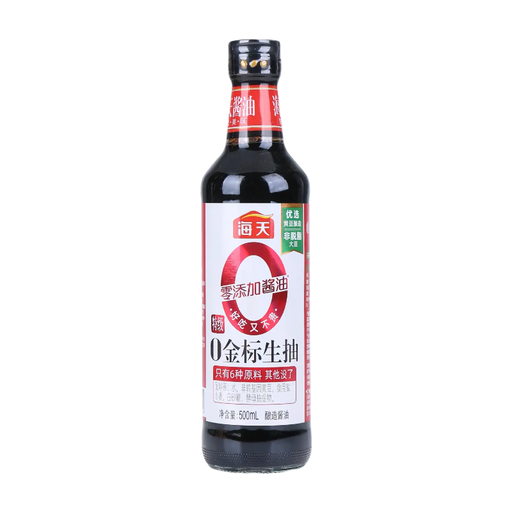
Why it suits this profile: The 500 ml bottle is manageable for everyday cooking, without committing to a large bulk size straight away. According to the product information, this light soy sauce is suitable for dips, cold salads, steaming and stir-frying.
The product information lists six ingredients and no added preservatives. The presence of soya and wheat is clearly stated.
500 ml; light sauce; suitable for cold and hot dishes; 15.6 g of salt per 100 ml according to the product information.
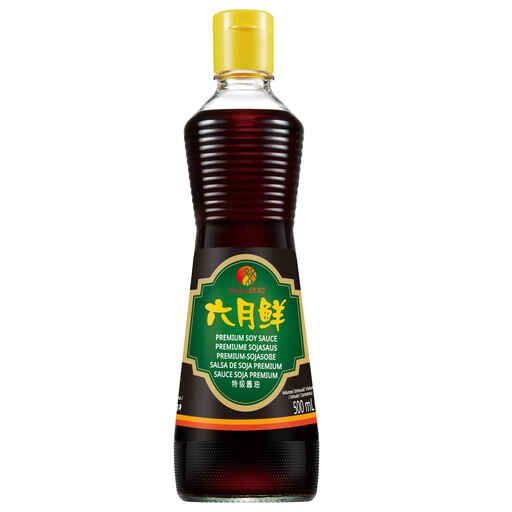
Why it suits this profile: According to the product information, this brewed soy sauce is suitable for dipping, cold salads, marinades, stewing and stir-frying. That makes it a good choice for cooks looking for one versatile bottle.
The ingredients and allergens are listed: soya and wheat. This makes it easier to match the sauce to your diet and recipe.
500 ml; clear colour; versatile; 15.5 g of salt per 100 ml according to the product information.
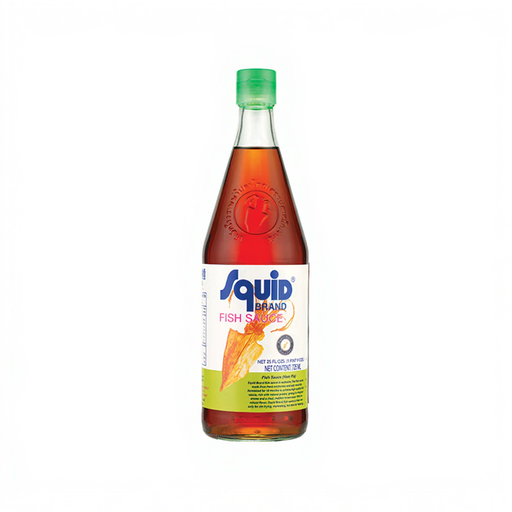
Why it suits this profile: The 725 ml size is suitable for anyone who often prepares South-East Asian dishes or needs a larger bottle for marinades, soups, dressings and dips.
The product information specifies 77% anchovies and lists fish as an allergen. This makes it clear that it is not a neutral vegetarian seasoning.
725 ml; three main ingredients according to the product information; suitable for marinades, stir-fries, soups and dips.
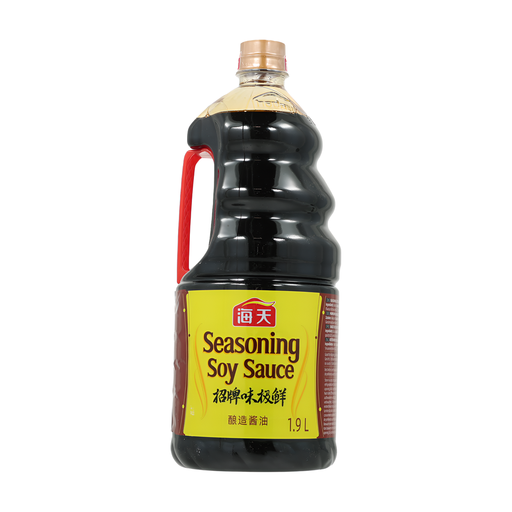
Why it suits this profile: The 1.9-litre size is aimed at households, bulk users and professional kitchens. The product information recommends it for dipping, cold dishes, braising and stir-frying.
The product information explicitly lists sweeteners, flavour enhancers, a preservative, soya and wheat. This helps prevent false expectations when choosing a simple sauce.
1.9 litres; suitable for frequent use; 7.43 g of salt per 100 ml according to the product information.
We have put together a complete, up-to-date list of products that fully meet these strict selection criteria and the applicable European safety regulations.
For everyday stir-fries, light soy sauce is usually the practical choice. It adds salt and umami without making the dish noticeably darker. For a deep colour in stews or braised dishes, dark soy sauce is a better option. Always check the amount you use, as salt levels vary by brand.
Look for an explicit gluten-free statement and the allergen information on the packaging. According to the product information, Kikkoman Tamari Gluten Free Soy Sauce 250 ml contains soybeans, water, salt and spirit vinegar, and identifies soya as an allergen. Always check the current label and information about possible cross-contamination before use.
This varies from product to product. Keep the bottle tightly sealed and follow the instructions on the packaging. Several soy sauces and seasonings recommend refrigeration after opening. Use a clean spoon with thick mushroom sauce, chilli oil or plum sauce, and look out for changes in smell, colour or texture.
