
Vandaag of morgen in huis

Kwaliteit gegarandeerd

Welkomstaanbiedingen ontgrendelen: GRATIS bezorging | Tot 80% korting | Gratis 30 dagen JoyPlus-proefperiode
Download de app
A bottle of Asian sauce might seem like an easy choice, but flavours, ingredients and uses can vary considerably. A sweet Asian sauce can be delicious with nasi, but may quickly overpower a stir-fry. Terms such as “authentic”, “natural” and “no added ingredients” are not always used in the same way, either.
For home cooks in the Netherlands, three pitfalls are particularly worth watching out for:
For a quick meal with vegetables, meat, fish or tofu, stir-fry sauces are a practical choice. They often combine several elements of flavour, such as sweet, salty, sour and umami, so you won’t need to add as many separate Asian cooking ingredients.
A sauce for nasi and bami doesn’t necessarily have the same flavour profile as one for stir-fries. Think about the balance of sweet, salty, spicy and savoury flavours you’re after.
Don’t just look at the front of the pack. Compare the ingredients list, sugar and salt content, and any preservatives. Go-Tan sauces, for example, clearly list the ingredients and allergens for each product.
Go-Tan Wok Sesame Ketchup - 240ml lists ingredients including ketjap, oyster sauce, sesame oil, rice vinegar, garlic and red chilli. According to the product information, the sauce contains 15 grams of sugar and 3.7 grams of salt per 100 ml. The packaging also lists soya, cereals containing gluten, wheat, sesame and molluscs as allergens.
According to the product information, Go-Tan Original Chili Sauce - 500 ml contains 3.2% red chilli and has a sweet and spicy flavour. The label lists 41 grams of sugar per 100 ml. This makes it a good choice if you’re looking for a sweet chilli sauce, but less suitable if you’re expecting a distinctly savoury or very hot sauce.
A large bottle is only good value if you use the sauce regularly. If you only cook with it occasionally, a smaller bottle can help reduce waste. Check the recommended amount to use, too. For example, Go-Tan Wok Sesame Ketchup recommends 80 ml of sauce for two portions, along with 200 grams of meat or fish and 400 grams of vegetables. This makes it easier to estimate how many meals you can prepare from one bottle.
Store opened sauces according to the label. Many products need to be tightly sealed and kept in a cool, dry place. Check the packaging for the exact shelf life and storage instructions after opening. Don’t use damaged packaging.
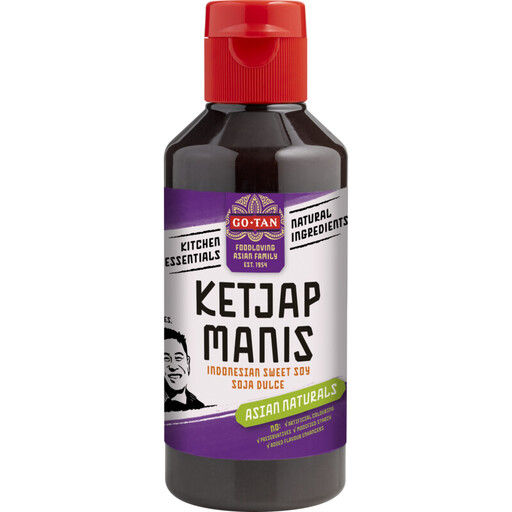
Why it suits this profile: An approachable staple for nasi, bami, satay and simple marinades. The 270 ml bottle is a manageable size if you’re looking to explore Asian cooking one step at a time.
Its uses are clearly described and wide-ranging. Before ordering, check that you like the sweet flavour and take a look at the stated sugar and salt content.
Described in the product information as a sweet Indonesian ketjap manis; contains soya, wheat and cereals containing gluten.
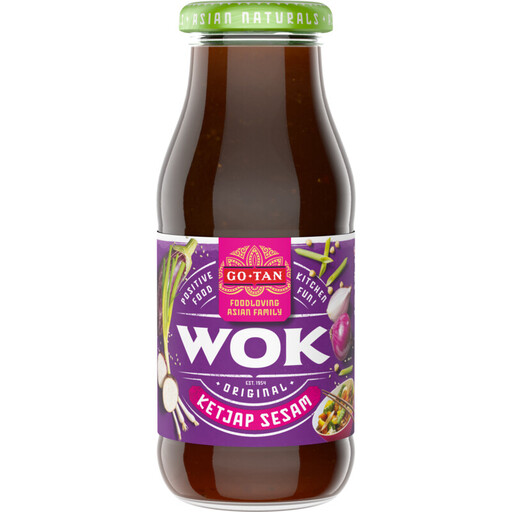
Why it suits this profile: A good fit for cooks looking for a sesame stir-fry sauce with a blend of flavours, for a quick meal with vegetables, meat or fish.
The recommended amount and cooking time are listed. The ingredients list makes it clear that the sauce contains soya, sesame and oyster, among other ingredients.
According to the product information, it’s ready to use in stir-fries, dressings and marinades; contains sesame oil, ketjap and oyster sauce.
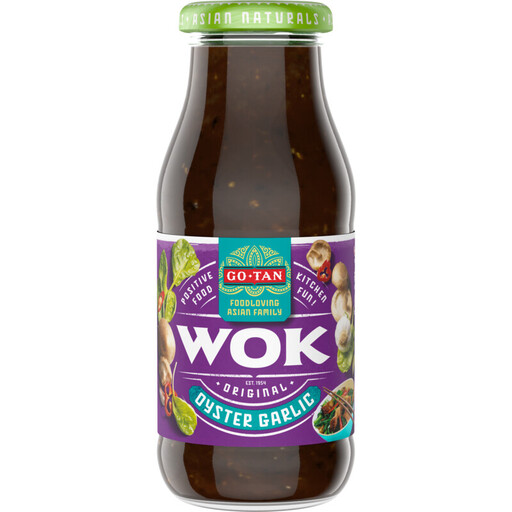
Why it suits this profile: For anyone who often cooks with a wok and wants a savoury garlic sauce for vegetables, noodles, meat or fish.
Its flavour is clearly described as an oyster and garlic stir-fry sauce. Check the allergens before you buy: soya, wheat and oyster extract are listed.
According to the product information, it’s suitable for quick stir-frying; contains 0.60% garlic and has 4.5 grams of salt per 100 ml.
We’ve put together a complete, up-to-date list of products that meet these strict selection criteria and the applicable European safety regulations.
Ketjap manis is a natural choice if you want to give nasi a sweet, dark and savoury flavour. Add the sauce gradually, as sugar and salt levels vary between brands. For extra heat, add a small amount of chilli sauce.
Cook the vegetables and any protein first. Then add the stir-fry sauce and stir everything together briefly over a medium heat. Follow the recommended amount on the label. If the sauce is thick, a little water can help coat everything evenly.
It varies by product. Store the bottle according to the instructions on the label, seal it tightly and check the smell, colour and consistency before use. Follow the use-by date and any after-opening guidance on the packaging.
