
Vandaag of morgen in huis

Kwaliteit gegarandeerd

Welkomstaanbiedingen ontgrendelen: GRATIS bezorging | Tot 80% korting | Gratis 30 dagen JoyPlus-proefperiode
Download de app
Buying a bottle of Asian sauces seems straightforward – until you’re in the supermarket or shopping online and have to choose between sweet chilli sauce, oyster sauce, fish sauce, soy sauce, satay sauce and stir-fry sauce. Products can vary hugely in flavour, salt content, size and allergens. What’s more, a large pack isn’t automatically better value if you only use the sauce occasionally.
For Dutch home cooks, vegetarians, vegans and professional kitchens, three pitfalls are particularly important:
Choose the sauce based on the dish:
Ingredients are listed in descending order by quantity. If sugar is near the top, the sauce is probably mostly sweet. For Healthy Boy Thick Oyster Sauce, the stated composition includes water, 20% oyster extract, sugar and salt. The sauce also contains the allergen oyster.
For anyone with an allergy or dietary requirement, the EU allergen overview is a practical starting point. Products explicitly labelled “contains none of the 14 major EU allergens” include Go-Tan Original Chili Sauce, Inproba Sweet Chilli Sauce and Sunlee Sweet Chilli Sauce. Always check the current packaging, as recipes can change.
Choosing vegan requires extra attention. A sauce may appear vegetarian but still contain fish sauce, oyster sauce or shrimp paste. The Sunlee Thai Panang Curry Paste is described in the product information as 100% vegan, whereas the Haidilao Tom Yum base contains fish and shellfish.
A 300 ml bottle is usually fine for occasional home use. For a family that stir-fries often, 600 to 970 grams may be more practical. Professional kitchens and heavy users can look at 4.5 litres, but bear in mind:
Always compare the contents, not just the price of the bottle. A large pack is only worthwhile if you use the same flavour regularly.
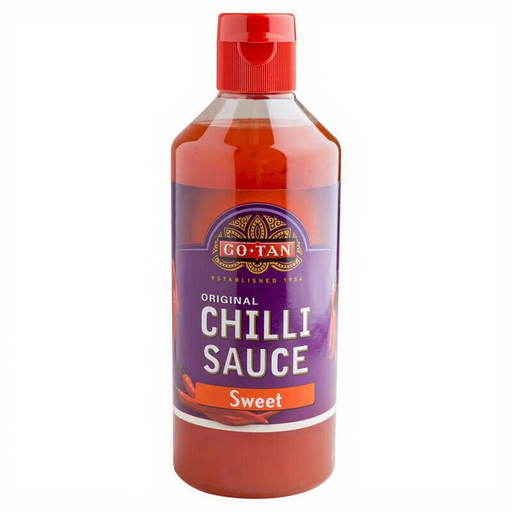
Why this fits the profile: A versatile bottle for anyone wanting to start with just one sauce. According to the product information, it is mildly sweet and spicy, without garlic, and can be used as a table sauce or during cooking.
The use and ingredients are clearly stated. The product information mentions none of the 14 major EU allergens.
500 ml content; a smooth sauce without coarse peppercorns; 3.2% red chilli according to the ingredients list.
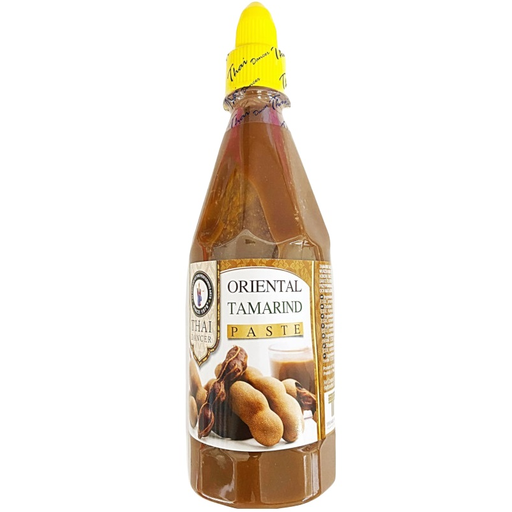
Why this fits the profile: Ideal for home cooks who want to control the balance of sour, sweet and savoury themselves in curries, marinades, dips and Pad Thai sauce.
It is not a ready-made sauce with a hidden flavour balance, but tamarind pulp and water. You control the dosage yourself.
435 ml content; according to the product information, made with tamarind pulp and free from the 14 major EU allergens.
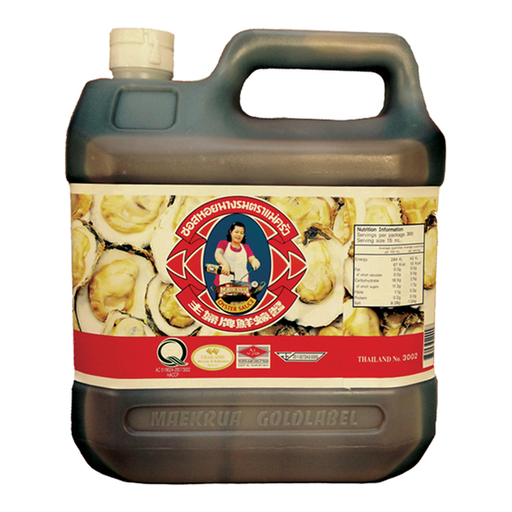
Why this fits the profile: Aimed at restaurants, catering, large families and kitchens that regularly prepare stir-fries, marinades and dips.
The large pack avoids lots of small bottles with heavy use, but is only sensible if you have sufficient consumption and storage space.
4.5 litre content; oyster extract and soy sauce in the ingredients; suitable for cooking, marinating and dipping.
We have compiled a full, up-to-date list of products that fully meet these strict selection criteria and current European safety regulations.
Soy sauce is usually a salty, liquid seasoning based on soya and often wheat. Stir-fry sauce is a broader category and often contains multiple ingredients, such as sugar, garlic, vinegar, soya or spices. Check the label if you want to build the flavour yourself or limit salt and sugar.
This varies by product. Oyster sauce, fish sauce and some Thai curry pastes contain animal ingredients. The Sunlee Thai Panang Curry Paste is described in the product information as vegan. Also check the current packaging and look out for warnings such as “may contain”.
Always follow the instructions on the label. Many products should be stored in a cool, dry place away from direct sunlight. Close the bottle or jar tightly to prevent contamination and loss of quality. For a product like Hela Curry Sauce, it states that it must be refrigerated after opening. So check the storage instructions for each sauce.
