
Vandaag of morgen in huis

Kwaliteit gegarandeerd

Welkomstaanbiedingen ontgrendelen: GRATIS bezorging | Tot 80% korting | Gratis 30 dagen JoyPlus-proefperiode
Download de app
A bottle of oyster sauce, a jar of boemboe or a sushi seasoning might seem like a quick choice. Yet Asian sauces and seasonings vary widely in ingredients, salt content, packaging and usage. If you only go by an attractive label or a low price, you could end up with a product that doesn’t suit a vegetarian diet, is too large for home use, or overpowers a dish.
This guide helps home cooks, vegetarians, busy shoppers and catering professionals compare with confidence. Here you’ll find key points to consider for oyster sauce, stir-fry sauce, sushi vinegar, satay sauce, hoisin sauce, tamarind paste, Indonesian boemboe and other liquid seasonings.
“Vegetarian oyster sauce” usually contains no oysters, but that doesn’t automatically mean it’s free from all allergens. Lee Kum Kee Mushroom Vegetarian Stir Fry Sauce, for example, contains soya and wheat. Sugar, salt, flavour enhancers or thickeners may also be part of the recipe.
So always check:
With regular oyster sauce, the difference is even greater. HaDay Superior Taste Oyster Sauce states 1% oyster extract, while Maekrua Oyster Sauce states 30% oyster extract. Both are sold as oyster sauce, but their composition and flavour intensity are not the same.
A 4.5-litre bottle might be appealing for a restaurant, catering business or large family. For occasional use, however, such a pack can be impractical. Once opened, the product often needs to be refrigerated or stored tightly sealed as per the instructions. A smaller pack that you use up completely helps avoid waste.
Pay attention to the difference between:
A 200ml bottle of soya sauce or eel sauce, for instance, suits a household that makes sushi, rice bowls or grilled meat every now and then. A catering professional, on the other hand, may benefit from a bulk pack, provided their usage is predictable.
A stir-fry sauce can be added straight to vegetables and noodles, whereas sushi vinegar is meant to season rice. Tamarind paste works as a sour, fruity accent in curries, marinades or dips. An Indonesian boemboe is more of a base for a dish than a sauce to serve directly.
So read the usage instructions. That way, you won’t accidentally use a sweet eel sauce as a general soya sauce, or mix a cumin dip sauce in large quantities through a wok dish.
First, choose the dish you need the seasoning for:
Vegetarians and vegans shouldn’t just look at the front label. Check whether the product contains oyster extract, milk, peanut, fish or other animal-derived ingredients. The Mushroom Vegetarian Stir Fry Sauce lists a vegan composition on the product information, but also soya and wheat. Ashoka Ginger Garlic Paste, on the other hand, states none of the 14 main EU allergens and is described in the product information as suitable for vegetarian and vegan diets.
For catering, clear allergen control is especially important. Keep labels and check the current packaging before serving a dish to customers.
Asian sauces can differ greatly from one product to another. Lee Kum Kee Panda Oyster Sauce states 29.5g of salt per 100g, while HaDay Superior Taste Oyster Sauce states 9.5g. Mizkan Sushi Seasoning contains 47g of sugar per 100g according to the nutritional information provided. That doesn’t make these products unsuitable, but it does mean you should use them in measured amounts.
A practical approach:
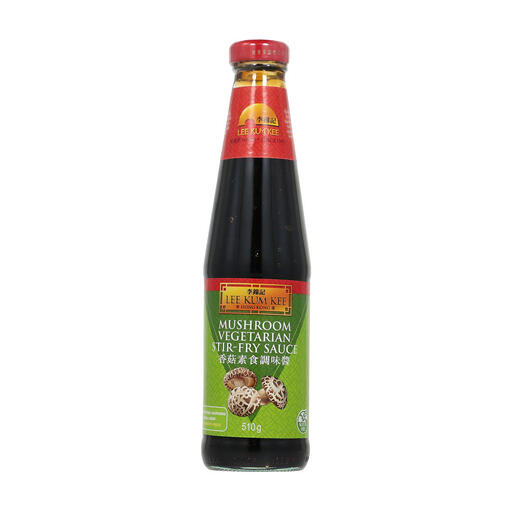
Why this fits the profile: A versatile vegan seasoning for stir-fries, tofu, vegetables and noodles, without needing to buy several sauces at once.
The product information clearly states a vegan base and a content of 510g. Do check for soya, wheat and the high salt content of 11.1g per 100g.
510g; suitable for stir-frying, braising, dipping and seasoning tofu, vegetables and noodles.
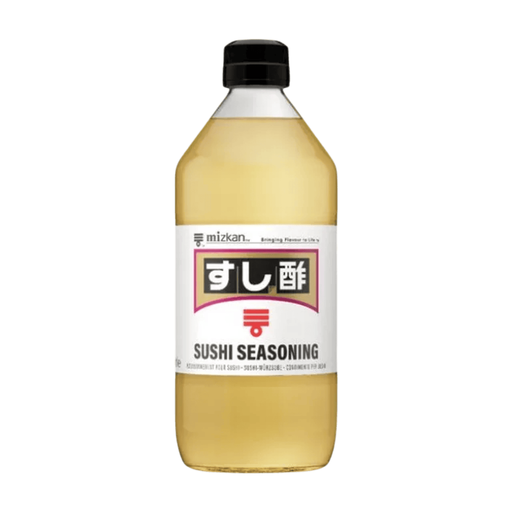
Why this fits the profile: A larger bottle for those who regularly make sushi, Japanese salads or rice dishes and want a ready-to-use sushi seasoning.
The application is clearly described, so you won’t accidentally buy it as a general soya sauce. The nutritional information states 47g of sugar and 9.9g of salt per 100g.
568ml; ready to use; suitable for sushi rice and other Japanese preparations.
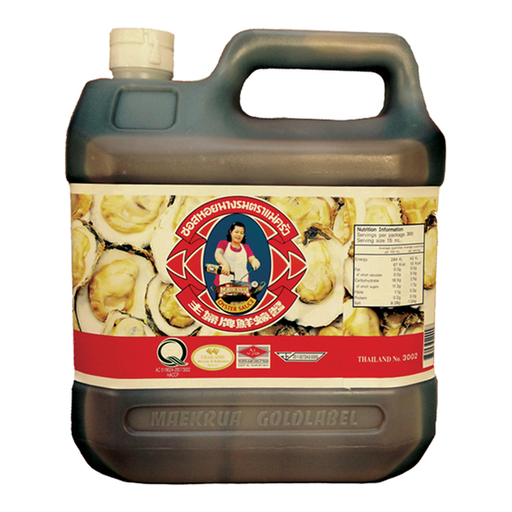
Why this fits the profile: Aimed at catering, food service and households with a high consumption of oyster sauce for stir-fries, marinades and dips.
The large volume makes the choice manageable for heavy use, but it’s less suitable if you only use the sauce occasionally. Check storage space and opening instructions.
4.5 litres; according to the product information, suitable for stir-frying, marinating and dipping; states 30% oyster extract.
We’ve put together a full, up-to-date list of products that fully meet these strict selection criteria and comply with current European safety regulations.
An oyster sauce, vegetarian oyster sauce or ready-made stir-fry sauce is practical for vegetables, tofu, noodles and meat. First check whether the sauce suits your diet and watch the salt content. A ginger garlic paste can save extra preparation time, but it doesn’t fully replace the savoury flavour of soya sauce or oyster sauce.
Always follow the label. Some products need to be refrigerated after opening, while others can be kept in a cool, dry place. Stand an opened bottle upright, seal it tightly and use a clean spoon. Check the smell, colour and packaging before using a product.
Sushi vinegar is a vinegar used to season sushi rice. Sushi seasoning is usually a ready-to-use mix with vinegar, sugar and salt; some varieties contain additional ingredients such as kelp or seaweed extract. Check the label to see if extra sugar or salt is needed before you add it.
