
Vandaag of morgen in huis

Kwaliteit gegarandeerd

Welkomstaanbiedingen ontgrendelen: GRATIS bezorging | Tot 80% korting | Gratis 30 dagen JoyPlus-proefperiode
Download de app
A bottle of Asian sauce may seem simple to choose, but there can be a big difference between sweet, salty, sour, spicy and umami flavours. If you only look at an eye-catching label or the words “extra hot”, you could easily end up with a sauce that doesn’t suit your dish or sits unused in the fridge.
For home cooks in the Netherlands, these are the main pitfalls to watch out for:
The right choice depends on how you’ll use the sauce: as a base, marinade, dip or finishing touch.
Thai sauces often combine sweet, sour, salty and spicy flavours. Sweet chilli sauce works well as a dip for snacks, with grilled chicken or as a quick glaze. Fish sauce adds a salty, fermented umami flavour to curries, noodles and salads. Fermented fish sauces can have a strong smell, so use them sparingly.
Gochujang is a thick Korean chilli paste with a sweet, spicy flavour. It works well in marinades, stews, bibimbap, noodles and dips. Korean chilli sauce is usually richer and thicker than ordinary chilli sauce. Check the label for wheat and soya if you need to avoid allergens.
Hoisin sauce combines sweet, salty and umami flavours, and goes well with stir-fries, dumplings, Peking duck and marinades. Oyster sauce adds a deep, savoury flavour to stir-fried vegetables, meat and noodles. A vegetarian mushroom sauce can be an alternative if you’d rather not use oyster sauce. Check the ingredients here, too: oyster sauce usually contains crustaceans or molluscs, and often soya and wheat.
Vietnamese chilli sauce is often served as a dip with spring rolls, snacks and grilled meat. According to its product description, Chinsu Chili Sauce is made with chilli, garlic, tomato and sweet potato, giving it a thicker texture. A smooth sauce is handy for soup, noodles or street food; a thinner sauce may be easier to mix into a stir-fry.
Look beyond the front of the bottle. The ingredients list shows which flavourings actually form the base of the sauce. Sugar is often high on the list for sweet chilli sauce; fermented fish, salt and water are key ingredients in fish sauce; and gochujang may combine chilli, grains and soya.
Pay particular attention to:
Always check the current packaging. Product information can change, so the label is the best guide.
A sauce with a high sugar content can caramelise quickly in a hot wok. Add it towards the end, or dilute it with water, lime juice or rice vinegar. According to the product information provided, sweet chilli sauce contains around 41 to 42 grams of sugar per 100 grams, depending on the product.
Salt content is also worth checking. Soy sauce, fish sauce and oyster sauce are concentrated, so use them for flavour rather than as a main ingredient. Start with one teaspoon, taste and add more if needed.
For spicy products, the amount of chilli is a useful guide, but it won’t tell you exactly how hot the sauce will taste. For example, Flying Goose Sriracha Extra Hot lists 70% chilli in its ingredients. Samyang Buldak Sauce is described as extra hot. Try both in small amounts to start with.
Choose a size that suits how often you’ll use the sauce. A 700 to 850 ml bottle is a good fit for a household that stir-fries every week or regularly uses sauce as a dip. For occasional use, 200 to 300 grams may be more practical.
After opening, check:
Store sauces according to the label, away from direct sunlight and heat. Take extra care to refrigerate products containing fish, garlic or fresh ingredients.
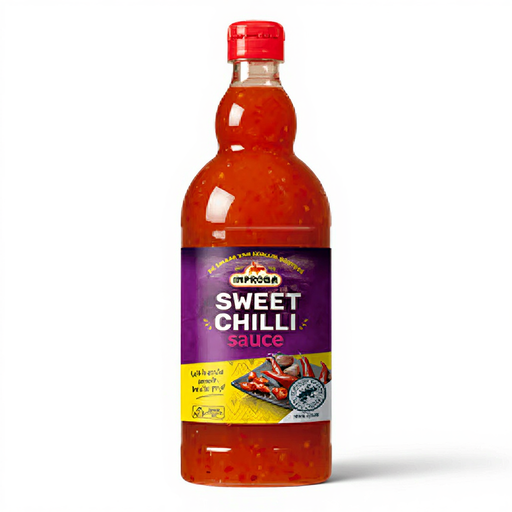
Why it suits this profile: The large bottle is practical if you often use sauce for dipping, grilling or cooking Asian dishes. According to the product description, it goes well with chicken, prawn crackers and raw vegetables.
The ingredients list includes 7.4% chilli and clearly identifies it as a sweet, spicy sauce.
850 ml; according to the product information, free from the 14 main EU allergens; suitable as a dip and marinade.
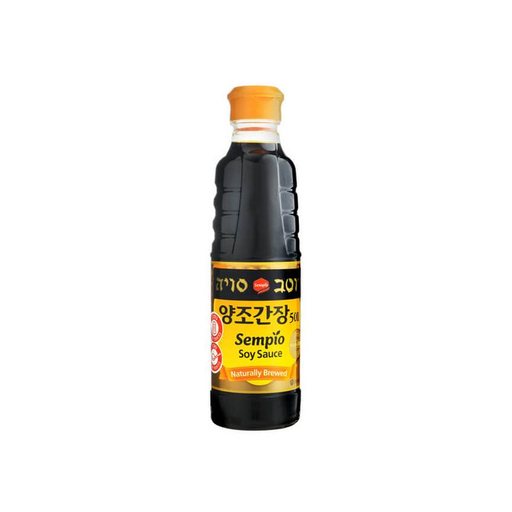
Why it suits this profile: This Korean soy sauce is a versatile base for marinades, stir-fries, soups and dips.
The product description says it is naturally brewed and clearly lists soya and wheat as allergens.
500 ml; suitable for several cooking methods; 13.5 grams of salt per 100 grams according to the product information.
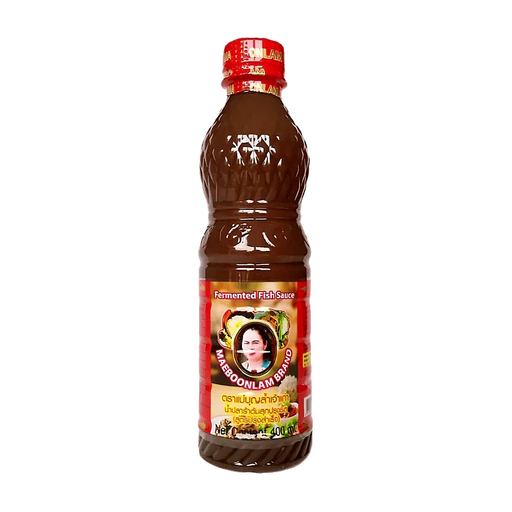
Why it suits this profile: This Thai fermented fish sauce is designed for specific dishes such as Som Tam and other South-East Asian recipes.
The product description clearly states that it is fermented, explains how to use it and highlights its distinctive umami profile.
400 ml; pasteurised according to the product description; intended for Som Tam and South-East Asian dishes.
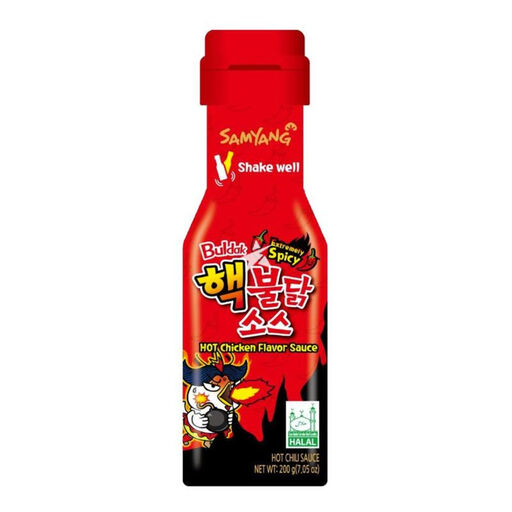
Why it suits this profile: The compact squeezy bottle makes it easy to control how much you add to chicken, noodles, rice, marinades and dips.
The 200-gram size helps avoid ending up with a large, unused supply of a very hot sauce.
200-gram squeezy bottle; according to the product information, suitable as a dip, marinade and cooking sauce; contains soya and wheat.
We’ve put together a complete, up-to-date list of products that meet these strict selection criteria and applicable European safety regulations.
It depends on the result you’re after. Use soy sauce for salt and umami, oyster sauce for a richer savoury flavour, hoisin sauce for sweetness and thickness, and chilli sauce for heat. Add thick sauces towards the end to help prevent the sugar from burning.
It varies from product to product. Follow the storage instructions on the label and refrigerate opened sauces if instructed to do so. Using a clean spoon, sealing the cap tightly and storing the sauce away from direct sunlight can help maintain its quality. Always check the shelf-life information on the packaging.
Sriracha is usually a smooth chilli sauce with garlic, acidity and a touch of sweetness. Sambal is often coarser and may be made from finely ground chilli with additional ingredients. Gochujang is a thicker Korean chilli paste with a sweet, spicy, fermented flavour. Choose according to the texture and heat you prefer, and the dish you’re making.
