
Vandaag of morgen in huis

Kwaliteit gegarandeerd

Welkomstaanbiedingen ontgrendelen: GRATIS bezorging | Tot 80% korting | Gratis 30 dagen JoyPlus-proefperiode
Download de app
A jar of Asian sauce can often seem like a simple purchase. Yet Chinese sauces, Thai sauces and ready-made stir-fry sauces differ greatly in flavour, application, ingredients and allergens. A sweet and sour sauce for spring rolls, for example, works very differently to a fermented bean sauce for noodles.
Making the right choice stops a large bottle from sitting unused at the back of the fridge. Watch out for these common pitfalls:
The application usually determines which sauce is suitable. Use the breakdown below as a starting point:
Don’t just look at the name on the label – check the ingredients list too. Soya sauce, fermented soya and wheat flour are common in hoisin sauce, sweet bean sauce and Peking duck sauce. Some varieties also contain sesame or oyster extract.
Examples from the range:
Always check the packaging you receive. Recipes and labels can change.
A sweet and sour sauce typically combines sugar with vinegar and sometimes tomato or pineapple. A sweet chilli sauce adds chilli and garlic to that. Fermented sauces, such as sweet bean sauce, are usually more savoury and saltier.
The nutritional values give a practical indication. For example, Lee Kum Kee Sweet & Sour Sauce lists 31 grams of sugars and 0.6 grams of salt per 100 grams. Lee Kum Kee Char Siu Sauce lists 54 grams of sugar and 11.1 grams of salt per 100 grams. So use a smaller amount if you’re also seasoning the dish with soya sauce or stock.
Compare the volume with how often you’ll use it. A jar of 210 to 400 grams is suitable if you want to try several different sauces. A 700 ml to 880 ml bottle is better for a large household or regular use.
Also pay attention to the storage instructions:
A sauce with a long shelf life isn’t automatically fine to leave unrefrigerated for months after opening.
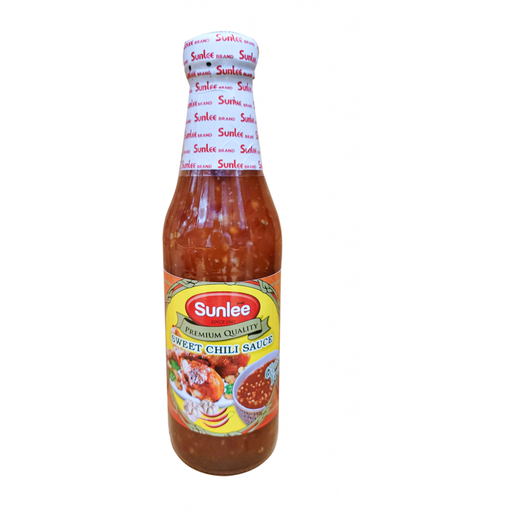
Why it fits this profile: The 300 ml pack is a manageable size for anyone wanting to try sweet chilli sauce in several dishes first, such as dips, marinades and stir-fries.
The volume limits the risk of waste. According to the product information, the sauce contains sugar, red chilli, vinegar and garlic, and is free from the 14 main EU allergens.
300 ml; suitable as a dip, glaze, marinade or stir-fry sauce; 2 grams of salt per 100 grams according to the product information.
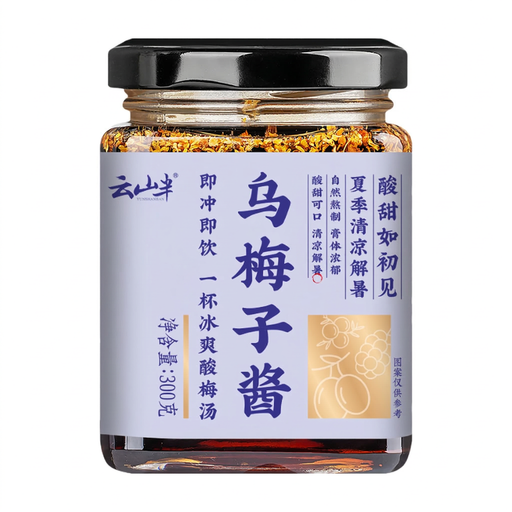
Why it fits this profile: This plum sauce is aimed at enthusiasts who love a pronounced fruity, sweet-and-sour profile for Chinese dishes and dips.
The product description specifically mentions dark plum, hawthorn, mulberry and osmanthus. This gives you a much better idea of the flavour type you’re buying than a generic sauce name would.
300 grams; suitable for dips, cold dishes, Chinese preparations and mixing into drinks; according to the product information, free from artificial colours or preservatives.
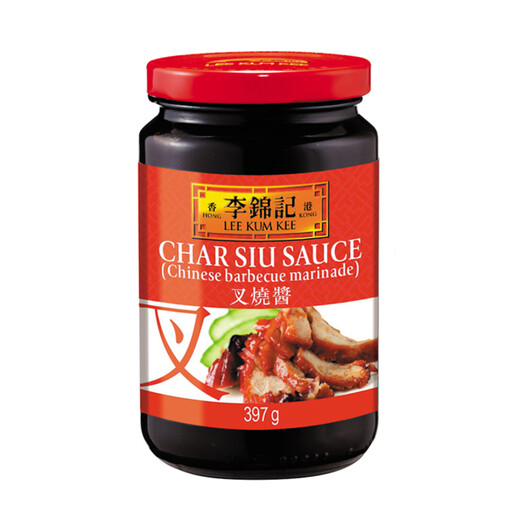
Why it fits this profile: This sauce is specifically designed as a marinade and glaze for char siu, but can also be used with the oven, grill, air fryer or pan.
The usage instructions give a specific ratio: 70–100 grams of sauce for 500 grams of pork, marinate for a few hours or overnight, and baste during cooking.
397 grams; suitable for marinating and glazing; according to the label it contains soya and wheat, so check allergens before use.
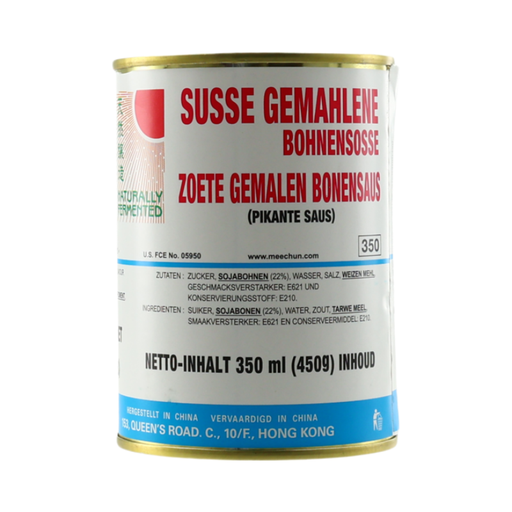
Why it fits this profile: This sweet noodle sauce is intended for stir-fries, marinades, Peking duck and other Chinese preparations.
The application is clearly described as a ready-to-use product. So you don’t need to combine separate sugar, soya and thickener to make a basic sauce.
350 ml; ready to use; suitable for noodles, stir-fries, marinades and Peking duck sauce; contains soya and wheat.
We’ve put together a full, up-to-date list of products that fully meet these strict selection criteria and comply with current European safety regulations.
That depends on the flavour you’re after. A stir-fry sauce with sesame, kecap manis or oyster sauce gives a savoury base. Sweet chilli sauce or sweet and sour sauce works when you want to add more sweetness and acidity to the dish. Add the sauce in small amounts and taste before using extra salt.
Hoisin sauce typically contains fermented soya, sugar, garlic, sesame and spices. The flavour is sweet, savoury and spicy. Sweet bean sauce or sweet noodle sauce usually has a simpler, fermented wheat and soya profile and is often used with noodles, stir-fries and Peking duck.
Always follow the label. Many sauces need to be refrigerated after opening and kept tightly sealed. Use a clean spoon, avoid direct contact with raw ingredients, and check the smell, colour and texture before using the sauce again. The best-before date on the packaging remains the guide.
