
Vandaag of morgen in huis

Kwaliteit gegarandeerd

Welkomstaanbiedingen ontgrendelen: GRATIS bezorging | Tot 80% korting | Gratis 30 dagen JoyPlus-proefperiode
Download de app
Asian sauces can make a quick meal far more flavourful, but the range available in British online shops is vast. A chilli sauce, sriracha sauce, fish sauce or oyster sauce can differ greatly between brands in terms of heat, saltiness, sweetness, ingredients and how it’s used. If you rely only on a flashy label or the words “authentic” and “traditional”, you won’t always end up with the sauce that suits your dish.
“Chilli” doesn’t automatically tell you how much heat a sauce delivers. A sweet chilli sauce often contains a fair amount of sugar and is intended as a dipping sauce or marinade. A fermented chilli sauce, on the other hand, can be savoury, salty and punchy. So check the ingredients and usage instructions rather than just the name.
A 600 to 850 ml bottle might seem good value, but it’s less practical if you only use the sauce occasionally. For families, stir-fry enthusiasts and barbecue cooks, a larger size can be very handy. Look at the portion size, shelf life and storage instructions after opening.
Many Asian seasonings contain soya, wheat, fish, shellfish, peanuts, sesame or mustard. This applies, for example, to soy sauce, oyster sauce, hoisin sauce, fish sauce and some satay sauces. Always read the current label. Product information can change, and the packaging remains the definitive source.
First, decide what you’ll be using the sauce for:
Nutritional values help you compare products more fairly. Inproba Sweet Chilli Sauce, for example, lists 42 grams of sugar and 3.5 grams of salt per 100 grams. Maekrua Oyster Sauce lists 7.6 grams of salt per 100 grams. That doesn’t make these products unsuitable, but it’s wise to adjust the amount you use to the dish and limit any extra salt.
A vegetarian stir-fry sauce isn’t automatically vegan. Check for milk, egg, fish, shellfish, soya and wheat separately. According to the product information, Healthy Boy Mushroom Vegetarian Sauce is described as suitable for vegetarians and vegans, but it does contain soya and wheat.
After opening, note the difference between “store in a cool, dry place” and “keep refrigerated”. Some products explicitly recommend refrigeration after opening. Use the shelf-life information on the packaging and do not use any damaged packaging.
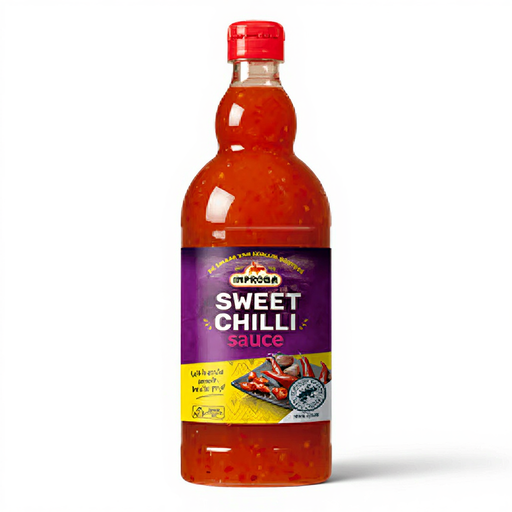
Why this fits the profile: A generous bottle for anyone who often serves snacks, chicken, vegetables or stir-fries and wants one versatile sauce.
The product information lists uses as a dip and marinade, so you have a clear purpose in mind from the start. The nutritional values make the sugar and salt content easy to check.
850 ml volume; according to the ingredients list, free from the 14 major EU allergens; contains 7.4% chilli pepper.
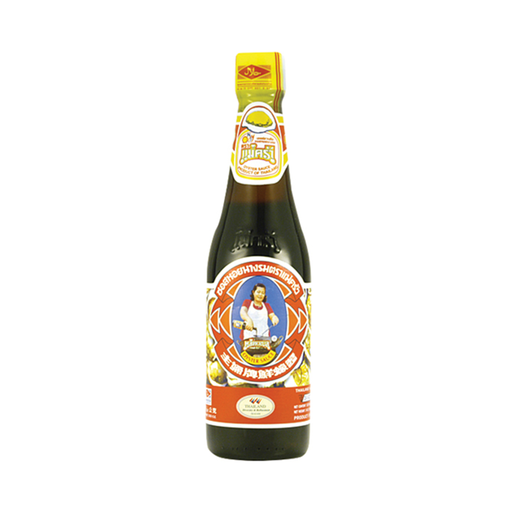
Why this fits the profile: For home cooks who want a targeted, savoury base for stir-fried vegetables, meat, rice and noodles.
The ingredients list 30% oyster extract and clearly states soya and wheat as allergens. This lets you assess the flavour profile and dietary suitability in advance.
600 ml volume; contains oyster extract; suitable as a seasoning for various hot dishes.
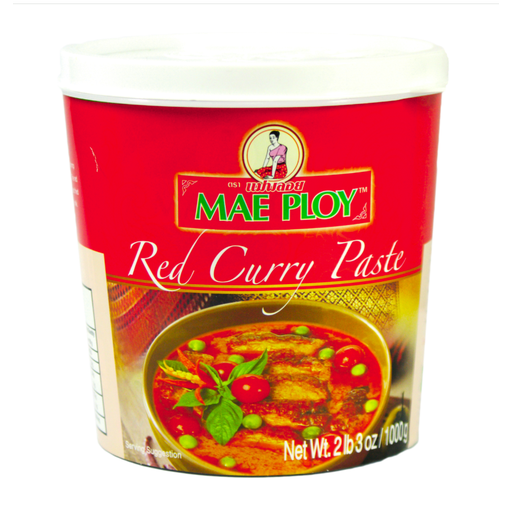
Why this fits the profile: A large size for anyone who regularly makes curry, soup or marinade and wants a concentrated base on hand.
The ingredients list makes it clear that the curry paste contains shrimp paste. This means you can deliberately rule it out if you follow a vegetarian, vegan or shellfish-free diet.
1 kg volume; contains, among other things, red chilli, lemongrass, shallot and galangal; usable for curries, soups and marinades.
For a Vietnamese meal, you can use CHINSU Chili Sauce as a dipping sauce, with noodles or in soup. The product information mentions a thick texture and a medium heat level; always check this against the label on the packaging.
If you’re looking for a savoury, vegetarian stir-fry sauce, consider Healthy Boy Mushroom Vegetarian Sauce. This sauce contains mushrooms, soya and wheat and is described in the product description as suitable for vegetarians and vegans.
For sweet and savoury dishes, Amoy Japanese Teriyaki Sauce and Healthy Boy Hoisin Sauce are practical options. Flying Goose Sriracha Chilli Sauce with Mustard combines chilli with mustard; this means it is not suitable for people who avoid mustard. According to the product information, Remia Satay Sauce is 100% plant-based, but it does contain peanut, soya and lupin.
We’ve put together a full, up-to-date list of products that fully meet these strict selection criteria and current European safety regulations.
That depends on the dish. Oyster sauce and hoisin sauce give a savoury, sweet flavour to vegetables, meat and noodles. A vegetarian stir-fry sauce based on mushrooms is an option without fish or shellfish, but check for soya and wheat.
The shelf life varies from product to product. Store an opened bottle according to the label and put sauces that require it in the fridge. Use a clean spoon, seal the packaging properly and check the smell, colour and texture before use.
Sweet chilli sauce and mild garlic sauce are easy, approachable choices. With hot chilli sauce or sriracha, add only a small amount at first. That way, family members can adjust their own portion.
