
Vandaag of morgen in huis

Kwaliteit gegarandeerd

Welkomstaanbiedingen ontgrendelen: GRATIS bezorging | Tot 80% korting | Gratis 30 dagen JoyPlus-proefperiode
Download de app
Buying a jar of Asian sauces seems simple enough – until you’re standing in front of a shelf full of gochujang, soybean paste, chilli sauce and stir-fry sauce. The difference isn’t just about taste. The salt content, ingredients, how you use it and how you store it all determine whether a sauce is right for your kitchen.
For noodles, you often need something different than for a marinade. A Chinese bean paste can be punchy and salty, while tamarind paste tastes sour and fruity. With this practical guide, you can avoid buying the wrong sauce and make a more informed choice.
Words like “authentic”, “traditional” or “mild” don’t always tell you enough about how to use it. So check the ingredients and the usage instructions. A gochujang, for example, can be suitable for marinades, stews and dips, but the flavour can vary from brand to brand depending on the ratio of chilli, sugar, grains and fermented ingredients.
Fermented sauces such as doenjang, soybean paste, black bean paste and Chinese bean paste often contain relatively high levels of salt. For example, the product information for Shinho Congbanlü Soybean Paste states 10.6g of salt per 100g. That makes the sauce suitable as a powerful flavour enhancer, but you usually only need a small amount.
Korean chilli paste can also be sweet. The Bibigo Vegan Gochujang lists 22g of sugar per 100g, while the Ajumma Republic Gochujang Hot Pepper Paste lists 23g of sugar per 100g. So add a little at first and taste as you go.
Many Asian sauces contain soya, wheat or sesame. This applies to various gochujang, doenjang and bean paste sauces. Always read the label, even if you’ve bought the product before.
Also pay attention to the storage instructions. Some jars need to be refrigerated after opening at 0–4°C, while others can be stored in a cool, dry place according to the product information. The packaging is your guide, especially for shelf life after opening.
Use this classification as a first filter:
A standard stir-fry sauce is often ready to use straight away, whereas a concentrated paste needs to be diluted first or briefly cooked in.
Ingredients are listed in descending order of quantity. If sugar or glucose syrup appears near the top, the sauce may be sweeter than you expect. For fermented products, soya, wheat, salt and sometimes alcohol or grains are common ingredients.
Also check for additives such as flavour enhancers, thickeners and preservatives. That doesn’t automatically mean a product is unsuitable, but it helps you make an informed choice.
A 500g or 570g jar is practical for families and home cooks who cook Asian food regularly. For occasional use, 120g to 245g can be more convenient, so you don’t have an open jar sitting around for too long.
Compare per 100g, especially:
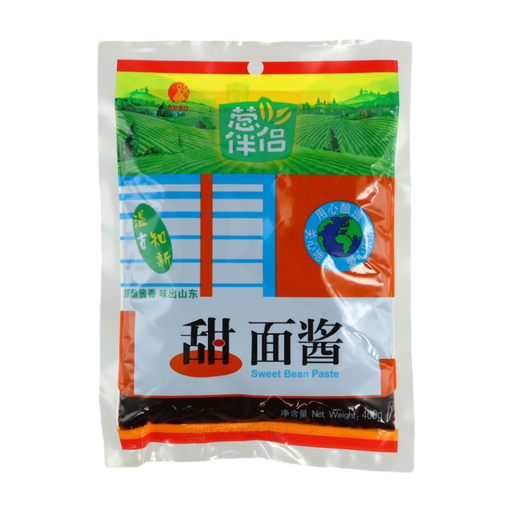
Why this fits the profile: This ready-to-use sweet bean paste is ideal if you want one versatile jar for dips, noodles, stir-fries and marinades.
The product description clearly states its uses, and the ingredients list mentions wheat and soya. This means you can assess the flavour and allergens in advance.
400g content, ready to use and suitable for both dips and hot dishes. It lists 8.6g of salt per 100g.
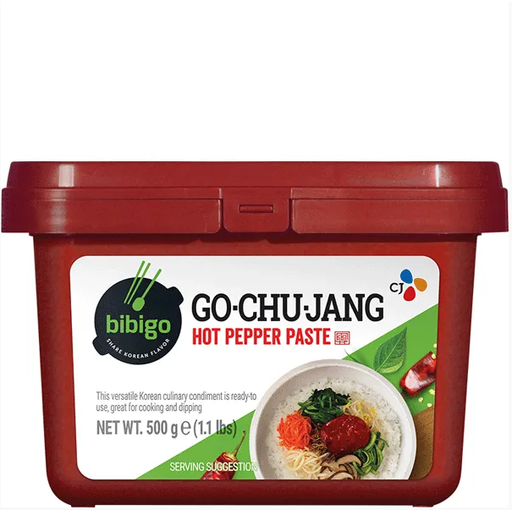
Why this fits the profile: A large 570g jar is ideal for home cooks who regularly make Korean dishes, marinades, dressings or dips.
The product information explicitly states the vegan composition and lists soya and wheat as allergens. The sugar and salt content per 100g is also provided.
570g, suitable for bibimbap, tteokbokki, stir-fries and marinades. According to the product description, the paste is made without animal ingredients.
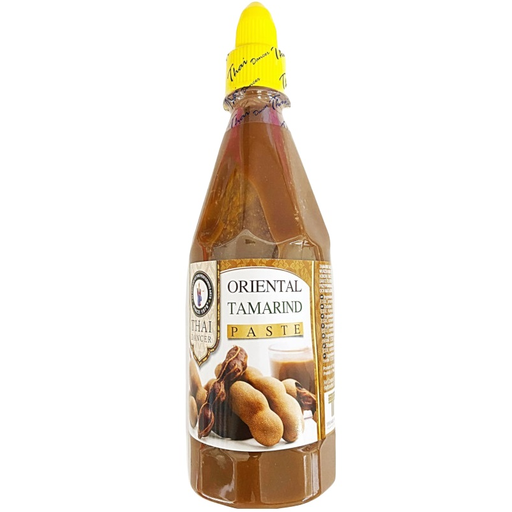
Why this fits the profile: This tamarind paste is aimed at cooks who make Thai curries, dips, marinades and homemade sauces.
The product is described as tamarind pulp with water, without artificial colours, flavourings or preservatives. This makes its intended use very clear.
435ml content, a low stated salt content of 0.03g per 100g and a clear role in sauces, curries and marinades.
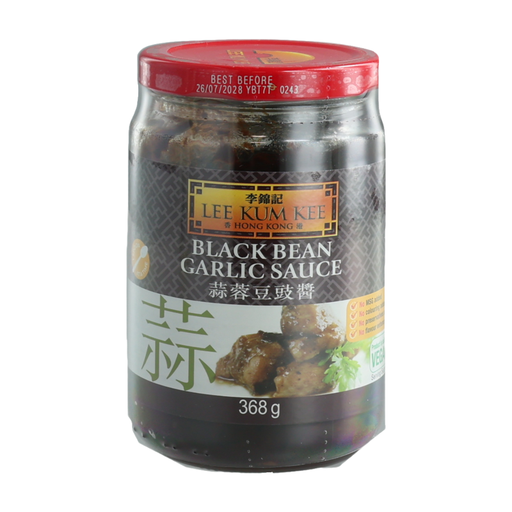
Why this fits the profile: A practical choice if you often stir-fry, marinate meat or vegetables, and want a distinctive black bean sauce.
The product description states that the sauce serves as a base for stir-fries and marinades. The label also lists soya and wheat as allergens.
368g, ready to use and made with fermented black beans and garlic. The stated salt content is 6.75g per 100g.
We’ve put together a full, up-to-date list of products that fully meet these strict selection criteria and comply with current European safety regulations.
It depends on the dish. Sweet bean paste, black bean sauce and chilli sauce work well with fried noodles. For Korean noodles, you can use gochujang. Always add small amounts and dilute if necessary with water, stock, rice vinegar or sesame oil.
Not always. Check the label. Shinho soybean paste, for example, states refrigeration at 0–4°C after opening, while other products can be stored in a cool, dry place. Use a clean spoon and close the jar immediately after use.
Doenjang is a savoury Korean soybean paste, mainly suitable for soups and stews. Gochujang is a red Korean chilli paste with a spicy-sweet flavour. Ssamjang is a seasoned dipping sauce for lettuce wraps, vegetables and grilled dishes. The three sauces are not easily interchangeable, but they can complement each other in some recipes.
