
Vandaag of morgen in huis

Kwaliteit gegarandeerd

Welkomstaanbiedingen ontgrendelen: GRATIS bezorging | Tot 80% korting | Gratis 30 dagen JoyPlus-proefperiode
Download de app
A jar of soy sauce, curry paste or seasoning mix can seem like a quick buy. Yet many products end up unused at the back of the kitchen cupboard. The reason is often not the flavour, but a misjudgement of pack size, ingredients and when to use them. This guide will help you choose Asian sauces and seasoning mixes that suit your dishes, eating habits and cooking frequency.
A pack of 400 to 810 grams might look like good value, but it’s less practical if you only cook Asian food now and then. So check:
For frequent users, a large jar can be really handy. If you’re more of an experimenter, it’s better to start with a smaller pack or a single-portion sachet.
Words like “authentic”, “traditional” and “rich in umami” don’t automatically tell you how a sauce tastes or what you can use it for. Instead, look at the ingredients list, allergens, nutritional values, origin and preparation method.
For example: a sauce made with soya beans and wheat isn’t suitable for anyone avoiding those allergens. A product high in salt or sugar can also be stronger than you expect, meaning you need less of it in a dish.
Some sauces contain fish, prawns, milk or other animal-derived ingredients. That applies even to products with a name that mainly suggests vegetables or mushrooms. Always check the label.
One example is Sum & Sam Green Curry Boemboe: the product information lists prawn powder and an allergen warning for crustaceans. So this paste isn’t suitable for a vegan diet. In contrast, Bibigo explicitly states on its gochujang that the product is made without animal ingredients.
First, decide what kind of dish you want to make:
Also pay attention to intensity. “Medium hot” or “spicy” isn’t a fixed European scale. Start with a small amount and add more later.
Check before you buy:
Brand claims about fermentation, traditional preparation or flavour come from their own product information. So treat them as product descriptions and compare them with the ingredients list.
A jar is handy for regular use, while a sachet of seasoning mix can be suitable for one or a few meals. After opening, a sauce often needs to be refrigerated. Seal the pack properly and always follow the information on the label.
The contents also tell you something about the cost per meal. A 570 g jar of gochujang might seem more expensive than a small sachet, but it can work out better value if you use the paste often for noodles, tofu, marinades and dressings.
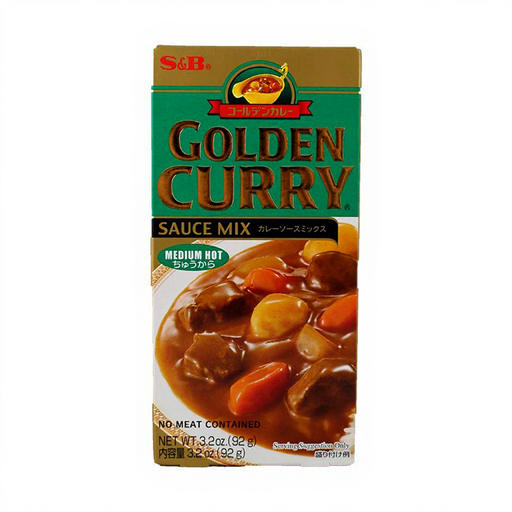
Why this suits the profile: According to the product information, the pack is designed for around 5 to 6 portions. You can make a Japanese curry with vegetables, water and a protein source of your choice without buying several individual spices.
The portion guide makes it easier to estimate the quantity in advance. Do check the listed ingredients: this product contains wheat, soya and beef extract among other things.
Japanese curry mix for 5 to 6 portions; described as medium hot and suitable for quick preparation with rice.
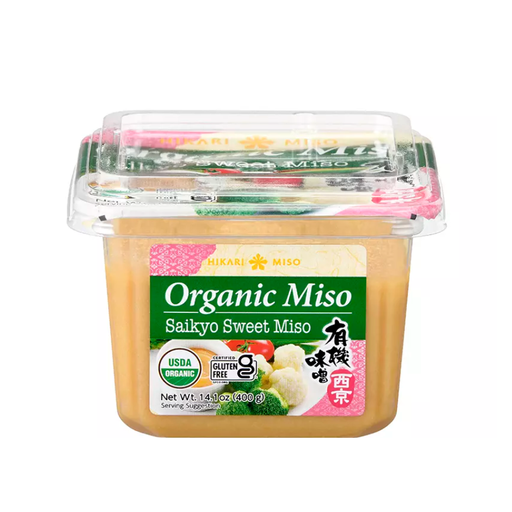
Why this suits the profile: According to the product information, this Japanese miso paste is sweet and mild in flavour. That makes it useful for miso soup, marinades and sauces where you want a gentler taste.
The product details list organic ingredients and a clearly stated allergen: soya. Check the current packaging for the full composition.
400 g; suitable for soup, marinades and sauces; mild sweet flavour profile according to the product description.
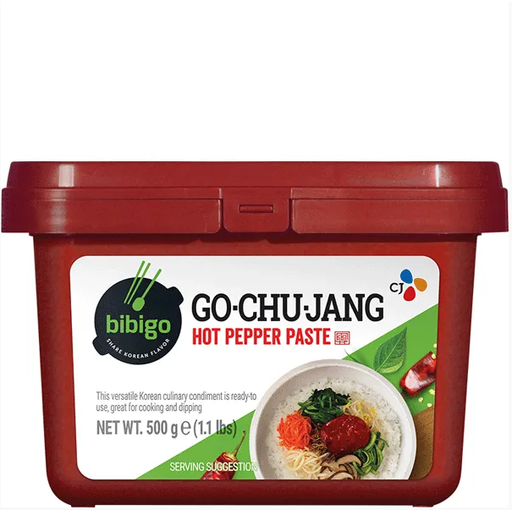
Why this suits the profile: The 570 g jar is designed for regular use. According to the product information, you can use gochujang in marinades, stews, stir-fry sauce, dressings, dips and rice dishes.
The packaging explicitly states a vegan recipe. The ingredients list does contain wheat and soya, so check allergens before ordering.
Vegan according to the product information; large resealable pack; suitable for Korean dishes and versatile everyday uses.
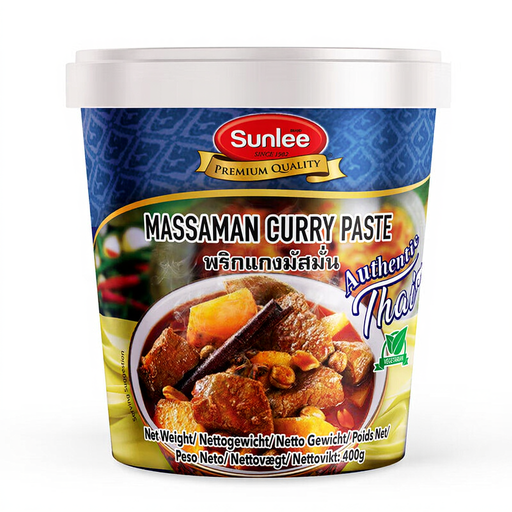
Why this suits the profile: According to the product information, this Thai curry paste is made without artificial colours or preservatives and is designed for vegan curry with coconut milk, vegetables, tofu or plant-based protein sources.
The use and vegan nature are stated in the product information. The ingredients list does mention soya, so check the label if you have allergies.
400 g; vegan according to the product information; suitable for curry, soup, stew and marinade.
We’ve put together a full, up-to-date list of products that fully meet these strict selection criteria and comply with current European safety regulations.
A stir-fry sauce, soy sauce or vegetarian stir-fry sauce is practical when you want to season vegetables, tofu, noodles or rice quickly. A mushroom sauce can add extra savouriness without animal ingredients. Do check whether the sauce you choose is vegan and how much salt it contains.
Always follow the label. Many sauces need to be refrigerated after opening and kept tightly sealed. Use a clean spoon, close the lid straight away and watch for changes in smell, colour or texture. The best-before date and any “once opened” period on the pack are your guide.
That varies from product to product. Some curry pastes contain prawn powder or fish sauce, while other versions list only plant-based ingredients. Miso paste often contains soya, but not automatically animal-derived ingredients. So always check the full ingredients list and allergen information before you buy.
