
Vandaag of morgen in huis

Kwaliteit gegarandeerd

Welkomstaanbiedingen ontgrendelen: GRATIS bezorging | Tot 80% korting | Gratis 30 dagen JoyPlus-proefperiode
Download de app
Asian sauces make it easy to prepare curries, noodles, hotpot and stir-fry dishes at home. Yet not every bottle or jar is suitable for every use. A sweet Korean BBQ sauce works differently from a salty soy sauce, while a curry paste often needs to be fried off first and then diluted.
The biggest mistakes usually come down to three pitfalls:
With a few checks, you can choose more wisely from the range of Asian sauces and avoid leaving a product unused in the fridge.
Don’t start with the brand, but with the application. A soy sauce adds saltiness and umami to rice, sushi, marinades and stir-fry dishes. Oyster sauce is thicker and often sweet-savoury; it works well with vegetables, meat, noodles and wok dishes. Note: oyster sauce usually contains oyster extract and is therefore not vegetarian.
A curry paste typically contains concentrated herbs, chilli and spices. You often only need a few spoonfuls and add coconut milk, stock or other ingredients. A ready-to-use curry sauce, such as a korma, can be heated directly with vegetables or meat.
For a quick meal, stir-fry sauce, teriyaki sauce or hotpot sauce are handy. A Korean BBQ sauce can be used hot with chicken or meat, but also cold as a table sauce. Always check the preparation instructions on the label.
Sauces are flavour enhancers, so the salt and sugar content per 100g can vary widely. For example, Koh Thai yellow curry paste lists 8.3g salt per 100g, while Patak’s Indian Korma Curry Sauce lists 0.7g salt per 100g. That doesn’t mean one product is automatically unsuitable, but it does mean you can adjust the amount and the rest of your meal accordingly.
Sugar also differs significantly. A sweet chilli sauce or Korean BBQ sauce may be intended to create a glossy glaze. Go-Tan Korean Sticky Chicken BBQ Sauce lists 39g sugar per 100g. If you prefer less sweetness, you can choose a sauce with a lower sugar content or use a smaller amount.
Also check the volume:
Read the full ingredients list, especially for vegetarian and vegan sauces. A sauce with “mushroom” or “vegetarian” in the name may still contain soya, wheat or gluten. LEE KUM KEE Mushroom Vegetarian Stir Fry Sauce is described as vegan, but it does contain soya and wheat.
Look out for these common allergens:
Check the packaging upon receipt. Product information online can change; the ingredients, allergen warnings, best-before date and storage instructions on the label are what you should follow. Once opened, a sauce often needs to be refrigerated. Close the bottle or jar tightly and use clean utensils to limit contamination.
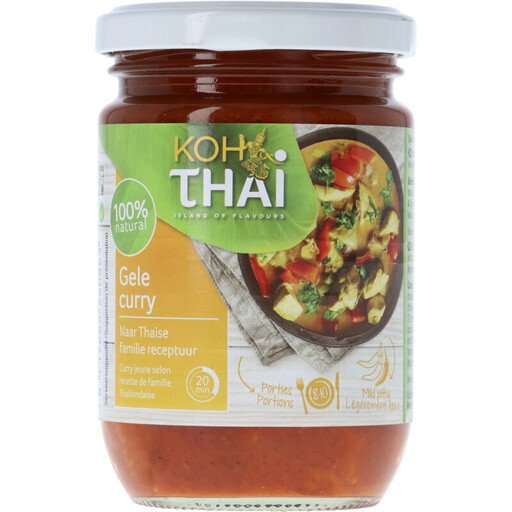
Why this fits the profile: The 225ml jar is a manageable size for anyone trying Thai sauces for the first time. According to the product description, the yellow variety is mild and you typically use two tablespoons for two people.
The smaller size limits waste. The ingredients list includes wheat and mustard, so checking for allergens is still necessary.
Mild curry paste, 8–10 servings according to the product information, and usable in curries, soups and marinades.
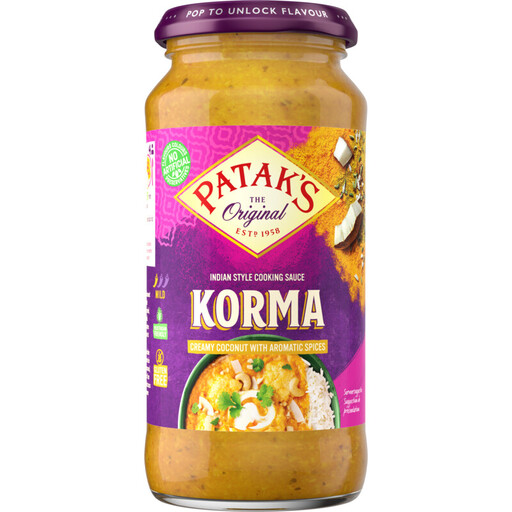
Why this fits the profile: This ready-to-use korma curry sauce is designed for a meal that, according to the product description, can be prepared in 15–20 minutes. Its mild composition suits families with different taste preferences.
You don’t need to measure out individual spices or coconut cream. However, watch out for the milk ingredient and possible traces of peanuts and nuts.
450ml, vegetarian according to the product information, and can be combined with rice, vegetables or meatballs.
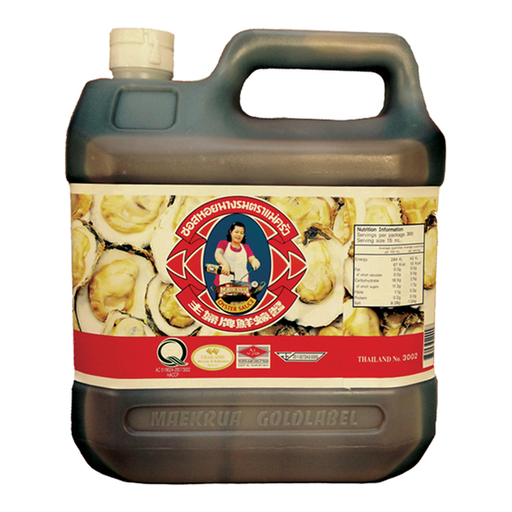
Why this fits the profile: The large pack is intended for catering professionals, events, large households and anyone who stir-fries often. According to the product description, the sauce can be used for stir-frying, marinating and as a dip.
The volume matches heavy use, so a smaller bottle won’t run out as quickly. For occasional cooks, 4.5 litres might actually be too much.
Catering size of 4.5 litres and suitable for cooking, marinades and dips. Contains oyster, soya and wheat.
We’ve put together a full, up-to-date list of products that fully meet these strict selection criteria and comply with current European safety regulations.
For minimal preparation, a ready-to-use korma curry sauce, teriyaki sauce, stir-fry sauce or Korean BBQ sauce are practical. Add vegetables, tofu, chicken or noodles and follow the preparation instructions. A curry paste usually requires extra liquid and a bit more preparation.
This varies by product. Store opened sauces according to the label; this often means keeping them tightly sealed and refrigerated. Check the smell, colour, texture and the recommended usage period. When in doubt, don’t use the product.
Check both the product label and the ingredients list. Vegetarian sauces contain no meat or fish, but may still contain milk, egg or oyster. Vegan sauces avoid ingredients of animal origin, but can still contain soya, wheat, sesame or other allergens. LEE KUM KEE Mushroom Vegetarian Stir Fry Sauce is described as vegan, but contains soya and wheat.
