
Vandaag of morgen in huis

Kwaliteit gegarandeerd

Welkomstaanbiedingen ontgrendelen: GRATIS bezorging | Tot 80% korting | Gratis 30 dagen JoyPlus-proefperiode
Download de app
Buying a bottle of Asian sauces seems simple enough – until you’re standing in front of a shelf full of Chinese sauces, Thai sauces and Vietnamese seasonings. Is the sauce mainly sweet, salty, spicy or savoury? Does the packaging suit how you’ll use it? And can you safely use the sauce if you have an allergy or follow a vegetarian diet?
Most buying mistakes come down to three common pitfalls:
With the right checks, you can choose a sauce that works with noodles, rice dishes, barbecue, marinades or as an Asian dipping sauce.
First, look at the ingredients list. Many Chinese sauces and Thai sauces contain soya and wheat. This applies, for example, to various types of soy sauce, hoisin sauce and vegetarian stir-fry sauce. Oyster sauce typically contains shellfish or molluscs, while fish sauce contains fish.
For vegetarians and vegans, the name alone isn’t enough. A sauce with a savoury umami flavour may still contain fish extract or oyster extract. Check the allergen declaration and, if in doubt, choose a product where the ingredients are clearly stated.
Also watch out for possible cross-contamination. For example, the Tan Tan Xiang Chao Tian Chili Sauce states that it contains soya and, due to shared production lines, may also contain celery, mustard and sesame.
Asian sauces are often concentrated flavourings. This means you usually only use a small amount, but the values per 100 grams or 100 millilitres help you compare products fairly.
This way, you avoid a sauce overpowering a dish. With products high in salt or sugar, you can balance them by combining with vegetables, rice, noodles or unseasoned protein sources.
For a household, packs of around 200 to 600 grams or millilitres are usually manageable. A bottle of 800 grams, 970 grams or 1 litre is better suited to families who cook Asian food regularly. For restaurants, catering businesses and heavy users, a catering pack can be more cost-effective and practical.
Always check the label after opening. Many products need to be stored in the fridge or kept tightly sealed in a cool, dry place. The best-before date and any storage period after opening are shown on the packaging.
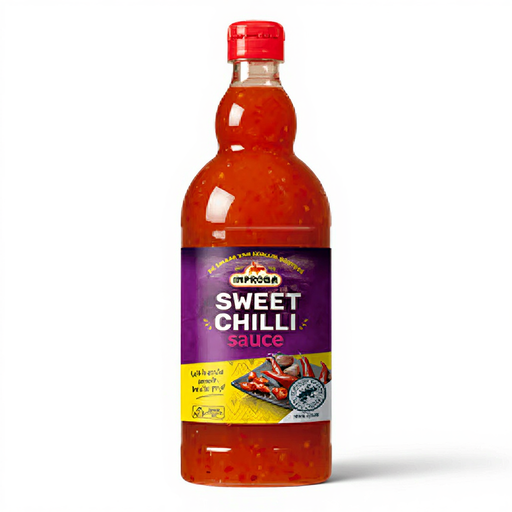
Why this fits the profile: A generous bottle for anyone who often uses a dip with snacks, grilled chicken, raw vegetables or Oriental dishes. The sauce is ready to use straight away.
The packaging clearly states its use as a dip and marinade. The ingredients list shows, among other things, 7.4% chilli pepper and 42 grams of sugar per 100 grams, so you can judge the flavour in advance.
850 ml bottle, ready to serve and, according to the product information, free from the 14 main EU allergens.
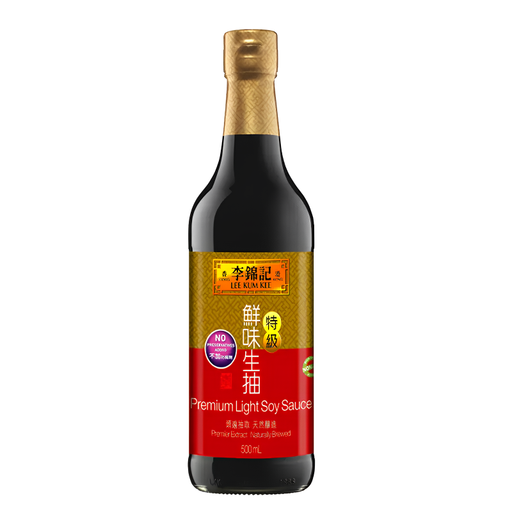
Why this fits the profile: A versatile staple for home cooks who want one bottle for stir-fries, dips, marinades and everyday seasoning.
The product information specifically mentions its use for dipping, marinating and cooking. The allergens soya and wheat are clearly listed.
500 ml bottle; the sauce is fermented according to the product description and contains 8 grams of protein and 18 grams of salt per 100 ml.
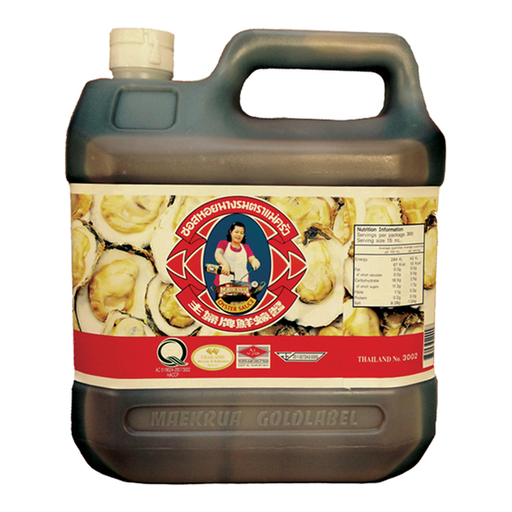
Why this fits the profile: Aimed at restaurants, catering businesses, large families and home cooks who stir-fry or prepare marinades very regularly.
The large pack only makes sense with heavy use. This means you avoid having to buy a small bottle over and over again for the same cooking routine.
4.5 litres for heavy use; according to the product information, intended for stir-frying, marinades, dips and Asian dishes. Contains oyster, soya and wheat.
We’ve put together a full, up-to-date list of products that fully meet these strict selection criteria and comply with current European safety regulations.
A light soy sauce is versatile for stir-fries, rice, noodles, dips and marinades. If you mainly serve snacks and grilled dishes, you could start with sweet chilli sauce.
This varies by product. Store the bottle according to the label, seal it tightly and put the sauce in the fridge after opening if recommended. Always check the best-before date and do not use any product with damaged packaging.
That depends on the ingredients. Oyster sauce and fish sauce are not vegetarian. A vegetarian stir-fry sauce made with mushrooms can work, but also check for soya, wheat and other allergens. The product information for Healthy Boy Mushroom Vegetarian Sauce states that this sauce is suitable for vegetarians and vegans, but contains soya and wheat.
