
Vandaag of morgen in huis

Kwaliteit gegarandeerd

Welkomstaanbiedingen ontgrendelen: GRATIS bezorging | Tot 80% korting | Gratis 30 dagen JoyPlus-proefperiode
Download de app
When buying Asian sauces online, you can quickly find yourself looking at dozens of bottles with similar names. Yet soy sauce, oyster sauce, chilli sauce, hoisin sauce and fish sauce differ considerably in flavour, salt content, sugar, ingredients and uses. A bottle that works well as a dipping sauce will not necessarily be suitable for a marinade or a sauce for wok dishes.
The main pitfalls are often not found in the appearance of the packaging, but in the details on the label.
A bottle containing 700 to 970 grams may seem like good value, but it is not always practical for a household that only cooks Asian food occasionally. Some product descriptions recommend refrigeration after opening. So check the contents, shelf life and storage instructions before buying in bulk.
For a professional kitchen or a large family, a larger pack can be particularly useful. For occasional use, 255 to 400 ml is often easier to manage.
The name “chilli sauce” says little about the exact flavour. A Vietnamese chilli sauce may be sweet and moderately hot, while a Chinese chilli garlic sauce can be much saltier and more savoury. A sweet soy sauce also often contains considerably more sugar than a light soy sauce.
Check the label and pay particular attention to:
For example, Samyang Buldak Sauce lists 18 grams of sugar and 2,300 mg of sodium per 100 grams. This makes it important to use it carefully when combining the sauce with other salty ingredients.
Many Asian sauces contain soy and wheat. Oyster sauce may also contain molluscs, while fish sauce contains fish. Hoisin sauce often contains soy, wheat and sometimes sesame oil.
If you have allergies, always check the current packaging. Product information can change, and the online description does not replace the label. Also look out for warnings about shared production lines, as found on some chilli sauces.
A light soy sauce, such as Lee Kum Kee Premium Light Soy Sauce or Kikkoman Soy Sauce, can be used in wok dishes, marinades and simple dips. According to the product information, the Lee Kum Kee version contains fermented defatted soybeans and wheat. Kikkoman lists water, soybeans, wheat and salt as its ingredients.
Use light soy sauce when you mainly want to add saltiness and umami without much colour or sweetness.
Thai dark soy sauce is thicker and often sweeter. Healthy Boy Black Soy Sauce (Yellow) lists 70% molasses, among other ingredients. This means it cannot be compared like-for-like with a light Japanese soy sauce.
A sweet soy sauce works well with noodles, fried rice, braised dishes and marinades. Add small amounts to prevent the dish from becoming too sweet or too dark.
Oyster sauce gives vegetables, meat, noodles and rice a syrupy texture and savoury flavour. Lee Kum Kee Panda Oyster Sauce lists 3% oyster extract and, according to the product information, contains molluscs and wheat. Maekrua Oyster Sauce lists 30% oyster extract, with soy, wheat and sugar included in the ingredients list.
Do not look only at the name “oyster sauce”. Also check the percentage of oyster extract, the salt content and the texture you want.
Samyang Buldak Sauce is intended as a dip, marinade or cooking sauce and, according to the product description, combines red chilli paste, garlic, vinegar and sugar. The sauce is inspired by the brand’s Buldak noodles; its heat level is a product characteristic, not a health claim.
For a milder, sweeter option, CHINSU Chili Sauce may work well with spring rolls, dumplings, grilled meat and noodles. The product information describes a smooth sauce containing chilli, garlic, tomato and sweet potato.
A Chinese chilli garlic sauce, such as Tan Tan Xiang Chao Tian Chili Sauce, also contains fermented soybeans. According to the label, this version is saltier and more intense. It is therefore better used as a flavour enhancer in small quantities rather than as a neutral table sauce.
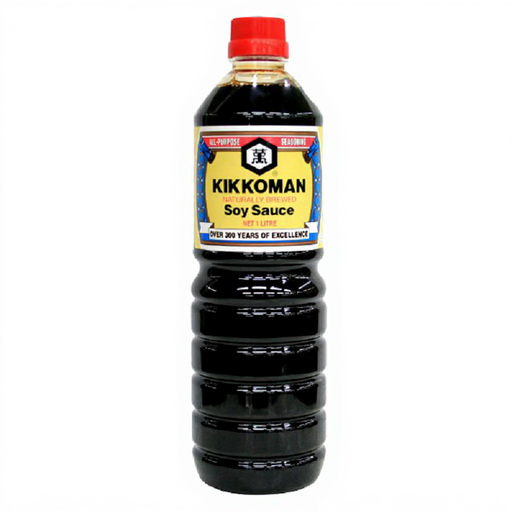
Why it suits this profile: A large bottle with a simple composition is practical for anyone who regularly makes wok dishes, rice dishes or basic marinades.
The ingredients list is straightforward: water, soybeans, wheat and salt. This makes the sauce easy to assess before buying.
1 litre contents; suitable for seasoning, marinating and cooking; contains soy and wheat.
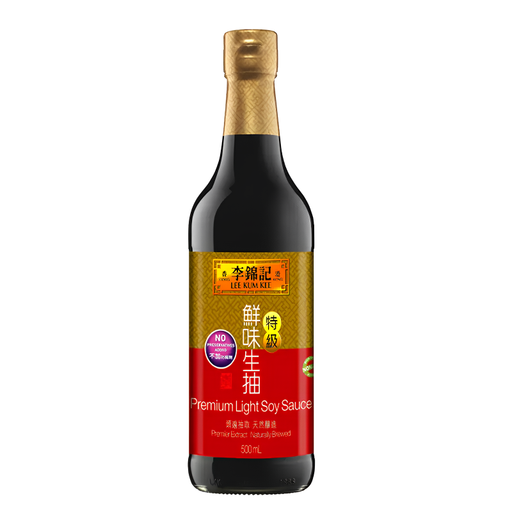
Why it suits this profile: Suitable for cooks who pay attention to fermentation, colour and each ingredient’s specific role within a recipe.
The product information states that the sauce is made through fermentation using non-genetically modified defatted soybeans and wheat. Always check allergens on the packaging.
500 ml contents; suitable for dipping, marinating and cooking; 18 grams of salt per 100 ml according to the product information.
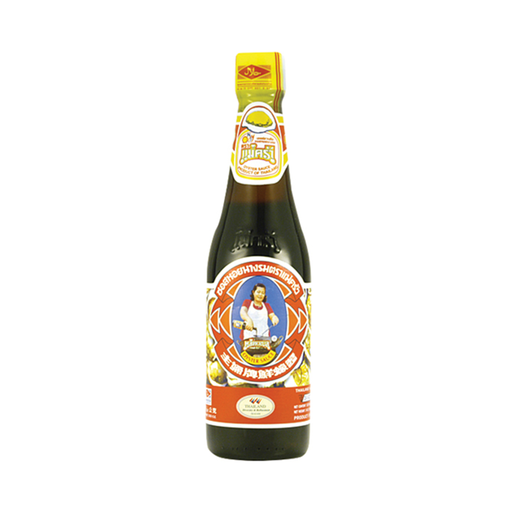
Why it suits this profile: A logical choice for anyone who often prepares wok dishes, Thai meals or savoury marinades.
The product description states that it contains 30% oyster extract. This makes its composition easier to compare with sauces that do not specify a percentage.
600 ml contents; suitable for wok cooking, marinating and dipping; contains oyster, soy and wheat.
Use this quick checklist before buying Asian sauces:
Claims such as “authentic flavour” or “traditional recipe” come from brand or product communications. According to the brands’ own information, these terms refer to their recipe or market positioning. So focus mainly on the ingredients, nutritional values, contents and directions for use.
We have put together a complete, up-to-date list of products that fully meet these strict selection criteria and the applicable European safety regulations.
For a simple wok sauce, you can combine light soy sauce with oyster sauce, garlic and, if you like, chilli sauce. Add sweet soy sauce or hoisin when you want more colour and sweetness. Start with small amounts, as several sauces combined can quickly make a dish too salty.
Shelf life varies from one product to another. Check the date and advice on the packaging. Store opened sauces according to the manufacturer’s instructions, usually tightly sealed and refrigerated. Do not rely solely on smell, colour and texture when assessing a product; if in doubt, it is better not to use it.
Hoisin sauce, chilli sauce, sukiyaki sauce and certain soy or bean sauces can be used directly as dipping sauces. Do check the thickness and heat level. A salty light soy sauce is generally better suited as a base or ingredient than as a dip on its own.
