
Vandaag of morgen in huis

Kwaliteit gegarandeerd

Welkomstaanbiedingen ontgrendelen: GRATIS bezorging | Tot 80% korting | Gratis 30 dagen JoyPlus-proefperiode
Download de app
A bottle of Asian sauce might seem like a quick choice, but the difference between a handy flavour booster and a disappointing buy often comes down to the details. A stir-fry sauce can be too sweet for everyday use, while a sambal may turn out much saltier or spicier than expected. Terms like “authentic” or “traditional” also don’t always tell you how to use the product in practice.
With these checkpoints, you can make a more informed choice from Chinese sauces, Japanese sauces, Thai curry paste and other flavourings for rice, noodles, sushi and stir-fry dishes.
“Suitable for everything” sounds convenient, but a sauce designed for marinating doesn’t automatically have the right consistency for a dipping sauce. A thick rice sauce can cling well to noodles, whereas a light soy sauce mainly adds saltiness and umami.
So check whether the product information mentions specific uses, such as:
Many ready-made sauces contain relatively high amounts of sugar or salt. That doesn’t have to be a problem, but it does affect how much you need and which ingredients the sauce works well with. A teriyaki sauce with sugar, for example, pairs nicely with tofu, vegetables or chicken, but can quickly become heavy when combined with a sweet marinade.
Check the nutritional values per 100 grams or 100 millilitres. Pay particular attention to sugars and salt, and use a small amount as a base. You can then thin the sauce with water, rice vinegar or unsweetened coconut milk.
Soya, wheat, sesame, peanuts, egg, shellfish and sulphites are common in Asian flavourings. Always read the label, even if the product name doesn’t give a clear warning. Once opened, many sauces need to be refrigerated and used within a certain period.
A product with a long shelf life is therefore not automatically long-lasting after the jar is opened. Store the packaging according to the label and do not use any product where the packaging is damaged.
For a quick rice meal, ready-made rice sauces, mushroom sauces or peanut sauces are practical. For sushi, you need a specific sushi seasoning: this typically contains rice vinegar, sugar and salt and is intended to flavour cooked rice.
For stir-fry dishes, there are several directions to consider:
A Thai curry paste is a concentrated base. You usually mix it with coconut milk, vegetables, tofu, fish or meat. Look at the recommended quantity, as the heat level varies between recipes.
An ingredients list gives you more certainty than a marketing term. With furikake, for example, sesame, soya or possibly wheat may be present. The Nihon Kaisui Wasabi and Seaweed Seasoning Mix lists, according to the product information, ingredients including sesame, nori, wasabi powder and soya sauce powder. The packaging warns about soya and sesame and possibly about gluten, peanuts and nuts.
With miso paste, soya is usually a key ingredient. The Hikari Miso Organic Brown Rice Miso Paste states, according to the product information, organic soya beans and brown rice, and contains soya. A Thai curry paste, on the other hand, may contain none of the fourteen main EU allergens, as indicated for the listed Fairtrade Thai Green Curry Paste. Always check the current packaging.
Don’t just compare the price of a jar, but also the content and the amount used per meal. A 250 ml bottle can be enough for several marinades, while a jar of concentrated paste may only need one or two tablespoons per use.
Also look out for:
A large pack is only good value if you use the sauce regularly. For a first try, a smaller bottle or jar is often more practical.
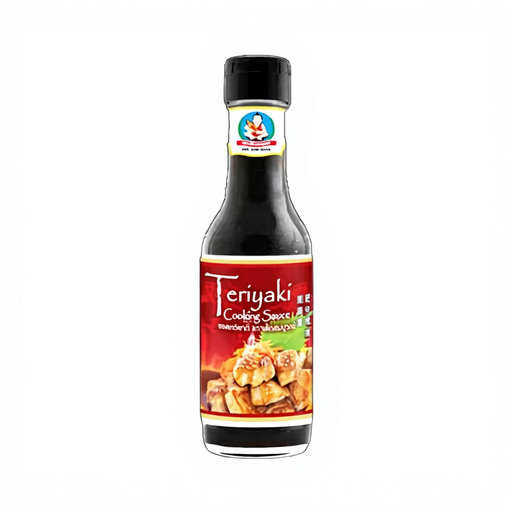
Why this fits the profile: A versatile bottle for anyone wanting to start with one product for vegetables, tofu, meat or a quick stir-fry meal.
The product information specifically mentions use for stir-frying, barbecuing and marinating. This makes the application clearer than with a sauce that only gives a general flavour description.
250 ml content; combination of soya sauce, sugar and vinegar; suitable for stir-frying, marinating and dipping.
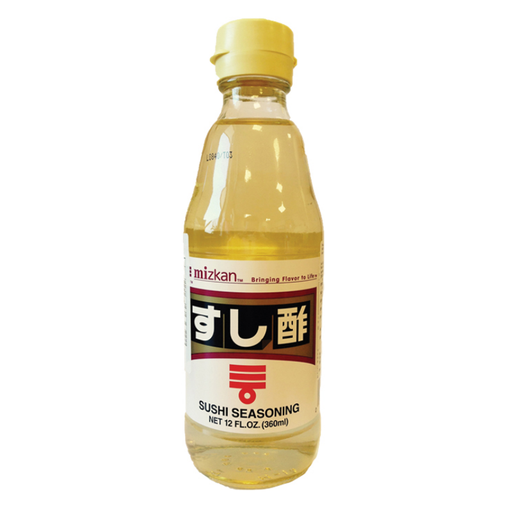
Why this fits the profile: Aimed at home cooks who regularly prepare sushi, nigiri or poke-style rice dishes.
This is not a general stir-fry sauce, but a ready-mixed blend of vinegar, sugar, salt and water for sushi rice. The application is therefore specific.
360 ml content; ready to use; according to the product information, free from artificial colours and preservatives.
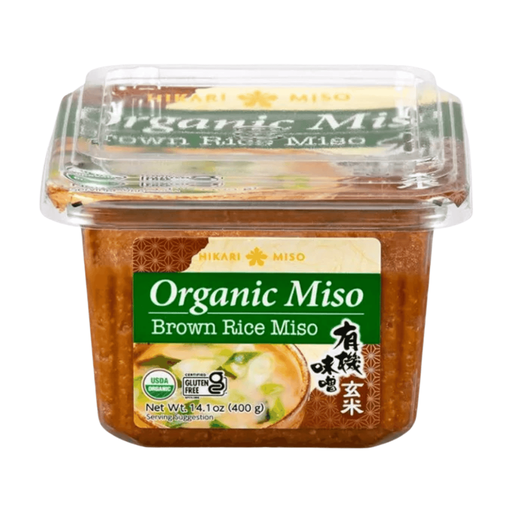
Why this fits the profile: For those who want to build flavour from scratch in miso soup, marinades, dressings and Japanese dishes.
The product information lists the main ingredients and its use as a paste. You can decide the dosage per dish yourself, rather than relying on a ready-made sauce.
400 g pack; base of soya and brown rice; according to the product information, gluten-free and unpasteurised.
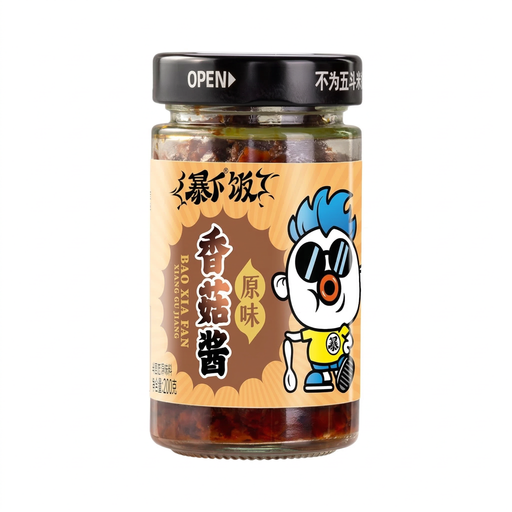
Why this fits the profile: A straightforward choice for anyone wanting to add more flavour to rice, noodles or stir-fried vegetables without much preparation.
The product information mentions shiitake as an ingredient and clearly describes use with rice, noodles and stir-fry dishes.
States 40% shiitake; can be mixed directly with rice or noodles; refrigerate after opening.
We have compiled a full, up-to-date list of products that fully meet these strict selection criteria and comply with current European safety regulations.
A ready-made teriyaki sauce, mushroom sauce, peanut sauce or rice sauce requires little preparation. Do check whether the flavour suits the dish and add a small amount first. For more control, miso paste, soya sauce, rice vinegar and sambal are individual flavourings you can combine yourself.
This varies by product. Some sauces need to be refrigerated after opening and used quickly; others state a longer period. Always follow the storage instructions on the packaging, use a clean spoon and close the bottle or jar tightly.
Sushi seasoning is usually already mixed with sugar and salt and can be stirred directly into warm rice. Rice vinegar is generally less fully seasoned and gives you more freedom to add your own sugar and salt. Check the ingredients list to decide which variant suits your method of preparation.
