
Vandaag of morgen in huis

Kwaliteit gegarandeerd

Welkomstaanbiedingen ontgrendelen: GRATIS bezorging | Tot 80% korting | Gratis 30 dagen JoyPlus-proefperiode
Download de app
A bottle of Asian sauce can add plenty of flavour to a quick meal, but not every sauce suits every dish. A sweet teriyaki sauce works differently from a salty Chinese stir-fry sauce. A large bottle, an appealing product name or the word “authentic” can also give the wrong impression.
So focus on how you’ll use it, the ingredients and any allergens. That way, you’re less likely to leave a sauce unused in the fridge or find it doesn’t suit your dietary preferences.
The packaging may say a sauce is suitable for marinating, grilling, stir-frying and dipping. In practice, the consistency can make a difference to how well it works for each use. A thick sauce is handy as a glaze, but can quickly catch in a hot wok. A thin dipping sauce, on the other hand, may not cling well to meat or vegetables.
So check the cooking instructions. If it says “ready to use”, you can usually add the sauce straight away. When using a marinade, you’ll still need to allow for the marinating time and make sure meat, fish or poultry is cooked through.
Many Chinese, Korean and Japanese sauces contain sugar, syrup or fruit purée as well as soy sauce. This creates a sweet and savoury flavour, but means it’s important to use the right amount. Check the nutritional information per 100 grams or 100 millilitres, particularly for sauces you’ll pour generously over a dish.
Check the salt content too. For example, Lee Kum Kee Char Siu Sauce lists 11.1 grams of salt per 100 grams. That doesn’t mean you need to avoid it, but a small amount is often enough. Taste your dish before adding extra salt or soy sauce.
A vegetarian or vegan sauce may still contain soya, wheat or gluten. According to the product information, Lee Kum Kee Mushroom Vegetarian Stir Fry Sauce is suitable for vegetarians and vegans, but it does contain soya and wheat. If you have an allergy, always check the current packaging. Online product information can change and may not be complete.
Think about what you need the sauce for:
Ready-made stir-fry sauces and marinades are handy for a quick meal. If you want to prepare a range of dishes, a versatile dipping or stir-fry sauce may be a better choice.
Soy sauce often contains soya and wheat. Other possible ingredients include sesame, oyster extract, fish, shellfish or milk. Fruit purées, garlic and sugar can give Korean sauces a milder flavour. Japanese sauces often contain vinegar, fruit, herbs or mirin.
Also check whether a product is genuinely vegetarian or vegan. A name such as “oyster sauce” may refer to a traditional sauce, while a mushroom version is made without animal ingredients.
A 500-gram bottle is handy for families or regular use, but less suitable if you only cook Asian food now and then. Smaller bottles can help reduce waste. Many sauces need to be refrigerated after opening. Seal the packaging properly and follow the storage and use-by information on the label.
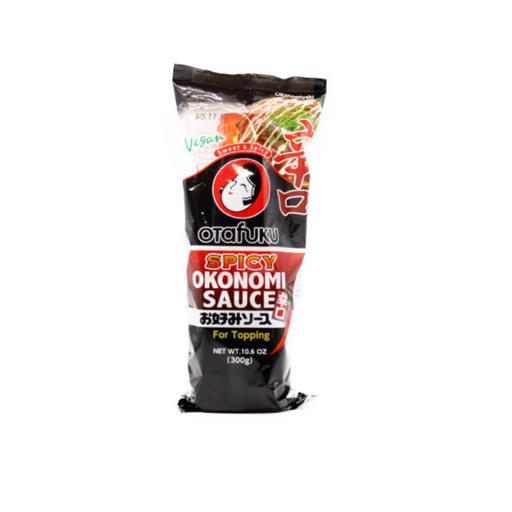
Why it suits this profile: According to the product description, this 300-gram sauce is suitable for okonomiyaki, dipping, marinating and adding flavour to Asian dishes. That gives you one bottle for several simple uses.
The product description lists several ways to use it. Do check the ingredients, though: the sauce contains soya and wheat and has a sweet, spicy flavour.
300 grams; plant-based and vegan according to the product information; suitable as a dipping sauce, marinade or finishing sauce.
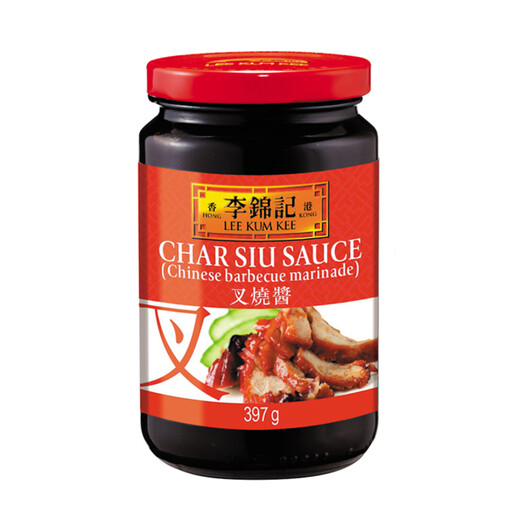
Why it suits this profile: According to the product description, this sauce is intended as a marinade and glaze for Char Siu, with cooking options including the oven, air fryer, grill and frying pan.
Its intended use is clearly defined. The sauce does contain soya and wheat, and the nutritional information shows that it is high in salt and sugar per 100 grams.
397 grams; can be used as a marinade and glaze; suitable for several cooking methods.
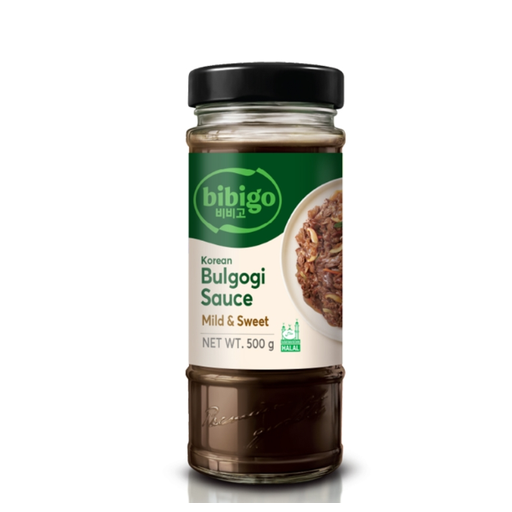
Why it suits this profile: According to the product description, this Korean marinade is intended for beef, chicken and vegetables. Its mild, sweet flavour is ideal if you want to prepare Korean dishes without much heat.
The product description explains its flavour and uses. Before buying, check the label for soya, wheat and sesame.
500 grams; suitable for meat and vegetables; can be used for grilling and stir-frying.
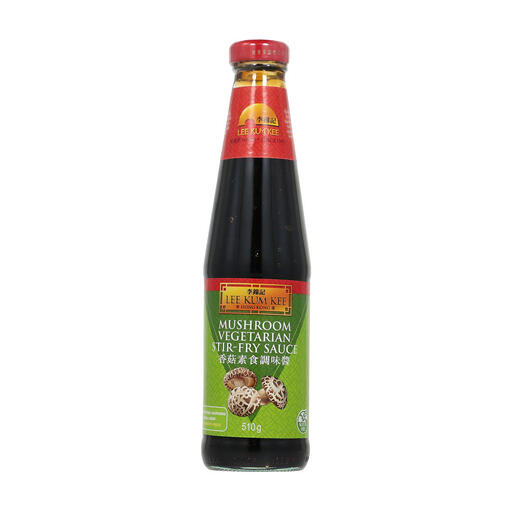
Why it suits this profile: According to the product information, this mushroom sauce is suitable for stir-frying, stewing and dipping, and for adding flavour to tofu, vegetables and noodles.
The product information specifically says it is suitable for vegetarian and vegan cooking. However, soya and wheat are still present allergens.
510 grams; ready to use; suitable for tofu, noodles and vegetables.
We’ve put together a complete, up-to-date list of products that meet these strict selection criteria and the applicable European safety regulations.
Start with a small amount and add more if needed. For stir-fries, it often works well to add the sauce when the vegetables are nearly cooked. This helps preserve its distinctive flavour and reduces the chance of it catching.
Use a separate bowl for marinades and leave meat or vegetables to marinate according to the product instructions. Don’t use a sauce that has been in contact with raw meat as a dipping sauce without treating it first. Heat it thoroughly or set aside a clean portion.
For a quick meal, combine a sauce with rice, noodles, stir-fried vegetables and tofu or meat. A sweet teriyaki sauce, for example, goes well with grilled vegetables and chicken, while bulgogi sauce is intended as a Korean marinade for foods such as beef. A thick barbecue sauce or Char Siu sauce works best as a glaze towards the end of cooking.
Choose a sauce with a clear purpose and a moderate flavour, such as a mild bulgogi sauce or a sweet and spicy Japanese finishing sauce. First, check whether you want to use it for marinating, stir-frying or dipping.
It varies from product to product. Refrigerate many sauces after opening, close the lid securely and follow the information on the packaging. Only look, smell and taste the sauce if it has been stored correctly and is still within the stated period.
A vegetarian mushroom stir-fry sauce, Japanese finishing sauce or mild dipping sauce often works well with vegetables and tofu. Always check the ingredients if you eat a vegan diet, as plant-based sauces can also contain soya and wheat allergens.
