
Vandaag of morgen in huis

Kwaliteit gegarandeerd

Welkomstaanbiedingen ontgrendelen: GRATIS bezorging | Tot 80% korting | Gratis 30 dagen JoyPlus-proefperiode
Download de app
A bottle of Asian sauce can add plenty of flavour to a quick meal, but the range is vast. Chinese sauces, Japanese sauces, Korean sauces and Thai seasonings differ greatly in salt content, sweetness, heat and intended use. If you rely only on words like “premium”, “authentic” or “traditional”, you could end up with a sauce that doesn’t suit the dish you have in mind.
This guide will help you read labels, put marketing claims into perspective, and make the right choice for stir-fries, noodles, vegetables, tofu, marinades and dips.
Not all soy sauces are the same. Light soy sauce is typically used for seasoning, marinating or as a dip. Dark soy sauce is mainly intended to add colour and a deeper flavour to braised dishes and marinades. A dark variety may therefore be less suitable as a table sauce.
The same distinction matters for other sauces:
Sauces can vary considerably per 100 grams or 100 millilitres. For instance, Lee Kum Kee Premium Light Soy Sauce lists 18 grams of salt per 100 millilitres, while the Premium Dark Soy Sauce lists 12 grams of salt per 100 millilitres. The right amount therefore depends on the recipe and on other salty ingredients.
Also watch out for sugar. According to the product information, Lee Kum Kee Soya Sauce for Chicken contains 45 grams of sugar per 100 grams. That suits a sweet preparation, but is less ideal when you’re simply after extra umami.
A product may be suitable for vegetarians or vegans and still contain soya, wheat or gluten. According to the product description, Lee Kum Kee Mushroom Vegetarian Stir Fry Sauce is made without animal ingredients, but it does contain soya and wheat. Always check the allergen list, especially if you have a soya, gluten or peanut allergy.
Ingredients are listed in descending order by quantity. If sugar or syrup appears near the top, the sauce is likely to be relatively sweet. For a stir-fry sauce, also look out for soya, wheat, mushrooms, sesame, mustard and peanut.
For vegan use, don’t just check terms like “vegetarian oyster sauce” – check the full ingredients list too. Some sauces contain flavourings or extracts that may not suit every dietary preference.
Always compare products on the same basis. A small bottle with a low salt content per serving could still be concentrated. Pay particular attention to:
Many sauces can be stored outside the fridge when unopened, but must be refrigerated after opening. According to the product information, this applies to ponzu, miso paste, sweet and sour sauce and various Lee Kum Kee sauces. Seal the bottle or jar tightly and follow the instructions on the label. Also check the best-before date on the packaging, as this can vary from batch to batch.
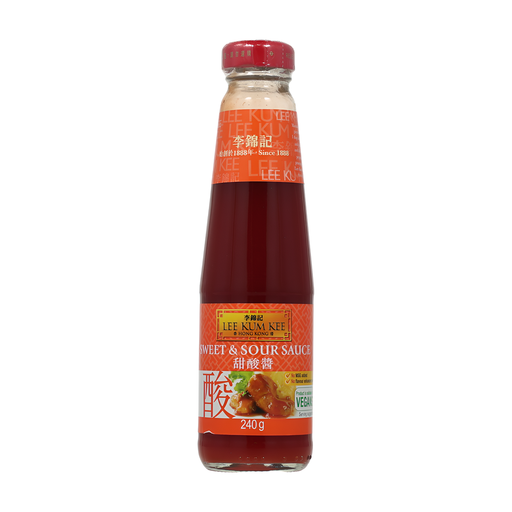
Why this fits the profile: A ready-to-use option for anyone who wants to make sweet and sour chicken, tofu, vegetables or a dip quickly without measuring out multiple ingredients.
The packaging lists specific uses such as cooking, dipping and glazing. The 240-gram size means you don’t have to buy a large quantity straight away.
Tomato purée makes up 15% of the ingredients and pineapple juice concentrate 3%. The product is ready to use.
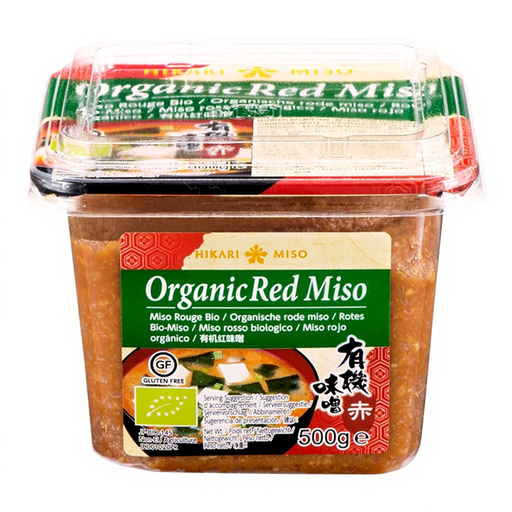
Why this fits the profile: Ideal for home cooks looking for a concentrated Japanese seasoning for soup, marinades, sauces and stir-fries.
The ingredients and allergens are clearly stated: soya, rice, salt, water and koji. This makes it clear that it’s a paste, not a ready-to-use thin sauce.
500-gram pack, 12 grams of protein per 100 grams and suitable for multiple preparations.
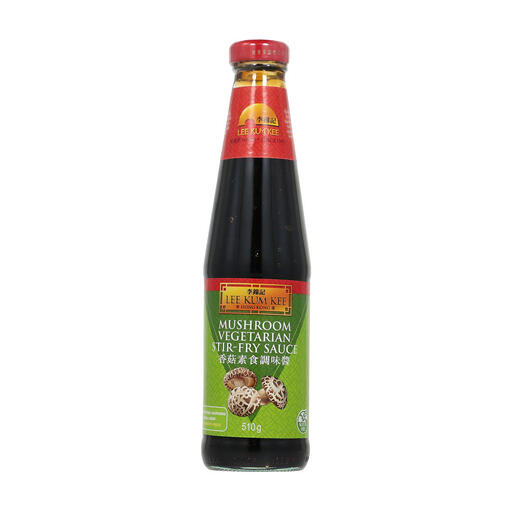
Why this fits the profile: A practical choice for vegans and vegetarians who regularly stir-fry vegetables, tofu or noodles.
The product information explicitly mentions use for stir-frying, braising, dipping, vegetables, tofu and noodles. At the same time, the label lists soya and wheat as allergens.
510-gram pack with a mushroom base. Per 100 grams, the product lists 138 kcal and 11.1 grams of salt.
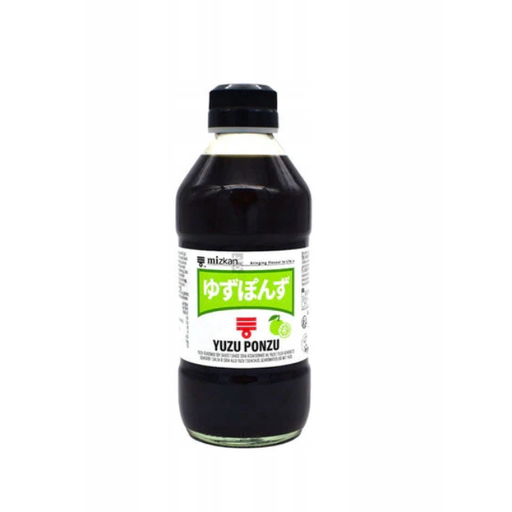
Why this fits the profile: Ideal for anyone looking for a citrus-based sauce for dumplings, salads, grilled vegetables or light Japanese dishes.
The product information specifies 4% yuzu juice and lists soya as an allergen. This makes it clear that it’s not a neutral soy sauce, but a seasoned citrus variety.
275-millilitre bottle with a blend of soy sauce, yuzu juice, lime and orange concentrate.
We’ve put together a full, up-to-date list of products that fully meet these strict selection criteria and comply with current European safety regulations.
That depends on the result you’re after. Light soy sauce adds salt and umami, vegetarian oyster sauce gives a fuller body, and miso paste provides a concentrated flavour. A ready-made stir-fry sauce is handy when you want to combine several seasonings in one product.
Follow the instructions on the packaging. Many products need to be refrigerated after opening and used within a reasonable period. Seal the packaging tightly and watch for changes in smell, colour or texture. The exact shelf life varies from product to product.
Some are, but always check the label. Products labelled “vegetarian oyster sauce” or “mushroom stir fry sauce” may be suitable for vegans according to the product description. However, soya, wheat and sometimes sesame remain potential allergens. Each product should therefore be checked individually.
