
Vandaag of morgen in huis

Kwaliteit gegarandeerd

Welkomstaanbiedingen ontgrendelen: GRATIS bezorging | Tot 80% korting | Gratis 30 dagen JoyPlus-proefperiode
Download de app
A bottle of Asian sauce may seem like a quick choice. However, there are clear differences in flavour, ingredients, allergens and size. Sweet chilli sauce works differently from light soy sauce, while oyster sauce and fish sauce are not suitable for vegetarians. If you focus only on attractive packaging or terms such as “authentic”, you could end up with a sauce that is too sweet, too salty or unsuitable for the dish you had planned.
This guide will help you compare Asian sauces for stir-fries, marinades, noodles, rice, hotpot, barbecues and dipping.
Soy sauce, ketjap manis, hoisin sauce and teriyaki sauce each have a different flavour profile. Light soy sauce is mainly salty and savoury, while dark soy sauce is often darker, thicker and sweeter. Sweet chilli sauce combines sugar with chilli and acidity, making it more suitable as a dip or glaze.
So start by considering how you intend to use it:
A pack of 800 or 970 grams can be appealing for a family, professional kitchen or anyone who stir-fries regularly. For occasional use, however, a smaller bottle may be more practical. Check the shelf life, storage instructions and how much fridge space you will have after opening.
Also check whether the quantity is given in millilitres, grams or litres. A thick sauce and a runny sauce cannot be compared directly based on the number alone.
Words like these say little about the actual ingredients on their own. Check the ingredients list and nutritional information on the label. In some sauces, sugar, salt or syrup appear high up in the list. This is not necessarily a problem, but it does affect how you should measure out the sauce.
According to the product descriptions of some brands, terms such as “authentic”, “premium” or “traditional” are used by the brand itself. Treat these as marketing information and also compare the objective details: ingredients, allergens, quantity and recommended uses.
Many Chinese, Thai, Japanese and Korean sauces contain soya and wheat. This includes various types of soy sauce, hoisin sauce, teriyaki sauce and oyster sauce. Satay sauce often contains peanuts, while fish sauce contains fish.
For a vegetarian or vegan meal, the name alone is not enough. Check the label:
Healthy Boy Mushroom Vegetarian Sauce is described as suitable for vegetarians and vegans. The ingredients list includes mushrooms, soy sauce and yeast extract; soya and wheat are present allergens.
Compare the nutritional values per 100 grams or 100 millilitres. The product information gives the following examples:
These figures help you compare sauces with one another. They affect not only the nutritional value but also how much sauce you need to add to a dish. With a very salty sauce, a small amount may be enough.
A thin soy sauce mixes quickly into a stir-fry. A thick hoisin sauce, dark soy sauce or sweet chilli sauce clings more readily to meat, tofu or vegetables. This texture is often useful for marinades and glazes.
Also consider:
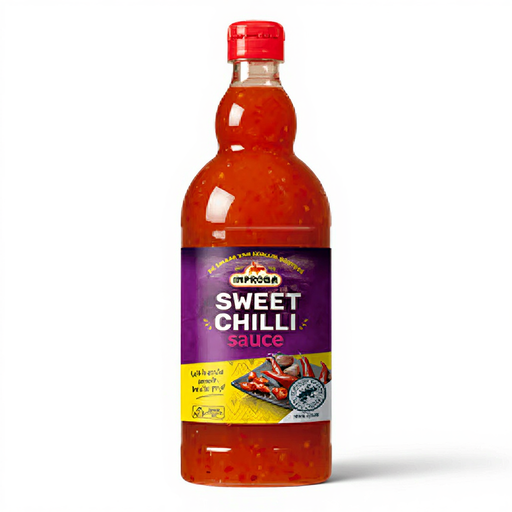
Why it suits this profile: A generously sized bottle for anyone looking for one versatile sweet chilli sauce to serve with snacks, grilled dishes, raw vegetables and simple marinades.
The product information clearly lists use as a dip and marinade. However, check the relatively high amount of sugar and salt per 100 grams.
850 ml quantity; according to the product information, free from the 14 major EU allergens.
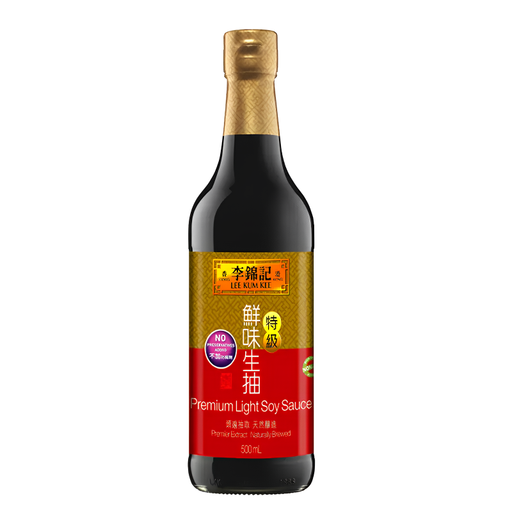
Why it suits this profile: Ideal for home cooks looking for a light soy sauce for cooking, marinating and serving at the table.
The product description clearly outlines its uses. The ingredients list includes soya, wheat, salt, sugar and yeast extract.
500 ml quantity; according to the product information, fermented from soya beans and wheat.
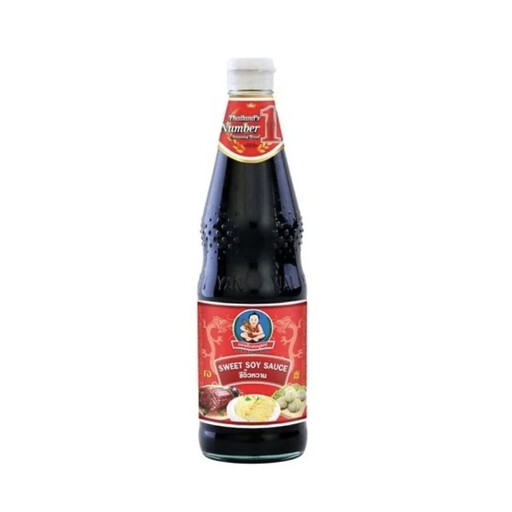
Why it suits this profile: A large format for frequent stir-fries, noodles and marinades, as well as professional kitchens or high-volume use.
The large format makes sense for frequent use. Check beforehand that you have enough room for the bottle and be aware of its high sugar content.
970 grams; a thick, sweet sauce according to the product description, intended for stir-frying, dipping and marinades.
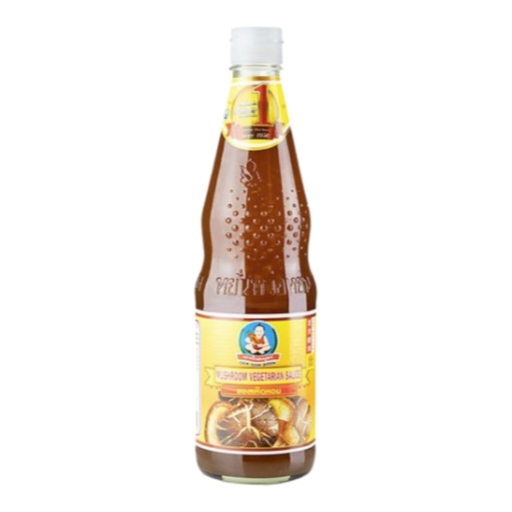
Why it suits this profile: A mushroom-based sauce for rice, noodles and stir-fried vegetables when you do not want to use oyster or fish sauce.
The product description identifies it as vegetarian and vegan. Nevertheless, check the current packaging for soya and wheat allergens.
800 grams; mushrooms and soy sauce as the base according to the product information.
We have put together a complete, up-to-date list of products that fully meet these strict selection criteria and the applicable European safety regulations.
For a simple stir-fry, you can start with light soy sauce, optionally adding oyster sauce, hoisin sauce or teriyaki sauce. Add the sauce in small amounts and taste as you go. For a vegetarian meal, mushroom sauce, sweet chilli sauce or a sauce without fish or oyster extract can be suitable options, depending on the label.
This varies from product to product. Check the best-before date, information about opening and storage instructions on the packaging. Seal the bottle tightly and store it according to the label. If you are unsure about the smell or colour, notice mould or find that the packaging is damaged, do not use the sauce.
Sweet chilli sauce, hoisin sauce, sukiyaki sauce and some chilli sauces can be used straight away as dips. Soy sauce can be served on its own or mixed with sesame oil, rice vinegar, garlic or chilli. When choosing ready-made satay sauce, check for peanut, milk, soya and wheat allergens.
