
Vandaag of morgen in huis

Kwaliteit gegarandeerd

Welkomstaanbiedingen ontgrendelen: GRATIS bezorging | Tot 80% korting | Gratis 30 dagen JoyPlus-proefperiode
Download de app
Asian sauces can quickly add flavour to rice, noodles, vegetables, tofu and meat. Yet comparing them isn’t always straightforward. A Japanese curry sauce is usually thicker and milder than a Thai curry paste, while a Chinese chilli sauce or hoisin sauce plays a very different role in a dish.
When buying, don’t just look at words like “authentic”, “mild” or “vegetarian”. The ingredients list, allergens, heat level, method of use and packaging all determine whether a sauce really suits your cooking.
Japanese curry is often served as a ready-to-use, thicker sauce with rice. Thai curry, on the other hand, usually starts with a paste that you dilute with coconut milk, stock or vegetables. A green curry paste can therefore be more potent and spicier than a ready-made Japanese curry sauce.
So check whether you’re buying a sauce, paste or cooking sauce. A paste is concentrated and intended for further preparation; a ready-to-use sauce can be heated or added straight away.
A vegetarian mushroom sauce may be suitable for vegetarians and vegans, but always check the current packaging. Soy sauce, for example, often contains soya and wheat. Some sauces may also contain allergens such as mustard, celery, coriander or gluten.
For the products in this selection, allergen information is provided based on the available product data. Always read the label before use, especially if you have a food allergy or intolerance.
A bottle or jar of 700 or 800 grams may look appealing for a household that stir-fries often. But once opened, refrigeration may be required and the flavour can deteriorate over time. For occasional use, a smaller pack is often more practical.
Also pay attention to the salt content. Some seasonings contain a lot of salt per 100 grams. So use them as an ingredient or condiment in small amounts, and taste before adding extra salt.
A ready-to-use Japanese curry sauce, such as S&B Curry Sauce with Vegetables Hot, is intended to be heated and poured over rice or noodles, according to the product description. A curry paste, like those from Cock Brand or Koh Thai, usually requires further preparation.
Choose a:
Green curry often contains green chilli, lemongrass, galangal and kaffir lime. Red curry sauce uses red chilli and typically has a warmer, spicier profile. Japanese curry sauce is usually thicker and milder in character, according to S&B’s product information.
Heat level isn’t indicated the same way on every product. So look at:
Check especially for soya, wheat and gluten. Some products also list mustard, celery or coriander. A product free from the fourteen main EU allergens may be of interest to consumers who consider this information important, but always check the packaging.
Also compare the salt, sugar and fat content per 100 grams. A sauce with a lot of sugar may be suitable for a sweeter hoisin or barbecue flavour, but may be less suitable if you’re looking for a less sweet dish.
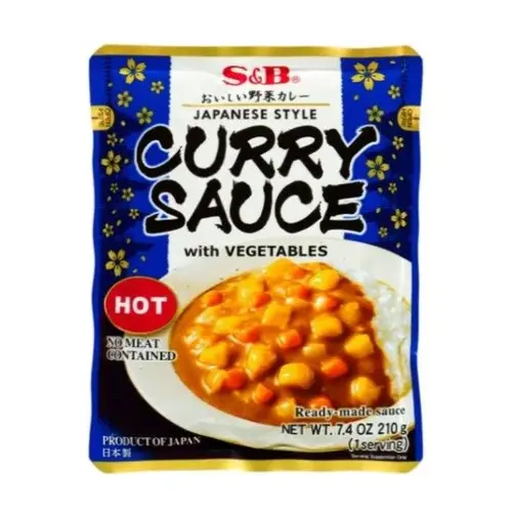
Why this fits the profile: According to the product description, this sauce is ready to use. Simply heat and serve with rice or noodles for an easy meal.
The product form is clear: a ready-to-use sauce with potato, carrot and onion. So you won’t confuse a paste with a sauce.
210g; vegetable pieces; suitable for rice, noodles and toppings. Contains wheat and soya.
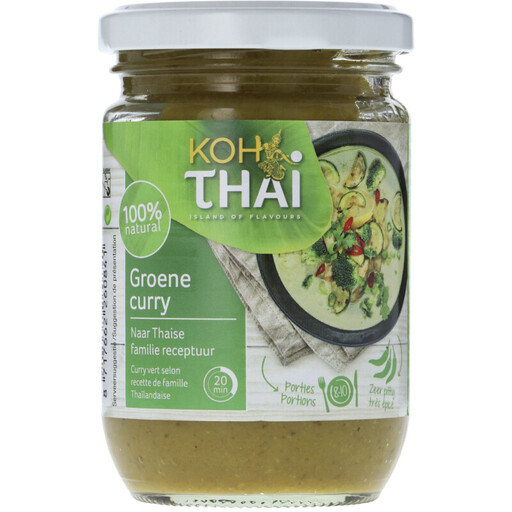
Why this fits the profile: According to the product information, this green curry paste is based on green pepper, lemongrass and spices. You can adjust the amount to your desired intensity.
The usage ratio and storage after opening are stated. So you’re buying a concentrated paste, not accidentally a ready-to-use sauce.
225g; according to the product information, gluten-free and free from the fourteen main EU allergens; suitable for curry and soup.
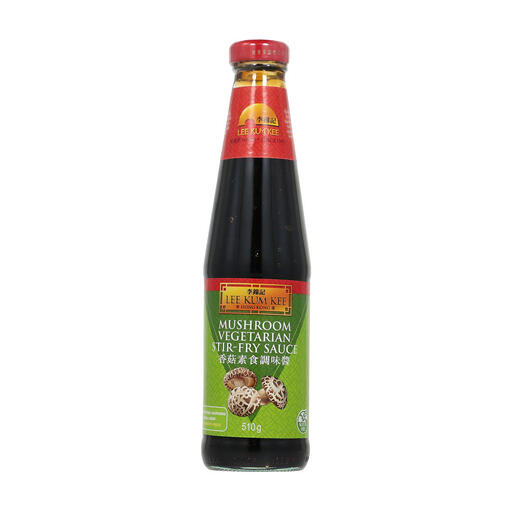
Why this fits the profile: The product description mentions a mushroom-based sauce with no animal ingredients, suitable for stir-frying, braising, dipping and cooking.
The application is broad and the vegetarian positioning is stated in the product information. Do check the listed soya and wheat allergens.
510g; suitable for tofu, vegetables and noodles; according to the product information, suitable for vegetarians and vegans.
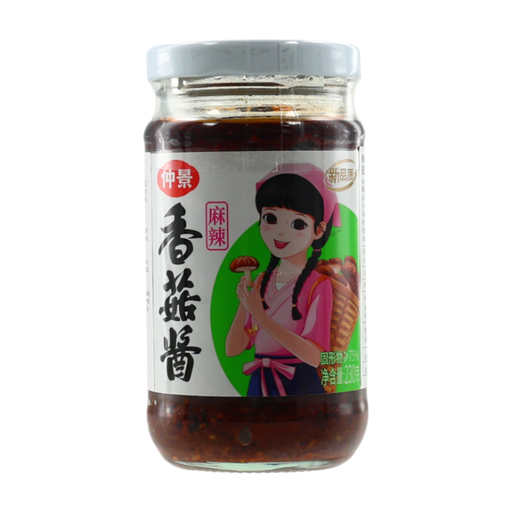
Why this fits the profile: This sauce combines mushrooms with chilli and Sichuan pepper. According to the product description, it can be used as a condiment, stir-fry base, marinade or addition to soup.
The flavour profile is described more specifically than just “spicy”: mala refers to chilli and the characteristic tingle of Sichuan pepper.
230g; real mushrooms as the main ingredient; suitable for rice, noodles, vegetables, tofu and meat.
We’ve put together a full, up-to-date list of products that fully meet these strict selection criteria and current European safety regulations.
A ready-to-use Japanese curry sauce or stir-fry sauce usually requires the least preparation. Heat the sauce according to the pack and combine it with rice, noodles and vegetables. A curry paste usually still needs to be fried off and diluted.
Thai curry paste is a concentrated mix of chilli, herbs and spices. You usually cook it with coconut milk, stock or vegetables. A Thai curry sauce is already more diluted and can be used more directly. Always check the preparation instructions.
Follow the instructions on the label. Many sauces need to be kept in the fridge after opening and used within a certain period. Seal the pack tightly and do not use any product where the packaging is damaged or where the smell, colour or texture has clearly changed.
