
Vandaag of morgen in huis

Kwaliteit gegarandeerd

Welkomstaanbiedingen ontgrendelen: GRATIS bezorging | Tot 80% korting | Gratis 30 dagen JoyPlus-proefperiode
Download de app
Buying a bottle of Asian sauce seems simple enough – until you have to choose between chilli sauce, sambal, chilli oil, gochujang, hoisin sauce, satay sauce and curry paste. A sauce that works well with spring rolls can be too sweet for a stir-fry. A paste that’s ideal for marinades can be far too salty as a dipping sauce.
So don’t just rely on words like “authentic”, “extra hot” or “traditional”. The ingredients list, nutritional information, packaging and recommended uses usually give you a much clearer picture.
“Hot” or “extra hot” doesn’t tell you how much flavour a sauce actually has. Some sauces are mostly chilli, vinegar and sugar. Others add garlic, fermented beans, sesame or spices for more depth.
A sambal with a high proportion of chilli is ideal when you want to control the amount yourself. A sweet chilli sauce is milder and typically combines sugar, vinegar and garlic. For noodles or dumplings, chilli oil can offer more aroma and texture than a smooth chilli sauce.
A 500 ml to 850 ml pack might look like good value, but that saving disappears if you only use the sauce occasionally. Pay attention to the type of product and its shelf life after opening. Some sauces need to be refrigerated once opened; others can be stored in a cool, dry place as stated on the label.
If you stir-fry or marinate regularly, a large bottle can be practical. For a first try, 200 ml to 300 ml is often more manageable.
Asian sauces frequently contain soya, wheat, gluten, peanuts, sesame, milk or shellfish. Even a product labelled vegan can still contain soya or wheat. So always check the current packaging, especially if the recipe or labelling has changed.
Also keep an eye on sugar and salt. Sweet chilli sauce often contains quite a lot of sugar, while fermented sauces, sambal and curry paste can be high in salt. Use the sauce as a seasoning and compare the values per 100 g or 100 ml.
Texture determines how you use a sauce:
Look at the quantitative ingredient declaration when it’s available. For Lao Gan Ma Spicy Crispy Oil Chili, the stated composition includes 20% chilli powder, 8% peanuts and 6% soya beans. That points to an oil with noticeable solid ingredients and more texture than a smooth sauce.
A low percentage of chilli doesn’t automatically mean a product is mild. Sugar, vinegar, garlic and fermented ingredients all affect the overall balance.
With Go-Tan Original Chili Sauce, the stated composition includes water, sugar, vinegar and 3.2% red peppers. That makes it mainly suitable for shoppers looking for a smooth, slightly sweet chilli sauce. Flower Sambal Jeanette contains 92% Madame Jeanette peppers according to the product information, making it a more concentrated choice for anyone who wants to add small amounts to dishes themselves.
If you eat a vegan diet, you need to check the full ingredients list. Bibigo Vegan Gochujang Red Pepper Paste is made without animal ingredients according to the product information, but it does contain wheat and soya. Mae Ploy Panang Curry Paste contains shrimp paste according to the label, so it’s not suitable for a shellfish-free diet.
Also check claims such as “gluten-free”, “no artificial colours” or “no preservatives” on the product page and packaging. Brand information about taste, preparation method or popularity is a claim by the brand; don’t treat it as an objective guarantee.
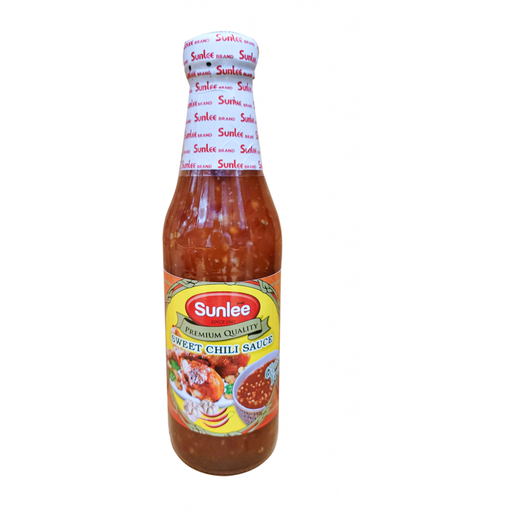
Why this fits the profile: The 300 ml bottle is practical for anyone who wants to try sweet chilli sauce first with spring rolls, snacks, salads or a simple marinade.
The product information describes a smooth sauce with mild heat and gives specific uses such as dipping, glazing and stir-frying.
300 ml pack; according to the product information, free from the 14 main EU allergens.
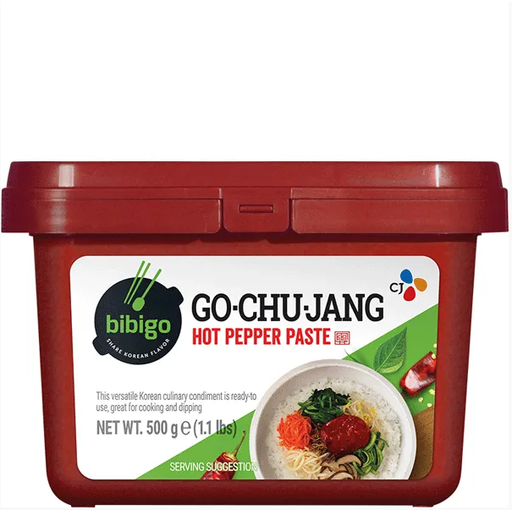
Why this fits the profile: This Korean chilli paste is intended for bibimbap, stews, marinades, dressings, tofu and noodles. The 570 g pack suits regular use.
The product information explicitly states that the product is vegan. At the same time, the ingredients list shows that wheat and soya are present.
Vegan according to the product description; suitable for marinades, stir-fries, dips and dressings.
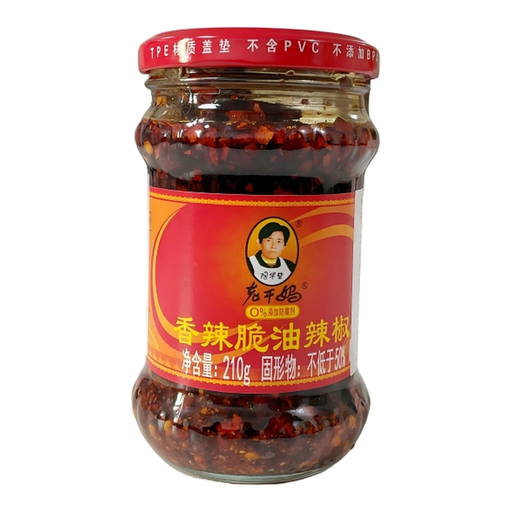
Why this fits the profile: This chilli oil is ideal for noodles, rice, dumplings, hotpot and stir-fries when you want both heat and crunchy bits.
The stated percentages for chilli, peanuts and soya beans make the composition verifiable. The allergens are clearly listed.
210 g; solid ingredients provide extra texture; ready to use with no preparation needed.
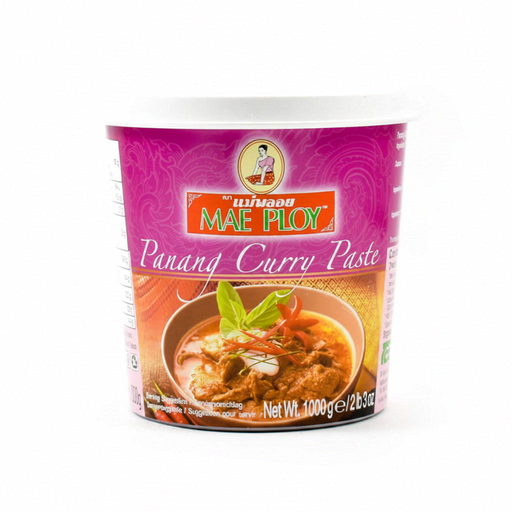
Why this fits the profile: The instruction to combine 50 g of paste with 400 g of coconut milk provides a clear base for curry with meat, tofu, fish or vegetables.
The usage advice makes the required quantity and preparation clear. Do check the stated presence of shrimp paste.
400 g pack; suitable for curry with multiple types of protein and vegetables; refrigerate after opening according to the product information.
We’ve put together a full, up-to-date list of products that fully meet these strict selection criteria and current European safety regulations.
That depends on the flavour you’re after. Chilli oil adds oil, heat and texture. Gochujang gives a thicker, slightly sweet and fermented taste. A Chinese sauce with black beans or garlic works better when you want a savoury umami flavour. Start with a small amount and add more later.
Always follow the instructions on the packaging. Many products recommend refrigeration after opening, especially curry paste, sambal and sauces with solid ingredients. Other bottles can be stored in a cool, dry place according to the product information. Don’t use any product where the packaging is damaged, and check the best-before information.
Compare the nutritional values per 100 g or 100 ml. Sweet chilli sauce and some Chinese sauce varieties contain relatively high amounts of sugar, while sambal, soya sauce and fermented pastes often have more salt. Choose a concentrated sauce that you use in small amounts, and also check the ingredients list and allergens on the label.
