
Vandaag of morgen in huis

Kwaliteit gegarandeerd

Welkomstaanbiedingen ontgrendelen: GRATIS bezorging | Tot 80% korting | Gratis 30 dagen JoyPlus-proefperiode
Download de app
If you want to buy sauces and dressings online, you’ll soon find dozens of options, from Asian sauces and chilli sauce to barbecue sauce, garlic sauce, salad dressing and gravy. However, attractive packaging or tempting claims don’t always tell you whether a product is right for your dishes. The best choice depends mainly on how you’ll use it, its ingredients, pack size and storage instructions.
Words such as “authentic”, “full of flavour” or “fiery” don’t tell you exactly how to use a sauce. A marinade for beef, for example, works differently from a table sauce for chips or snacks. So first check whether the product is intended for:
A product such as a hot sauce can work well as a flavouring, while a mild salsa is mainly intended as a dip. The product description and instructions for use are more helpful here than marketing language.
A large bottle may seem like good value, but a sauce you only use occasionally can sit around for a long time once opened. So check both the net quantity and the storage instructions. Some products need to be refrigerated after opening, or used within a certain period.
Salt and sugar levels can also vary considerably. For example, according to the product information, Chung Jung One Korean Sauce & Marinade contains 5.6 grams of salt per 100 grams. Maekrua Oyster Sauce lists 7.6 grams of salt per 100 grams. That doesn’t automatically make these products unsuitable, but it’s useful to know if you’re adding other salty ingredients, such as soy sauce.
Asian sauces often contain soya, wheat, sesame, fish or crustaceans. Oyster sauce, for example, often contains oyster extract and soy sauce. Dressings may also contain egg, milk or mustard. Always check the current packaging before ordering. Online product information can change, so the packaging is the definitive source.
First decide what you want to make. For a quick meal, a marinade, oyster sauce or sukiyaki sauce can be handy. Chilli sauce, salsa or garlic sauce work better with snacks. For salads, you could choose a plain salad dressing, ranch, honey and mustard dressing or a fruity variety.
Consider the texture, too. A thick sauce clings better to meat, snacks or vegetables. A thinner dressing is easier to mix through lettuce and raw vegetables.
Look at the first ingredients on the label. If sugar, syrup or oil comes first, it makes up a significant part of the product. Also check:
Brands’ claims about flavour or origin aren’t an objective guarantee. According to the product information, Chung Jung One Korean Sauce & Marinade is made in South Korea; its listed ingredients include soy sauce, sugar, fruit purée and garlic. Use these verifiable details to decide whether the sauce is right for your recipe.
A 600- or 800-millilitre bottle is handy for families, regular cooks or frequent use. If you want to try a flavour first, a 250- to 300-millilitre size is often more practical. A squeezy bottle can make it easier to control the amount, while a jar or larger bottle may be better suited to a professional or large kitchen.
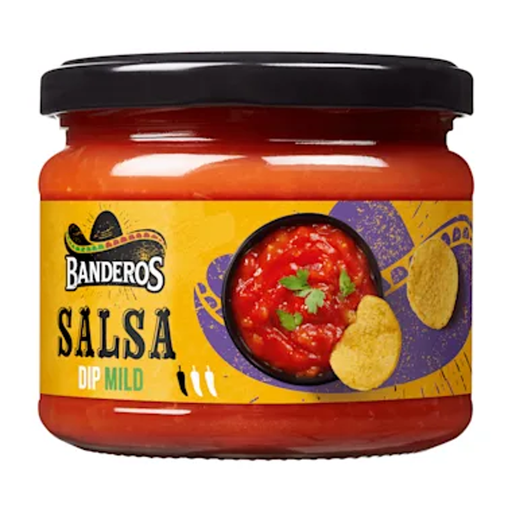
Why it suits this shopper: The 300-gram size is a manageable choice if you want to try different dips with tortilla chips, vegetables or snacks. The product information describes it as mild and says it contains no EU-declarable allergens.
Its clearly stated use as a dip helps you avoid buying a cooking sauce for sharing with snacks. Always check the current label, though.
300 grams; suitable as a dip and flavouring; mild flavour according to the product description.
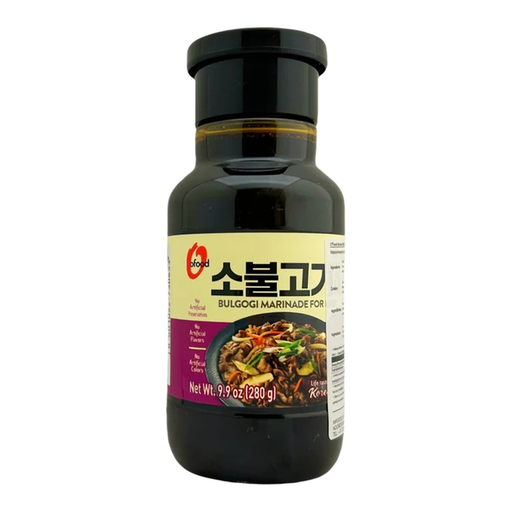
Why it suits this shopper: This Korean marinade is made for beef. It’s a convenient choice if you want to make Korean dishes or grilled meat at home without mixing a marinade from scratch.
The specific “Beef” label makes its intended use clearer than a general Asian sauce. Check for allergens such as soya, wheat and oyster extract.
280 grams; made in South Korea according to the product information; includes garlic and fruit purée.
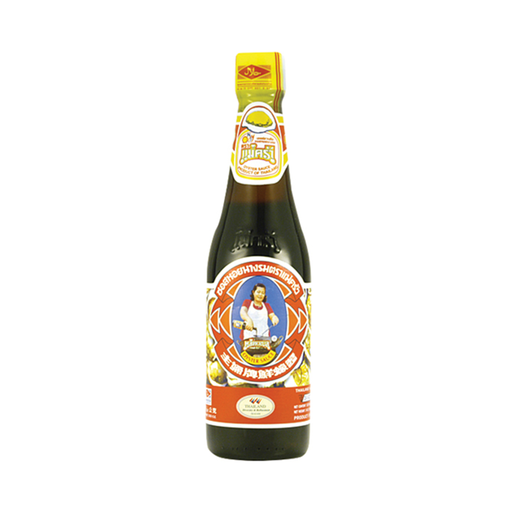
Why it suits this shopper: The larger size is ideal if you regularly stir-fry, marinate or prepare Thai and other Asian dishes.
Its use as a flavouring is clearly described. Before buying, check the high salt content and whether it contains soya and wheat.
600 millilitres; contains 30% oyster extract according to the product information; suitable for a range of hot dishes.
We’ve put together a complete, up-to-date list of products that meet these strict selection criteria and current European safety regulations.
For familiar Dutch flavours, try garlic sauce, barbecue sauce, gravy or a classic salad dressing. According to the product information, Remia Natural Salad Dressing is intended for lettuce and raw vegetables. For a sweeter, creamier option, honey and mustard dressing and ranch dressing work well with salads, sandwiches and vegetable dips.
If you’re cooking dishes from around the world, look for Asian sauces, soy sauce, oyster sauce, satay sauce or chilli sauce. With Thai and Vietnamese products, pay particular attention to heat, sugar and allergens. A mild sauce is a practical choice when you’re sharing a meal with others; you can always add an extra-hot variety at the table.
A versatile salad dressing, garlic sauce, mild salsa or chilli sauce works with a range of meals. Choose a size you can use within the stated storage period, and check whether it needs to be refrigerated after opening.
Always follow the label. Many products need to be tightly sealed and stored in a cool place or in the fridge after opening. Don’t use a product if its packaging is damaged, and check the best-before information before use.
Compare the price per 100 millilitres or 100 grams, not just the total price. Also check the ingredients, salt and sugar content, pack size and intended use. That way, you won’t end up with a cheap, large bottle that goes unused.
