
Vandaag of morgen in huis

Kwaliteit gegarandeerd

Welkomstaanbiedingen ontgrendelen: GRATIS bezorging | Tot 80% korting | Gratis 30 dagen JoyPlus-proefperiode
Download de app
When you search online for Asian sauces and dressings, you’ll quickly come across dozens of bottles, jars and sachets labelled “authentic”, “natural” or “versatile”. That doesn’t always tell you enough about the flavour, the ingredients or how to use them in practice. A Thai dressing for salad works differently, for example, from a vegetarian stir-fry sauce for noodles.
With this buying guide, you can make a more informed choice. You’ll discover which details on the label really matter, what pitfalls to watch out for, and which products suit different cooking habits.
A pack might boast about a rich umami taste, a spicy kick or an authentic recipe. Always check the ingredients list instead. Look at which flavourings come first and whether ingredients like chilli, lime, garlic, mushroom, soy sauce or vinegar are actually present.
With a Korean kimchi soup, the difference is clear from the ingredients. The Jiadianziwei seasoning lists at least 35% kimchi in the blend and at least 7% Korean chilli paste. That tells you far more than just the description “Korean flavour”.
A vegetarian sauce can contain milk, egg or other animal-derived ingredients. For example, MORA Veggie Satay contains plant-based protein, but also egg, milk and peanut. That makes this satay sauce unsuitable for vegans.
If you’re looking for a vegan sauce, check not only for the word “vegan” but also for allergens such as soya, wheat and peanut. According to the product information, LEE KUM KEE Mushroom Vegetarian Stir Fry Sauce is suitable for vegetarians and vegans, but it does contain soya and wheat.
A 800 g bottle might seem attractively priced, but it’s only practical if you use the sauce regularly. Check the storage instructions after opening. Many sauces need to be refrigerated and should ideally be used within a limited time.
Also pay attention to salt and sugar per 100 g or 100 ml. You often use a sauce in small amounts, but the nutritional values can vary widely. For instance, FATHAI Vegetable Seasoning Powder contains 44.5 g of salt per 100 g. This is a concentrated flavour enhancer, not a product to sprinkle generously over a dish.
A salad dressing is usually ready to use straight away. A cooking sauce, on the other hand, is meant to be heated. So always check the preparation method:
According to the product information, Songxianxian Matsutake Vinaigrette can be used as a dressing, marinade or dipping sauce. Monini Balsamic Black Glaze is thicker and works well with vegetables, cheese, fish, meat or desserts. A balsamic glaze is therefore used differently from a thin vinaigrette.
Always check the actual packaging, especially if you have a food allergy. Many Asian products contain soya, wheat, gluten, fish or shellfish. A Thai dressing, for example, may contain fish sauce even if the product mainly tastes of lime and chilli.
Examples from the range:
First, think about the balance you’re after:
Also check the values per 100 ml or 100 g. Sunlee Thai Spicy Salad Dressing lists 22 g of sugar per 100 g, while Condy Lemon Juice Dressing contains 23 kcal per 100 g according to the product information. That makes the two products suitable for different preferences and dishes.
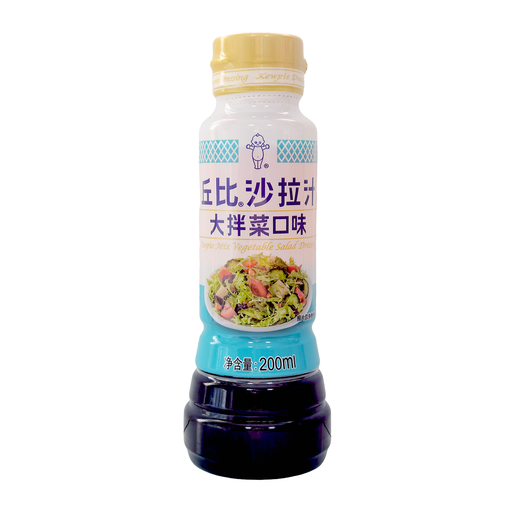
Why it suits this profile: This compact dressing is ready to use straight away on salad, cold noodles or as a dipping sauce. The recommended amount of 10 to 15 ml per 200 g of ingredients helps reduce waste.
The usage instructions and allergens are clearly stated. However, be aware of soya and the relatively high sodium content.
Small size, ready to use and versatile as a dressing or dipping sauce.
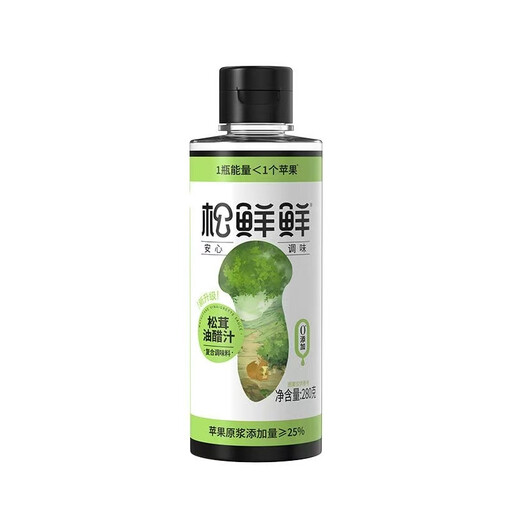
Why it suits this profile: The combination of brewed soy sauce, vinegar and Boletus edulis gives this dressing a savoury profile for salads, marinades and dips.
The ingredients and nutritional values are specified. Shake the bottle before use and refrigerate after opening.
Ready to use, 34 kcal per 100 g according to the product information and suitable for multiple uses.
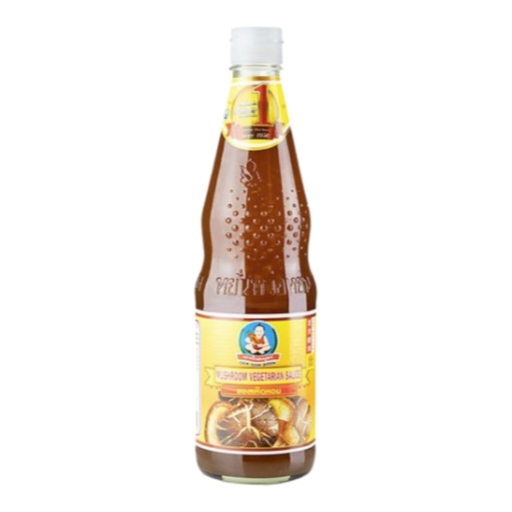
Why it suits this profile: The large size is practical if you often prepare stir-fries, rice, noodles or vegetables and want a reliable base for a vegetarian stir-fry sauce.
The application and allergens are listed. Store the jar after opening as per the label and only choose this size if you use it regularly.
800 g content, mushroom-based flavour and suitable for vegan dishes according to the product information.
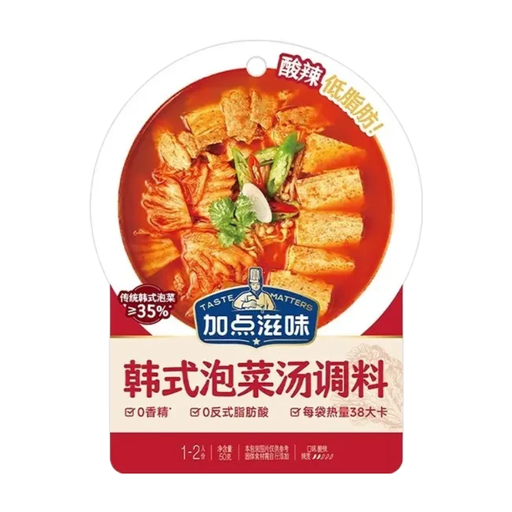
Why it suits this profile: With one sachet and 400 ml of water, you can make a Korean kimchi soup base. Add tofu, vegetables, beef or egg, for example.
The dosage and cooking steps are clearly stated. Check the ingredients list for fish, shellfish, soya and gluten before buying.
Single-serving sachet of 50 g, quick to prepare and at least 35% kimchi in the blend according to the product description.
We’ve put together a full, up-to-date list of products that fully meet these strict selection criteria and comply with current European safety regulations.
A vegetarian stir-fry sauce with mushrooms or soy sauce works well with tofu, vegetables and noodles. Check that the sauce doesn’t contain fish sauce, oyster sauce or other animal-derived ingredients. According to the product information, LEE KUM KEE Mushroom Vegetarian Stir Fry Sauce and Healthy Boy Mushroom Vegetarian Sauce are intended for vegetarian and vegan cooking, but they do contain soya and wheat.
That varies by product. Store opened dressings according to the label; many varieties need to be refrigerated. Shake a vinaigrette before use and close the bottle tightly. Don’t use any product where the packaging is damaged or where the smell, colour or texture has clearly changed.
A dressing is usually ready to use on salad or cold dishes. A cooking sauce is added during stir-frying, braising or boiling. A dipping sauce is served alongside things like dumplings, spring rolls, vegetables or snacks. Some products, such as coriander chutney, satay sauce and spicy salad dressing, can have multiple uses. Always check the recommended application on the product page and packaging.
