
Vandaag of morgen in huis

Kwaliteit gegarandeerd

Welkomstaanbiedingen ontgrendelen: GRATIS bezorging | Tot 80% korting | Gratis 30 dagen JoyPlus-proefperiode
Download de app
A jar of Asian sauce or curry paste may seem like a straightforward purchase. Yet many home cooks end up with a product that is too salty, too sweet, too hot or inconveniently large. With Asian sauces and curry pastes in particular, marketing terms such as “authentic flavour” often reveal little about the ingredients or how the product should be used.
The main purchasing pitfalls are:
Always check the label before ordering or cooking. Common ingredients in Thai curry paste include chilli, lemongrass, garlic, shallot and galangal. Some varieties also contain shrimp paste. Examples include Mae Ploy Panang Curry Paste and Nittaya Red Curry Paste.
There are other options for vegetarian or vegan meals. According to the product information, Lee Kum Kee Vegetarian Oyster Flavour Sauce uses ingredients including soya extract and mushroom extract, but contains no oysters. According to the product information, Bibigo Vegan Gochujang Red Pepper Paste is made without animal ingredients. Both products do contain soya; Bibigo also contains wheat.
Pay attention to the difference between “suitable for vegans” in the product description and the current packaging. Product formulations can change. Always check the allergen information on the jar before use.
Use the sauce’s name as a starting point, not as a complete description of its flavour.
A large format is particularly useful for families, commercial kitchens or anyone who cooks Asian food several times a week. For occasional use, a smaller pack can help reduce waste. After opening, follow the storage instructions: many products need to be kept refrigerated.
Also compare the nutritional values per 100 grams. Fish sauce and curry paste can contain relatively high levels of salt. According to the product information, Squid Fish Sauce 725 ml lists anchovies as its main ingredient and contains fish. Use this type of sauce sparingly, and taste your dish before adding extra salt.
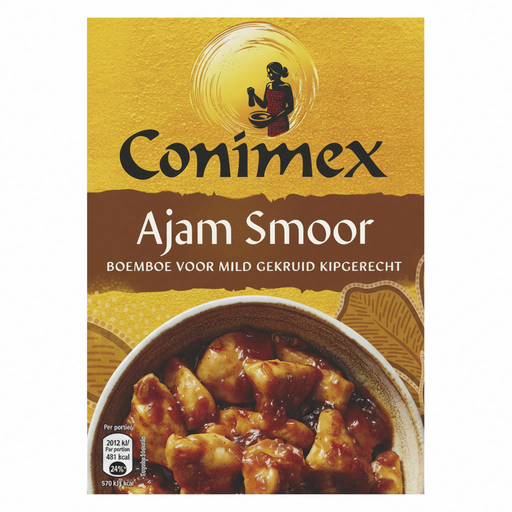
Why it suits this profile: Its compact packaging and clear application make this boemboe a suitable first step into Indonesian cooking.
The portion size is manageable, and the product information specifies a dish for 3 to 4 people with a preparation time of 15 minutes.
According to the label, it contains ingredients including cloves and cinnamon. The boemboe is intended as a base for a mildly spiced chicken dish.
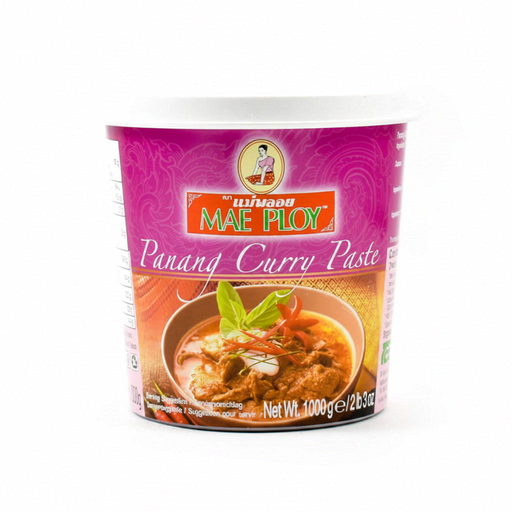
Why it suits this profile: Its ingredients list includes several distinctive spices, making it a good choice for cooks looking for a pronounced Panang profile.
The product information provides clear preparation instructions: 50 grams of paste with 400 grams of coconut milk, followed by meat, tofu or vegetables.
Suitable for curry with coconut milk and combinations with meat, seafood, tofu or vegetables. Contains shrimp; check the label if you have allergies.
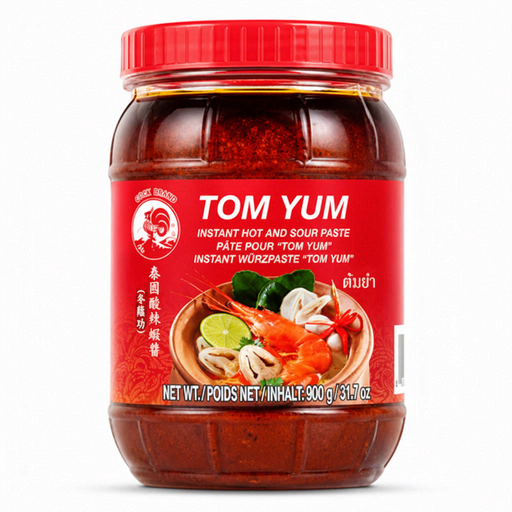
Why it suits this profile: The large format is well suited to commercial kitchens, large households and home cooks who prepare Tom Yum regularly.
The product name clearly specifies the hot and sour flavour profile, so you will not mistake it for a mild curry paste.
900 grams for frequent use. According to the product description, this is an instant hot-and-sour paste for Tom Yum.
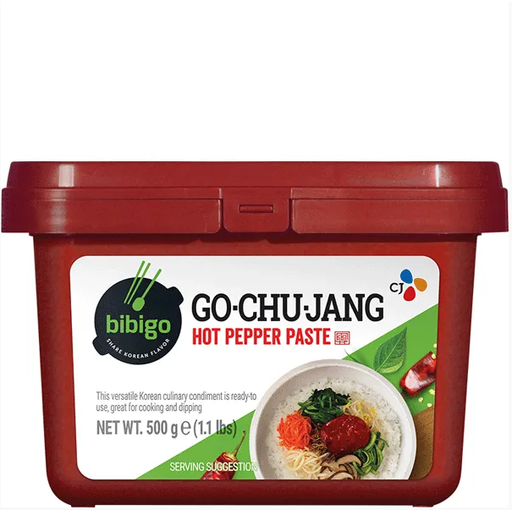
Why it suits this profile: The product information describes a vegan recipe, making this Korean flavouring suitable for tofu, noodles, vegetables and rice dishes.
The product information explicitly states that no anchovies, seafood or other animal ingredients have been added. However, check the label for soya and wheat.
570 grams and suitable for marinades, stews, stir-fries, dressings and dips.
With a few carefully chosen purchases, you can support several different cuisines:
For every purchase, check the quantity, ingredients, allergens and storage instructions. That way, you can choose Asian cooking ingredients based on how you will actually use them, rather than relying solely on the packaging or product claims.
We have put together a complete, up-to-date list of products that fully meet these strict selection criteria and the applicable European safety regulations.
That depends on the brand, the amount used and the dish. Panang curry paste is often combined with coconut milk and can create rounder, creamier flavours. Start with less paste than stated on the packaging and add more later. Mae Ploy’s product information, for example, suggests using half the amount for a milder preparation.
This varies by product. Store opened pastes and sauces according to the label; many varieties need to be refrigerated. Seal the jar tightly, use clean utensils and check the smell, colour and texture before using the product. The use-by or best-before information on the packaging remains the definitive guide.
Always check the ingredients list. According to the product information, Bibigo Vegan Gochujang and Sunlee Vegan Massaman Curry Paste are described as vegan. Remia Satay Sauce and Lee Kum Kee Vegetarian Oyster Flavour Sauce are also offered as plant-based options. Nevertheless, check the current packaging for allergens, soya and possible cross-contamination.
