
Vandaag of morgen in huis

Kwaliteit gegarandeerd

Welkomstaanbiedingen ontgrendelen: GRATIS bezorging | Tot 80% korting | Gratis 30 dagen JoyPlus-proefperiode
Download de app
A stir-fry sauce, curry paste or Chinese sauce can add plenty of flavour to a quick meal. Yet it’s not always easy to pick the right one from the wide range available. A product with an attractive packet might, for example, be too salty for everyday use, while a mild sauce won’t suit a dish where heat and spice are the main event.
When choosing Asian sauces and curry pastes, pay particular attention to the intended use, the ingredients list and the portion size. That way, you can avoid ending up with a large pack languishing unused in the fridge, or a sauce that doesn’t fit your vegetarian or vegan diet.
“Green curry”, “mushroom sauce” or “hotpot sauce” gives you a general idea, but not always the intensity. A green curry paste can be quite spicy, whereas a green curry cooking sauce may contain more sugar and salt and be ready to use straight away. So always check the ingredients and any flavour description.
Some sauces are described as vegetarian but contain milk derivatives or other animal ingredients. Conversely, a product with mushrooms may be suitable for vegans but still contain soya, wheat or gluten. Always check the current label. Product information on a website can change; the packaging is the definitive guide.
A 700g or 800g bottle might look appealing for a household that stir-fries often. However, additional storage instructions may apply once opened. A smaller pack, such as a 225g pot of curry paste, can be more practical if you only make a curry now and then.
A stir-fry sauce can usually be added straight to vegetables, noodles, tofu or meat alternatives. A curry paste is more concentrated and is often combined with coconut milk, stock or vegetables. A ready-to-use Japanese curry sauce can be served directly with rice or noodles.
Soya and wheat are common in soy sauce, mushroom sauce and seasoning sauce. Celery, mustard, coriander and cumin can also appear. If you have allergies or intolerances, it’s a good idea to look beyond the front of the pack and check the allergen declaration.
For example: according to the product information, Koh Thai Green Curry Paste contains none of the 14 major EU allergens. The Healthy Boy Green Curry Cooking Sauce, on the other hand, lists soya, wheat and coriander. That difference matters if you’re looking for a vegan Asian sauce that also fits within your allergen list.
Compare nutritional values per 100g or 100ml. The values vary widely. For instance, Lee Kum Kee Mushroom Vegetarian Stir Fry Sauce lists 11.1g of salt per 100g, while other mushroom sauces have a different composition. This doesn’t say anything about personal suitability, but it does help you make an informed comparison.
Also pay attention to:
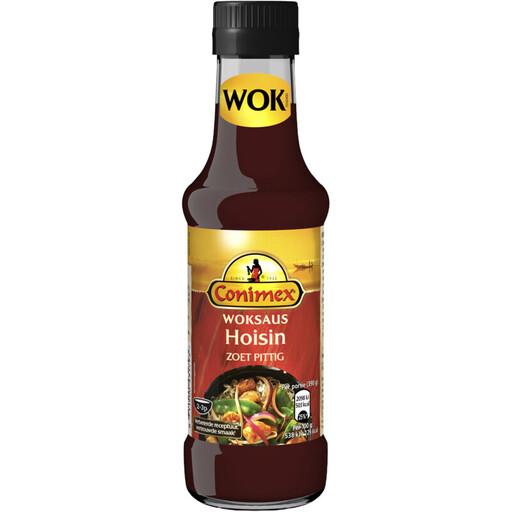
Why it fits this profile: A small pack and a mild, sweet-and-spicy flavour make this Chinese sauce an accessible choice for quick stir-fry meals.
The product information states 2 to 3 portions per use and lists applications such as stir-fry sauce, dressing and marinade.
Vegetarian according to the product description; contains no added colourings and no added flavour enhancers. Contains soya and wheat.
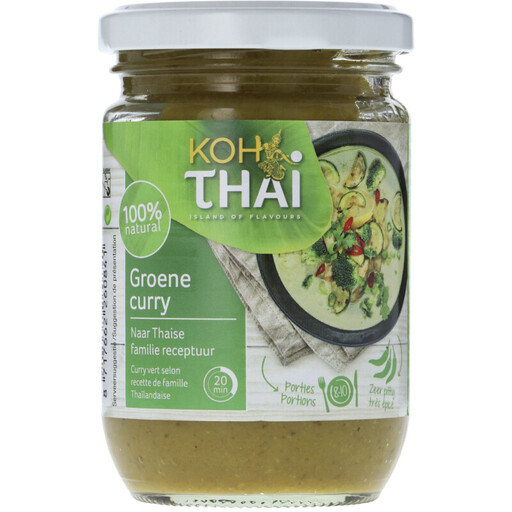
Why it fits this profile: Ideal for home cooks who want to control the amount of paste, coconut milk and vegetables themselves.
The product description states the paste is spicy and gives a guideline of around 2 tablespoons for 2 people.
225g, according to the product information good for 8 to 10 portions; listed as gluten-free and free from the 14 major EU allergens.
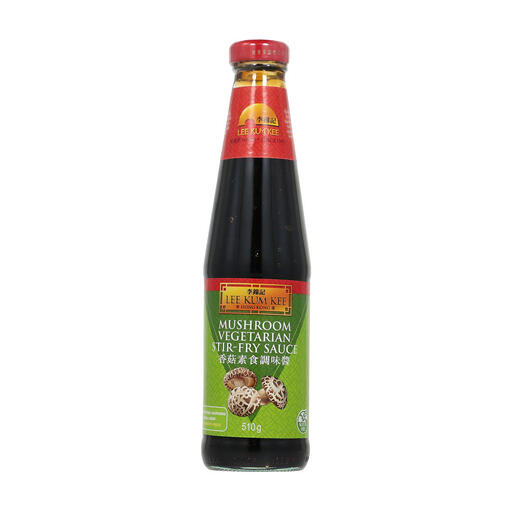
Why it fits this profile: The 510g volume suits households that stir-fry regularly, prepare tofu or flavour vegetables and noodles.
The product information mentions multiple uses: stir-frying, braising, dipping and cooking with vegetables, tofu and noodles.
Listed as a vegan oyster sauce made from mushrooms; contains soya and wheat and states 11.1g of salt per 100g.
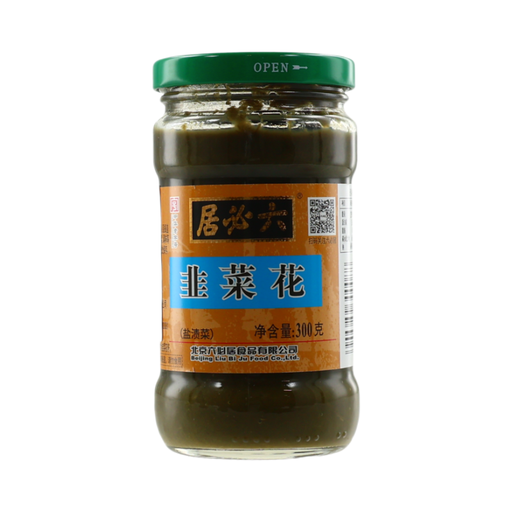
Why it fits this profile: This Chinese herb sauce is designed for hotpot, dumplings, noodle soup and small amounts in stir-fry dishes.
The usage instructions recommend serving in small bowls and mention diluting with water or vinegar as an option.
300g; made with Chinese chive flowers and suitable as a dip or flavouring. Refrigerate after opening.
We’ve put together a full, up-to-date list of products that fully meet these strict selection criteria and comply with current European safety regulations.
Choose a ready-to-use stir-fry sauce, such as a hoisin wok sauce or mushroom vegetarian stir fry sauce. Add the sauce only when the vegetables and noodles are nearly cooked. This way you can control the amount more easily and prevent the sugar in the sauce from burning too quickly.
A green curry paste is generally concentrated and built up with other ingredients. The flavour is determined by, among other things, green chilli, lemongrass, galangal and kaffir lime. A red curry sauce is often already diluted or can be used directly as a base, and according to the product information contains red chilli and similar aromatic herbs. Check the preparation instructions and heat level indication for each brand.
Always follow the label. Many products need to be refrigerated after opening and kept tightly sealed. Use a clean spoon, pay attention to the stated shelf life and check the smell, colour and texture before use. When in doubt, throwing it away is the safe option.
