
Vandaag of morgen in huis

Kwaliteit gegarandeerd

Welkomstaanbiedingen ontgrendelen: GRATIS bezorging | Tot 80% korting | Gratis 30 dagen JoyPlus-proefperiode
Download de app
A jar of Asian sauces and curry pastes can add plenty of flavour to a quick meal, but not every variety suits every dish or household. A Thai curry paste works differently from an Indian curry sauce. Sambal, sweet chilli sauce, kecap manis and oyster sauce also vary widely in heat, salt, sugar and allergens.
For home cooks, families, vegetarians, vegans and catering professionals, three pitfalls are particularly important: the wrong flavour intensity, an unsuitable size, and a label that isn't checked properly.
Heat levels differ between brands and recipes. A Thai red curry paste often contains dried red chilli, lemongrass, garlic and galangal. Sambal made with Madame Jeanette peppers, on the other hand, can be much fiercer. Always check the ingredients and start with a small amount.
Even a mild Indian curry sauce can be sweet and creamy, while a Massaman or yellow curry paste adds more spice and aromatic flavour. The taste is also influenced by the coconut milk, vegetables, tofu, meat or rice you add.
A 4.5-litre bottle might look appealing for heavy use, but it’s only practical if you use the sauce regularly. For a small household, smaller jars or bottles can help prevent waste. As well as the price, pay attention to the price per 100 ml or 100 grams and the shelf life after opening.
For restaurants, caterers and large families, a bulk pack can be more efficient. A sauce you use daily, such as oyster sauce or kecap manis, is then easier to manage in your stock.
Always check the label. A curry paste may, for example, contain shrimp paste. An oyster sauce naturally contains oyster extract. Peanut sauce is also usually peanut-based. Product information can change, so use the packaging as your up-to-date source.
Look out for allergens such as soya, wheat, gluten, peanuts, nuts, crustaceans, molluscs and mustard. If in doubt, it’s wise not to use a product for someone with an allergy.
First, decide what you need the seasoning for:
Sauces are often used in small amounts, but some varieties contain relatively high levels of sugar or salt per 100 grams. For example, the product information for Inproba Sweet Chilli Sauce shows 42 grams of sugar and 3.5 grams of salt per 100 grams. ABC Kecap Manis lists 79 grams of sugar per 100 grams.
That doesn’t make these products unsuitable, but it helps to use the sauce as a seasoning and measure it out. Don’t automatically add extra salt before you’ve tasted it.
For occasional cooking, 50 grams of curry paste or a jar of around 250 to 450 grams is often manageable. For meal prep, families and professional kitchens, packs of 400 grams, 700 grams, 1 litre or more are more practical.
Store opened products according to the label. Seal the packaging tightly, protect it from heat and moisture, and don’t use any product where the packaging is damaged.
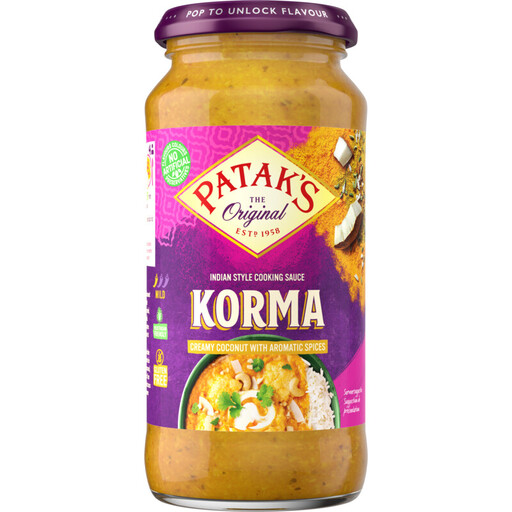
Why it fits this profile: According to the product description, the sauce is mild, creamy and designed for a meal in around 15 to 20 minutes. That makes it practical for families and cooks who want to start without lots of individual spices.
The flavour intensity and preparation method are clearly described. Do check the milk allergen label before ordering.
450 ml; suitable for vegetarians according to the product information; contains milk.
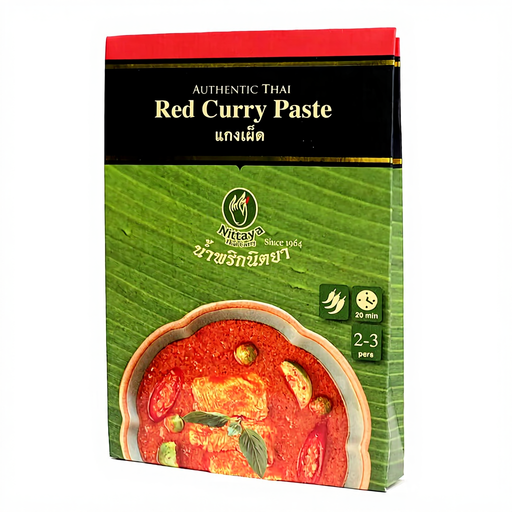
Why it fits this profile: This compact Thai curry paste is designed for cooks who want to control the amount of coconut milk, vegetables and protein source themselves, and who are looking for a distinctive spice base.
The 50-gram pack limits waste. The ingredients list includes shrimp paste, so this product is not suitable for vegan or shellfish-free preparations.
Contains red chilli, lemongrass, garlic and galangal; suitable for curry, soup, marinade and stir-fry dishes according to the product description.
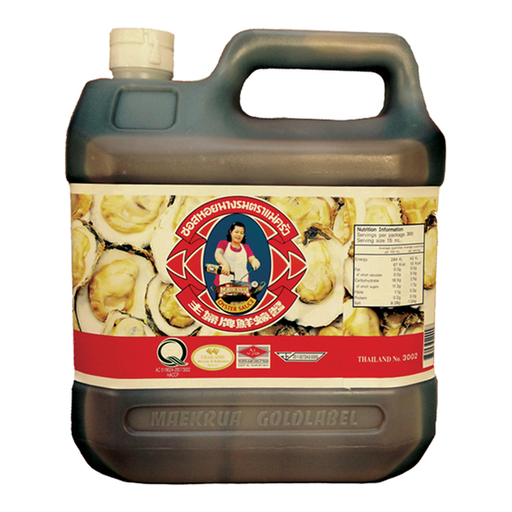
Why it fits this profile: The large pack is aimed at restaurants, catering, large families and other kitchens that frequently prepare stir-fries, marinades and dips.
The size matches heavy usage. Check beforehand whether you can use oyster, soya, wheat and gluten.
4.5 litres; suitable for stir-frying, marinades and dips; contains oyster extract according to the product information.
We’ve put together a full, up-to-date list of products that fully meet these strict selection criteria and comply with current European safety regulations.
A ready-to-use Indian curry sauce, such as korma, is easy to combine with rice and vegetables. For Thai dishes, you can mix a curry paste with coconut milk and add your own vegetables, tofu or meat. Sweet chilli sauce works straight away as a dip or marinade.
Always check the best-before date and the instructions on the packaging. After opening, many products need to be sealed tightly and stored according to the label. The length of use depends on the product, the packaging and the storage temperature.
Choose products that are clearly labelled as vegan and check the ingredients list. Sunlee Vegan Yellow Curry Paste and Sunlee Vegan Massaman Curry Paste are described in the product information as suitable for vegan preparation. Avoid products with shrimp paste, oyster extract or other animal-derived ingredients.
