
Vandaag of morgen in huis

Kwaliteit gegarandeerd

Welkomstaanbiedingen ontgrendelen: GRATIS bezorging | Tot 80% korting | Gratis 30 dagen JoyPlus-proefperiode
Download de app
Asian sauces and curry pastes make a quick meal simple, but the range varies enormously. A jar that looks suitable for a mild curry might actually be intended as a spicy dip. Terms like “extra hot”, “Thai style” or “Japanese curry” don’t always tell you enough about how to use them, what’s inside, or how much you need.
With these checks, you can avoid a bad buy and choose more wisely for Japanese curry, Chinese chilli sauce, Sichuan chilli sauce, Thai red curry or Thai green curry.
A high amount of chilli doesn’t automatically mean a sauce has much depth. So check the ingredients list. With a Sichuan chilli sauce, for example, Sichuan pepper, bean paste, garlic and ginger can create a very different flavour profile from dried chilli alone.
Also pay attention to the description:
A curry paste is usually a concentrated base. You add your own ingredients, such as coconut milk, vegetables, meat alternatives, chicken or tofu. A ready-to-use curry or curry sauce can often just be heated up and served with rice or noodles.
A curry mix in blocks, like Japanese curry, works differently. It dissolves in water and thickens the sauce as it cooks. So don’t just look at the picture on the packaging – also check the preparation method and the number of servings.
Asian sauces frequently contain soya, wheat, mustard, celery, shellfish or sesame. You need to check this information on the label. Product information online can change; the packaging remains the definitive source.
The salt content also deserves attention. The Ji Xiang Ju Mala Sauce lists 15.19g of salt per 100g. That’s a highly concentrated flavour enhancer that you’ll usually use in small amounts. The Ji Xiang Ju Spicy Sauce lists 6g of salt per 100g. So compare the nutritional values if you plan to use a sauce often or in larger quantities.
Choose based on your cooking routine:
Also check the stated number of servings. A 225g jar can yield several curry meals, whereas a sachet of ready-to-use sauce is mainly aimed at one or a few quick portions.
For Thai sauces, recognisable ingredients include lemongrass, galangal, kaffir lime, garlic and shallot. The Koh Thai Red Curry Paste, for example, lists red pepper, lemongrass, galangal and kaffir lime. Healthy Boy Red Curry Cooking Sauce contains red chilli, lemongrass, galangal and kaffir lime, among others.
With Japanese curry, the emphasis is often on a thicker sauce with curry powder, spices, onion and sometimes apple or tomato purée. The S&B Golden Curry mixes are designed to be prepared with water, vegetables and a source of protein. The ready-to-use S&B Curry Sauce with Vegetables already contains carrot, potato and onion.
An opened curry paste or sauce often needs to be kept refrigerated. Follow the instructions on the packaging and note the recommended period after opening. Unopened products can usually be stored in a cool, dry place, but always check the packaging.
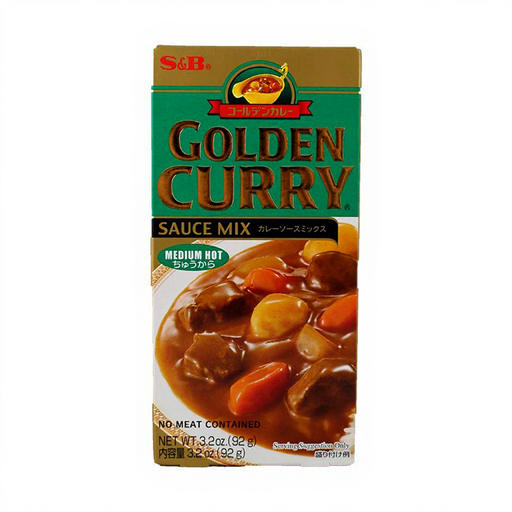
Why this fits the profile: The pack is designed for around 5 to 6 servings. Add water, vegetables and a source of protein for an accessible Japanese curry.
The preparation method is clearer than with a loose chilli sauce: this is a curry mix for a complete meal, not a dip or marinade.
Medium heat, 92g content and suitable for curry with rice or noodles.
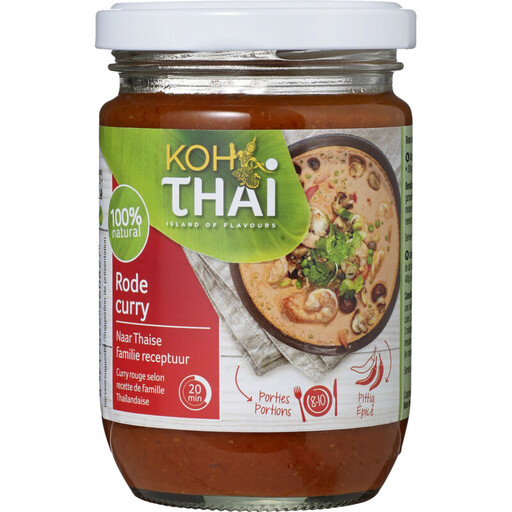
Why this fits the profile: If you care about ingredients and customisability, you can dose the amount of curry paste yourself and combine the sauce with coconut milk, vegetables or tofu.
The product information states to use about 2 tablespoons for 2 people, so you can build up the intensity step by step.
225g, red chilli as a base and listed as free from the 14 main EU allergens.
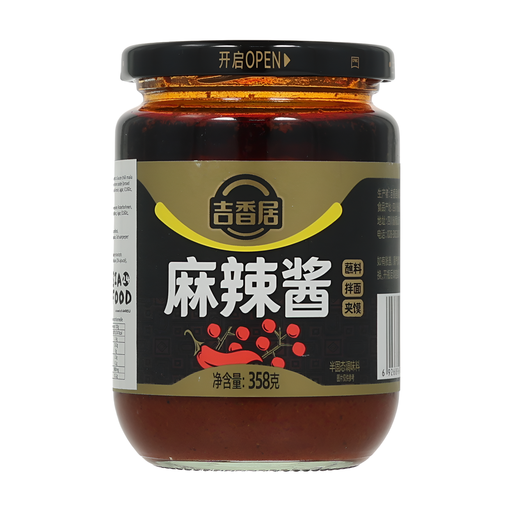
Why this fits the profile: This sauce is suitable for anyone who often prepares noodles, stir-fries, dips or hotpot and wants a distinctive Sichuan flavour.
The product description mentions 39% chilli and 2% Sichuan pepper and gives multiple uses. This means you can start with a small amount and dose the sauce precisely.
Large 358g pack, ready to use and suitable as a sauce for noodles, stir-fries and dips.
We’ve put together a full, up-to-date list of products that fully meet these strict selection criteria and comply with current European safety regulations.
First, fry vegetables, tofu or meat. Then add Thai red curry or Thai green curry and stir the paste in briefly. Add coconut milk and let everything simmer gently. Start with a small amount of curry paste and add more later if needed.
Japanese curry is often made with a roux or curry spice mix. The sauce is usually thicker and is frequently served with rice. Thai curry typically uses curry paste with ingredients like lemongrass, galangal and kaffir lime, often complemented with coconut milk. The flavour and preparation method are therefore clearly different.
That depends on the brand and packaging. Store an opened curry paste according to the instructions, usually refrigerated and tightly sealed. Check the smell, colour and texture before using the product, and always follow the best-before information on the label.
