
Vandaag of morgen in huis

Kwaliteit gegarandeerd

Welkomstaanbiedingen ontgrendelen: GRATIS bezorging | Tot 80% korting | Gratis 30 dagen JoyPlus-proefperiode
Download de app
A bottle of Chinese soy sauce, a jar of Thai curry paste or a tube of chilli sauce may seem straightforward to choose. In reality, products vary considerably in salt content, sweetness, uses and storage requirements. A large pack is not automatically better value if you only use the sauce a few times. And a product labelled “authentic” or “premium” does not necessarily give you a complete picture of its ingredients.
With this practical guide, you can focus on what really matters to home cooks in the Netherlands: ingredients, intended use, allergens, quantity and storage.
A 400 or 450-gram jar may seem appealing when you look at the price per gram. For someone who makes curry, stir-fries or marinades every week, that may be a sensible choice. If you only use the sauce occasionally, its quality may deteriorate after opening and much of the jar could go unused.
Pay attention to:
Light soy sauce is generally intended for seasoning and adding salt. Dark soy sauce is more often used to add colour and a deeper, sometimes sweeter flavour. According to the product description, Lee Kum Kee Premium Dark Soy Sauce is mainly used in stews, marinades and braised dishes. Use it sparingly, as its dark colour can quickly dominate a dish.
Chinese soy sauce, Japanese sukiyaki sauce and Maggi soy sauce are not automatically interchangeable. They can differ in their sugar, salt, wheat, flavour enhancers and fermentation.
Spiciness is not indicated in the same way by every brand. Korean gochujang, for example, combines chilli with sweetness and a fermented flavour, while chilli sauce may be mainly sweet, sour or garlicky. Check the ingredients and instructions for use rather than relying solely on the front of the packaging.
Many Asian sauces contain soya and wheat. This applies, for example, to Lee Kum Kee Premium Light Soy Sauce, Shinho Soybean Paste and several curry products. According to the product information, S&B Golden Curry Sauce Mix Mild contains wheat, among other ingredients; the ingredients list also mentions herbs and spices.
Always check the current packaging for:
Product descriptions can change. The information on the label of the product you receive is therefore the definitive source.
Sauces are often used in small quantities, but may contain relatively high levels of salt or sugar per 100 grams or 100 millilitres. For example, Lee Kum Kee Premium Light Soy Sauce contains 18 grams of salt per 100 millilitres. According to the product information, Daisho Sukiyaki Sauce contains 32 grams of sugar per 100 grams.
This does not mean you need to avoid these products. It does help to use them in moderation and add flavour to the rest of the dish with ingredients such as vegetables, rice, noodles, garlic, ginger or lime.
Choose a sauce based on the dish you are preparing:
Many products need to be refrigerated after opening. This applies to various soy sauces, bean pastes and curry pastes. Use a clean spoon and close the jar or bottle immediately after use.
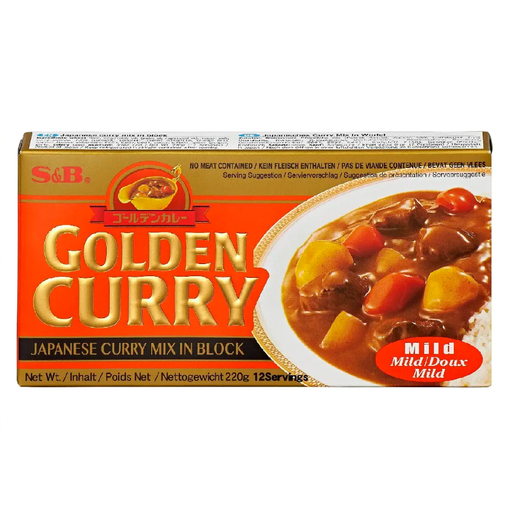
Why it suits this profile: The mix is easy to prepare with water, vegetables and a protein source of your choice. The pack is designed for several portions and works well in curry served with rice or noodles.
The clear preparation instructions mean you do not need to buy several separate herbs and sauces. However, check the listed allergens: the mix contains wheat.
Mild 220-gram variety; suitable for family meals and easy to portion.
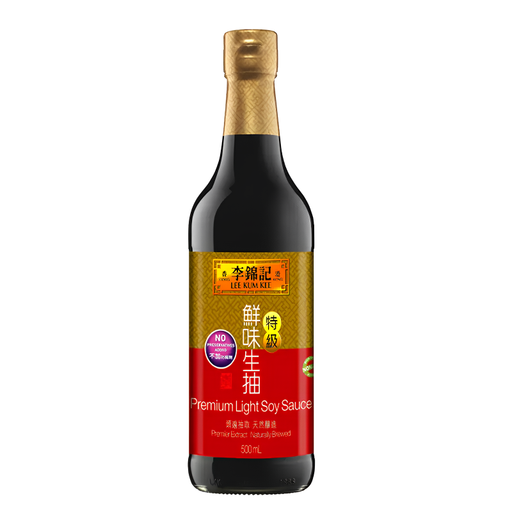
Why it suits this profile: This light soy sauce is useful for dipping, marinades and cooking. According to the product information, the sauce is made with soya beans and wheat, and the bottle contains 500 millilitres.
The product description gives several suggested uses and lists allergens and nutritional values. This allows you to portion the sauce more precisely.
500 millilitres; suitable for everyday stir-fries, marinades and use as a dipping sauce.
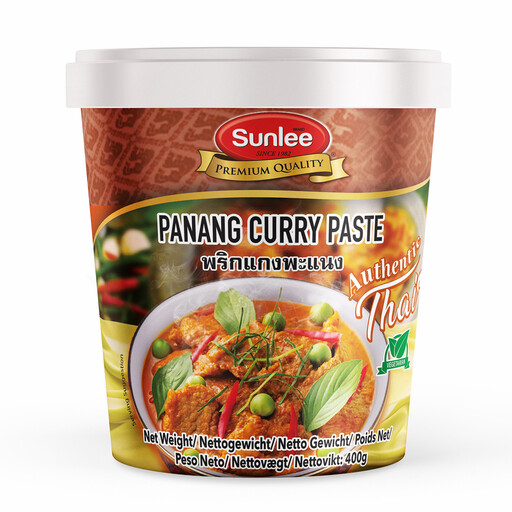
Why it suits this profile: The generous jar is practical for anyone who regularly makes Thai curry, soup, stir-fries or marinades. According to the product information, the paste contains ingredients including chilli, lemongrass, galangal and kaffir lime.
The ingredients list makes it clear which flavourings are already included in the paste. This means you do not need to buy several unnecessary spice mixes. According to the product information, the jar must be refrigerated after opening.
400 grams; according to the description, vegan and free from artificial colourings and preservatives.
We have put together a complete, up-to-date list of products that fully meet these strict selection criteria and the applicable European safety regulations.
For Chinese dishes, in addition to light and dark soy sauce, you could also consider Shinho Soybean Paste 150g or CBL Congbanlv Soybean Paste 450G. According to the product information, these bean pastes are suitable for stir-fries, stews and dips. For both products, look out for soya and wheat allergens.
For Japanese dishes, a curry mix and sukiyaki sauce are different products. According to the label, Daisho Japanese Sukiyaki Sauce combines ingredients including soy sauce, mirin and sugar. S&B Golden Curry is a solid curry mix that you prepare with water, vegetables and a protein source.
If you are looking for Korean flavour, Ajumma Republic Gochujang Hot Pepper Paste can be used for marinades, sauces, stews and stir-fries. For Vietnamese and Thai dishes, CHINSU Chili Sauce and Sunlee Sweet Chilli Sauce are practical options for dips, spring rolls, snacks and marinades. When choosing chilli sauce, pay particular attention to the sugar content and the level of heat you want.
Light soy sauce is mainly intended to season and add salt to dishes. Dark soy sauce adds more colour and a deeper flavour. Dark soy sauce is usually used in smaller quantities, and you should always check the label.
Follow the instructions on the packaging. Many soy sauces, bean pastes and curry products need to be refrigerated after opening. Use a clean spoon, close the packaging securely and check the smell, colour and best-before information before use.
A mild Japanese curry mix is an easy option because the base has already been blended for you. For everyday cooking, light soy sauce is versatile: you can use it in stir-fries, marinades and dips. Start with small quantities and add more to taste later.
