
Vandaag of morgen in huis

Kwaliteit gegarandeerd

Welkomstaanbiedingen ontgrendelen: GRATIS bezorging | Tot 80% korting | Gratis 30 dagen JoyPlus-proefperiode
Download de app
A jar of Asian sauces and curry paste can add plenty of flavour to a quick stir-fry, marinade or curry. Yet not every sauce is equally versatile. Some products contain mostly sugar and salt, while the packaging suggests a distinctly authentic taste. Others come in large jars but are barely used after one meal.
So don’t just focus on the country of origin or attractive product claims. Instead, look at the ingredients, allergens, portion size, preparation method and storage instructions. This way, you’ll avoid buying the wrong product and choose a flavouring that fits your cooking routine.
Words like authentic, traditional and restaurant-style don’t mean much on their own. According to the product description of some brands, they use traditional recipes or ingredients, but that’s a brand claim and not an independent guarantee of a particular flavour.
So check the ingredients instead. With a Thai curry paste, for example, look out for lemongrass, galangal, chilli, garlic and kaffir lime. With Korean gochujang, fermented soya, rice or grains and red pepper are relevant. For Chinese sauces, fermented beans, soy sauce, garlic or pepper often tell you more than the front of the packaging.
A 400g or 900g jar may seem good value, but it’s only practical if you regularly cook with stir-fry sauce, oyster sauce or curry. For occasional use, a smaller pack like Mapo Tofu sauce or a portion of red curry paste can be more convenient.
Also pay attention to the instructions after opening. Many sauces need to be refrigerated. A product with a long shelf life before opening isn’t automatically long-lasting once you’ve opened it.
Asian sauces often contain soya, wheat/gluten, peanuts, sesame, shellfish or molluscs. Oyster sauce, for example, contains oyster extract, while Mae Ploy Panang curry paste contains shrimp paste. Not every vegetarian sauce is also gluten-free.
Also check the salt and sugar content. That helps you compare sauces fairly. Use a salty sauce in smaller amounts and add extra salt later.
The ingredients list is in descending order by quantity. If sugar or salt appears near the top, it makes up a significant part of the product. With gochujang, the sugar content can be relatively high; the available product information states more than 22g of sugar per 100g for some varieties.
For vegans and vegetarians, mushroom sauces are a practical alternative to oyster sauce. LEE KUM KEE Mushroom Vegetarian Stir Fry Sauce is made with mushroom extract according to the product description and contains no animal ingredients. The sauce does contain soya and wheat, so always check the label.
Not every flavouring is ready to eat straight away. A stir-fry sauce like Go-Tan Teriyaki Wok Sauce can be combined with vegetables, meat or fish according to the usage instructions. The guideline given is 80ml of sauce for two portions, with roughly 200g of protein and 400g of vegetables.
A curry paste works differently. Thai paste is usually briefly fried and then diluted with coconut milk. For Mae Ploy Panang Curry Paste, for example, the preparation method uses 50g of paste and 400g of coconut milk. A Tom Yum paste is often dissolved in water or stock and combined with noodles, seafood or vegetables.
Compare the content with how often you use the product. A 170g jar of Korean gochujang is suitable if you occasionally make bibimbap, marinades or spicy soups. For a family that stir-fries weekly, 510g of vegetarian stir-fry sauce may be more practical.
After opening, check the packaging for the exact storage period. Products like Char Siu Sauce and several curry pastes need to be refrigerated after opening. Always use the date and storage instructions on the physical label as a guide.
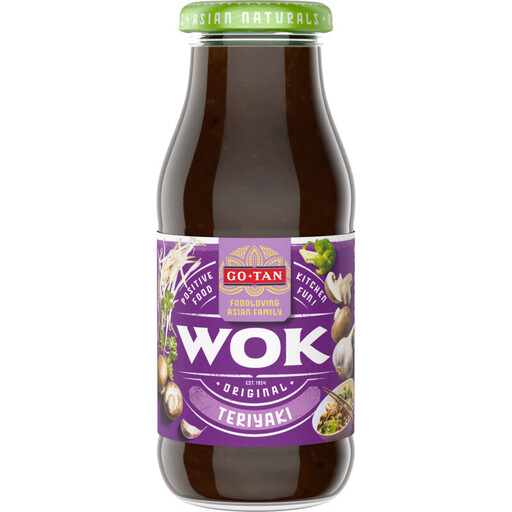
Why this fits the profile: The sauce is designed for quick stir-fry dishes and comes in a manageable 240ml pack. Handy if you want to start with just a few ingredients.
The usage instructions give a specific amount per two portions. That means you don’t have to guess how much sauce to use from a large jar.
Vegetarian according to the product information; suitable for stir-frying, marinating, as a sauce and as a dressing.
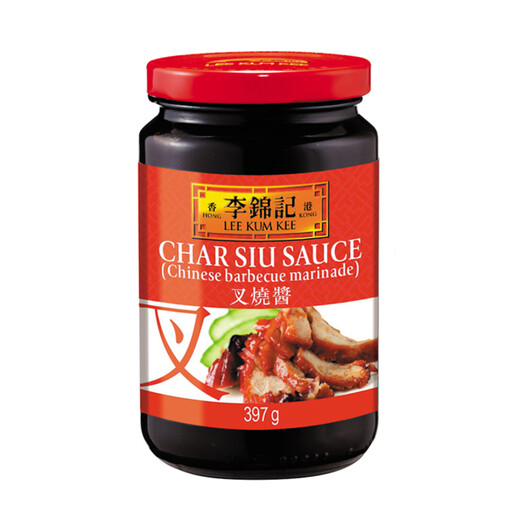
Why this fits the profile: Ideal for anyone who wants to make authentic Cantonese barbecue dishes and needs a sauce that works both as a marinade and a glaze.
The product information specifies an amount for 500g of pork and describes marinating and basting separately. That makes the usage easy to follow.
397g content; suitable for oven, air fryer, grill or pan; contains soya and wheat, clearly stated in the allergens.
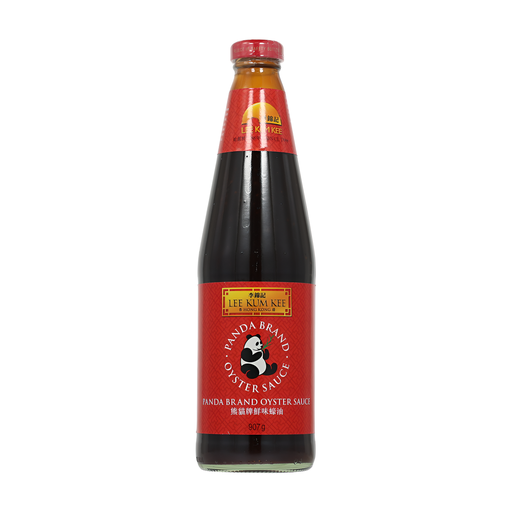
Why this fits the profile: A generous pack for anyone who frequently uses Chinese sauces in stir-fries, marinades and dips.
The large content only makes sense with regular use. The product information also lists soya and wheat and advises refrigeration after opening.
907g content; suitable for stir-frying, marinating and dipping; contains oyster extract and is therefore not vegetarian.
We’ve put together a full, up-to-date list of products that fully meet these strict selection criteria and comply with current European safety regulations.
A ready-to-use stir-fry sauce like teriyaki sauce or sweet and sour sauce is practical. Add the sauce according to the pack instructions to vegetables, noodles, meat, fish or tofu. Do check the sugar and salt content and look out for soya and wheat.
Always follow the label. Many products need to be refrigerated after opening. Use a clean spoon, seal the jar properly and check the smell, colour and texture before using the sauce. The best-before date on the packaging remains the guide.
Choose a product that is explicitly labelled vegetarian or vegan and check the allergen list. A mushroom stir-fry sauce can be an alternative to oyster sauce. With Thai curry pastes, pay extra attention to shrimp paste, as it appears in red, Panang or some other curry varieties.
