
Vandaag of morgen in huis

Kwaliteit gegarandeerd

Welkomstaanbiedingen ontgrendelen: GRATIS bezorging | Tot 80% korting | Gratis 30 dagen JoyPlus-proefperiode
Download de app
A jar of Asian sauce may seem like a simple purchase, but the difference between a handy flavour enhancer and a disappointing buy often lies in the details. Is the sauce intended for rice, noodles, stir-fries or dipping? How spicy is it really? And is the product suitable for a vegetarian or vegan diet?
There are three common pitfalls when buying Asian sauces and curries:
A ready-made curry sauce is ideal when you want to prepare a meal quickly. According to the product description, S&B Curry Sauce with Vegetables Hot 210g only needs to be heated before being poured over rice or noodles. It contains pieces of carrot, potato and onion.
A curry paste works differently. You usually fry it briefly before combining it with ingredients such as coconut milk, vegetables, tofu or meat. Paste gives you more control over the thickness and intensity of the finished dish. For Thai dishes, yellow curry paste can provide a practical base; Japanese curry is often made with a thicker spice mixture or curry block.
For stir-fries, a Chinese sauce, mushroom sauce, soy sauce or stir-fry sauce is a better choice. Sukiyaki sauce is mainly intended to provide the sweet and savoury flavour of Japanese hotpot dishes, but it can also be used with stir-fries and noodles. Topokki sauce is designed for Korean rice cakes and typically combines sweetness with heat.
Do not just look at the front of the packaging. Pay attention to:
According to the product description, Lee Kum Kee Vegetarian Oyster Flavour Sauce is made without oysters and intended for vegetarian and vegan dishes. However, the ingredients do include soya. Lee Kum Kee Mushroom Vegetarian Stir Fry Sauce also contains soya and wheat. “Vegan Asian sauce” therefore does not automatically mean gluten-free or allergen-free.
A pack of 180 to 260 grams is convenient if you only cook Asian food occasionally. Large bottles of 500 to 800 grams are more appealing for households that stir-fry, marinate or use sauces as a base every week.
Also check the storage instructions. According to the product information, Ji Xiang Ju Shiitake Mushroom Sauce Original Flavor 240g must be refrigerated after opening and used within seven days. Haday Signature Soybean Sauce 800g must also be refrigerated after opening. Always use the date and instructions on the packaging as your guide; product information on a webshop may change.
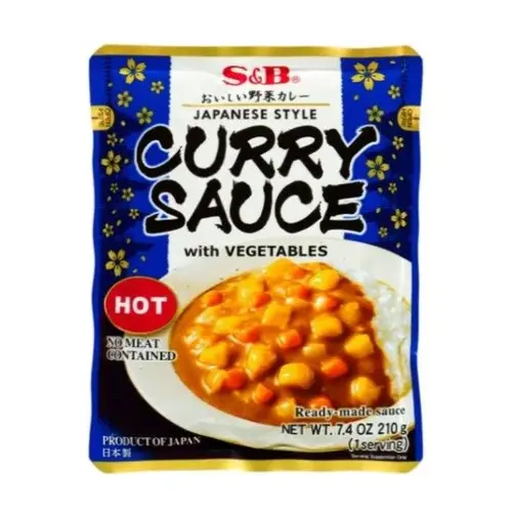
Why it suits this profile: This ready-made Japanese curry requires very little preparation. Heat the pouch and serve the sauce with rice or noodles.
The contents and preparation method are clearly described. The pack contains vegetables, so you do not necessarily need any extra ingredients.
210 grams, ready to use and containing carrot, potato and onion. It does contain wheat and soya.
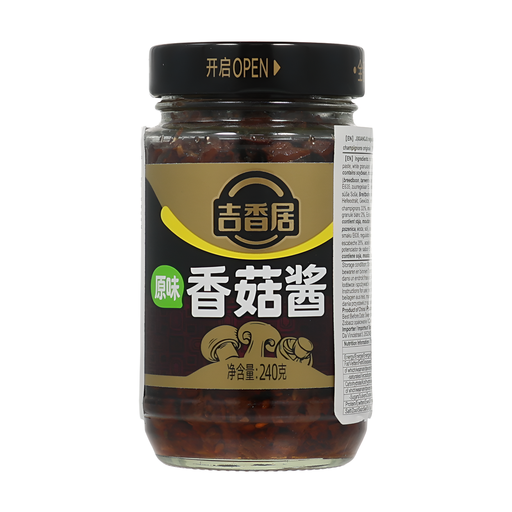
Why it suits this profile: Ideal if you are looking for a concentrated umami flavour for rice, noodles, dumplings and stir-fries.
The mushroom content is stated as 33%. This makes it easier to compare the ingredients with a sauce that only gives a general mushroom flavour description.
Ready to use and suitable as a dip, marinade or base for stir-fries. Contains soya, wheat and sesame.
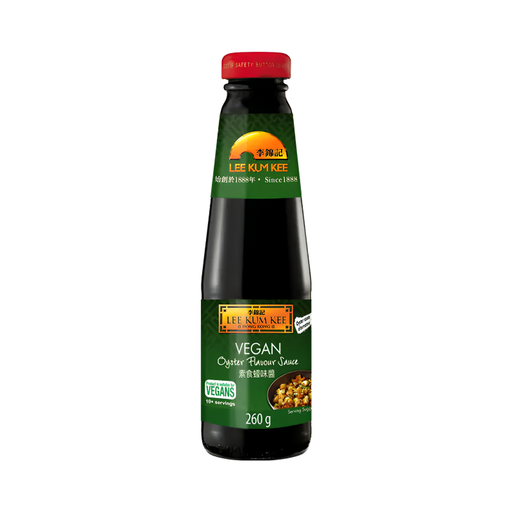
Why it suits this profile: According to the product description, this sauce was developed as an alternative to oyster sauce and is suitable for tofu, vegetables, noodles and stir-fries.
The product information explicitly mentions vegetarian and vegan use. Nevertheless, check the current label and allergen information before buying.
260 grams and ready to use. Contains soya and, according to the nutritional information, has 4,500 mg of sodium per 100 grams.
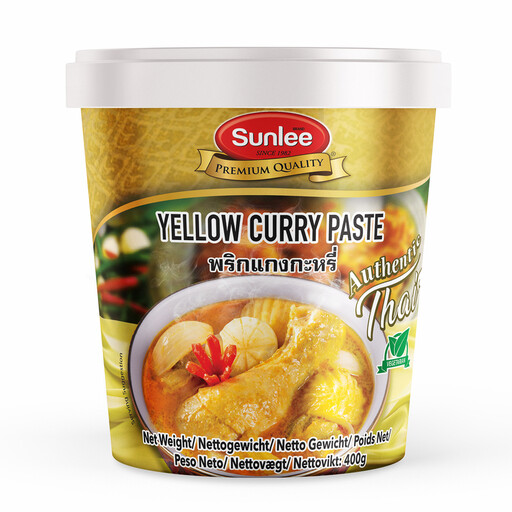
Why it suits this profile: The 400-gram jar is practical for families, meal prep and home cooks who regularly make Thai curry.
The product description states that it is vegan, vegetarian and gluten-free. However, the allergen list mentions soya, peanuts, sesame and nuts, so read the label carefully.
Large pack, seasoned with turmeric and suitable for preparing with coconut milk and vegetables.
We have compiled a complete, up-to-date list of products that fully meet these strict selection criteria and the applicable European safety regulations.
For quick meals, ready-made curry sauce, mushroom sauce or vegetarian oyster sauce are practical choices. Soy sauce or sukiyaki sauce works well as a flavour enhancer, but add it gradually because of its salt content. For Korean dishes, topokki sauce is particularly suitable for tteokbokki, noodles and spicy stir-fries.
This varies from product to product. Some sauces can be kept in the fridge for several weeks after opening, while others must be used within seven days. Seal the jar tightly, use clean utensils and always follow the storage instructions on the packaging. If you notice an unusual smell, discolouration or damaged packaging, it is best not to use the product.
Check that the label explicitly states vegan or vegetarian, and also look for allergens. According to their product descriptions, Lee Kum Kee Vegetarian Oyster Flavour Sauce and Sunlee Vegan Yellow Curry Paste are suitable for vegan use. Remia satay sauce is also plant-based, but contains peanuts, soya and lupin. Checking the allergens is therefore just as important as choosing a vegan label.
