
Vandaag of morgen in huis

Kwaliteit gegarandeerd

Welkomstaanbiedingen ontgrendelen: GRATIS bezorging | Tot 80% korting | Gratis 30 dagen JoyPlus-proefperiode
Download de app
Trying Asian cuisine at home has never been easier. But a stroll down the sauce aisle, whether online or in-store, can be overwhelming. Bottles with unfamiliar names and ingredients promise an "authentic" taste but don't always deliver. The result? A Pad Thai that's too sweet, or a marinade that completely misses the mark.
Many home cooks fall into the same traps. They buy a sauce based on a vague description and end up with a product that doesn't suit their dish. Or worse, a sauce loaded with sugar and salt that completely overpowers the dish's subtle flavours. Another common misstep is confusing sauces that look similar but have entirely different functions. This leads to disappointment and unnecessary waste.
This guide will help you avoid these pitfalls. We'll explain what to look for, so you can confidently choose the right bottle for your next culinary adventure.
Before you put a bottle in your basket, there are a few key points that can make the difference between a successful dish and a disappointment. By paying attention to these, you can filter out the marketing jargon and choose based on what's actually inside the bottle.
Most Asian sauces have a distinct base that defines their flavour profile. It's crucial to know the difference:
Not every sauce is universal. Its origin says a lot about the flavour profile and its intended use.
By matching the sauce to the cuisine you're cooking, you'll get closer to the authentic flavour you're looking for.
To get you started, we've highlighted some popular choices and matched them with different types of home cooks.
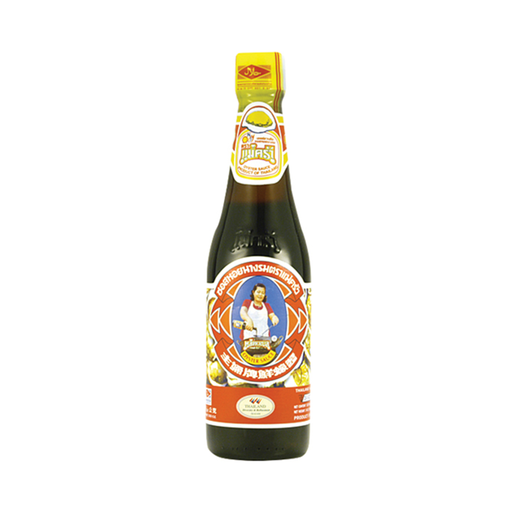
Why This Fits Their Persona: This is a pantry workhorse. Perfect for those starting with stir-fries who need a reliable, versatile flavour enhancer that isn't too overpowering. Ideal for noodles, vegetables, and chicken.
Maekrua is a well-known Thai brand, which helps avoid the trap of a 'Westernised' flavour. Its function is clear (stir-frying, marinating), so you're unlikely to go wrong.
Made with 30% oyster extract for a deep, savoury flavour. It adds a beautiful gloss to dishes without being overly salty.
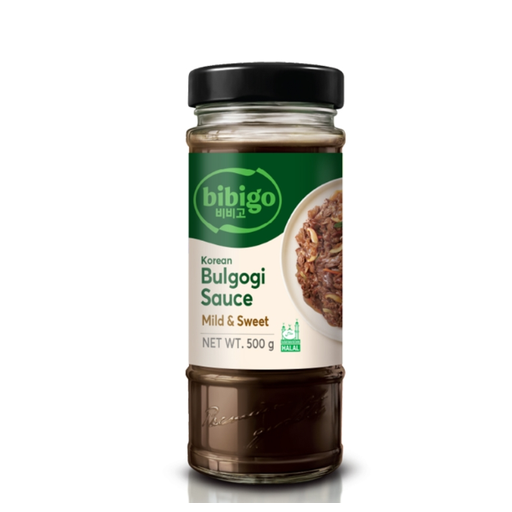
Why This Fits Their Persona: For anyone who wants to experience the authentic taste of Korean barbecue at home without having to make a complex marinade from scratch. Ideal for thinly sliced beef (bulgogi).
This is a specific bulgogi sauce, so there's no room for confusion. Bibigo is a leading Korean brand, which guarantees an authentic flavour profile.
Contains Korean pear and apple puree for a natural, balanced sweetness. A complete marinade that's ready to use right out of the bottle.
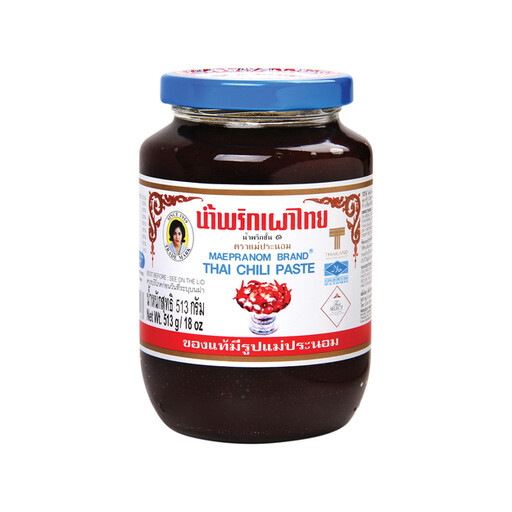
Why This Fits Their Persona: For the cook who is looking for depth and complexity. This paste is not just spicy, but also sweet, sour, and savoury. It's the secret flavour weapon in many Thai restaurants.
This is an authentic Thai chilli paste (Nam Prik Pao), not a simple sweet chilli sauce. It delivers the layered flavour that many generic sauces lack.
Made with dried shrimp, tamarind, and garlic for unparalleled depth. Essential for an authentic Tom Yum soup or as a base for a spicy barbecue dipping sauce.
We've curated a complete, up-to-date list of products that meet these selection criteria.
Light soy sauce is thinner, lighter in colour, and saltier. It is primarily used to season dishes without significantly altering their colour. Dark soy sauce is aged longer, often with added molasses or caramel, which gives it a thicker texture, darker colour, and a richer, less salty flavour. It is mainly used to add colour and depth to stews and marinades.
Thanks to its high salt content, an opened bottle of fish sauce can be stored for a very long time in the pantry, often for a year or more. The flavour may become slightly more intense over time. Oyster sauce has a shorter shelf life. Once opened, it should be refrigerated and it's best to use it within 3 to 6 months to ensure quality. Always check the label for specific storage instructions.
Absolutely. Although bulgogi sauce is traditionally used for beef, it is a highly versatile marinade. Its sweet and savoury flavour works wonderfully with chicken (for 'dak bulgogi'), pork, or even firm vegetables like mushrooms and bell peppers. It's an easy way to quickly add a delicious Korean flavour to a variety of ingredients.
