
Vandaag of morgen in huis

Kwaliteit gegarandeerd

Welkomstaanbiedingen ontgrendelen: GRATIS bezorging | Tot 80% korting | Gratis 30 dagen JoyPlus-proefperiode
Download de app
Asian sauces can quickly transform a simple stir-fry, marinade or noodle dish into something far more flavourful. Choosing the right one is not always straightforward, however. A bottle may look authentic while its formula consists mainly of sugar, salt or thickeners. Packaging can also be considerably larger than necessary for an average household.
With this buying guide to Asian sauces, you can compare flavour, applications, ingredients, allergens and pack size. This makes it easier to find the right oyster sauce, hoisin sauce, soy sauce, sweet chilli sauce, teriyaki sauce, kecap manis, gochujang or another Chinese, Thai, Japanese or Korean sauce.
A name such as stir-fry sauce, Chinese sauce or Japanese sauce does not always refer to a fixed recipe. Teriyaki sauce, for example, can vary in sweetness, thickness and in whether it contains mirin. Check the ingredients and recommended uses rather than relying solely on the label or the flag shown on the packaging.
A bottle containing 810 g, 970 g or even 4.5 litres may make sense for a large family, restaurant or catering kitchen. For occasional use, however, an opened sauce can take up a great deal of space. You should also consider the storage instructions. Many sauces need to be refrigerated after opening.
Brands can use their own flavour descriptions, but terms such as rich, traditional or authentic do not guarantee a particular taste. Instead, look for verifiable information such as the percentage of oyster extract, the first ingredients in the list, nutritional values and allergens.
Ingredients are generally listed in descending order by weight. With kecap manis, sugar is often one of the main ingredients, which matches its sweet, syrupy flavour. According to the product information, ABC Sweet Soy Sauce contains ingredients including sugar, soy extract, water, salt and wheat. The nutritional information lists 60 g of sugars per 100 ml.
With gochujang, look for chilli, rice or wheat flour, fermented soybeans and sweeteners. According to the product information, Delief Gochujang contains, among other ingredients, pepper spices, wheat flour, rice ingredients, soybeans and garlic. The sauce can be used in Korean dishes, marinades and dips.
For a deep, savoury flavour, oyster sauce and soy sauce are logical choices. The amount of oyster extract can vary significantly between products, however. Lee Kum Kee Panda Oyster Sauce lists 3% oyster extract, while Maekrua Oyster Sauce lists 30%. This is an objective difference worth including in your comparison.
Always check the label for soy, wheat, gluten, sesame, molluscs and sulphites. Soy sauce, hoisin sauce, teriyaki sauce and many stir-fry sauces often contain soy and wheat. Oyster sauce generally contains oyster extract and is therefore unsuitable for a vegan diet.
Also look out for cross-contamination. Tan Tan Xiang Chao Tian Chilli Sauce Garlic-Flavoured, for example, states that the product contains soy and may contain celery, mustard and sesame because it is produced on shared production lines. The current packaging remains the definitive source, as recipes and labels can change.
A small bottle is practical when trying a sauce for the first time or when you only prepare Asian dishes occasionally. A larger pack is better suited to daily stir-frying or professional use.
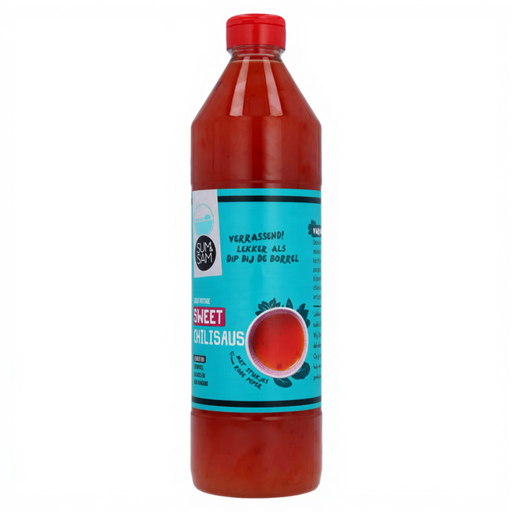
Why it fits: A versatile sweet chilli sauce for dips, snacks and straightforward stir-fries. The generous pack size is suitable for regular use at home.
The ingredients list states that it contains 4% chilli pepper. This gives you a better indication of the heat level than the product name alone.
700 ml pack size and, according to the product information, none of the 14 major EU allergens.
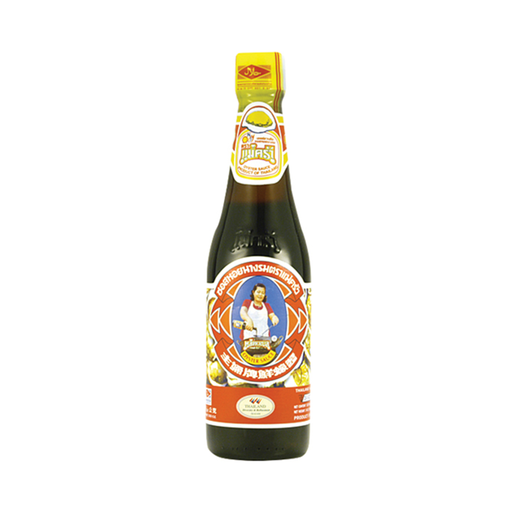
Why it fits: Suitable for home cooks who use oyster sauce in stir-fries, marinades and as the base for a dipping sauce.
The product lists 30% oyster extract. This makes its formula easy to compare with variants that state a lower percentage.
600 ml pack size; the product information identifies oyster extract, soy sauce and wheat as relevant ingredients.
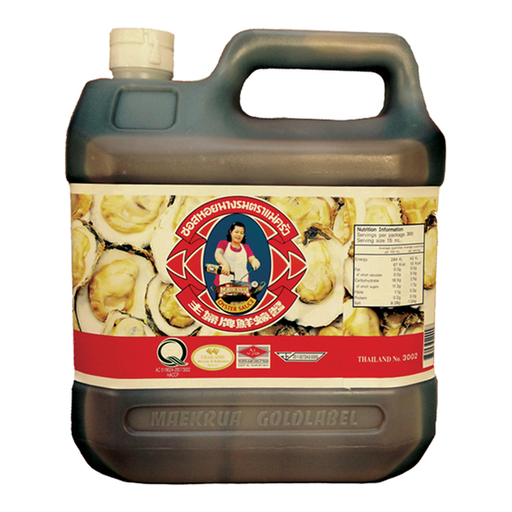
Why it fits: A bulk pack for restaurants, catering operations, large families and kitchens where stir-frying is part of the daily routine.
The large pack only makes sense if consumption is high. Check your storage capacity, shelf life and refrigeration requirements after opening in advance.
4.5-litre capacity, suitable for stir-fries, marinades, dipping sauces and larger-scale preparation.
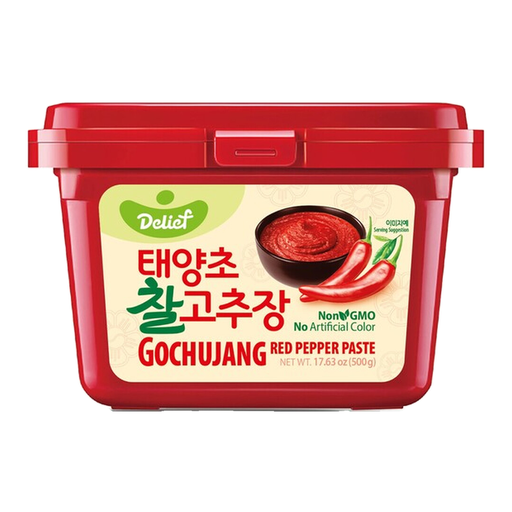
Why it fits: Gochujang works well in Korean marinades, bibimbap, noodle dishes and dips. The 500 g jar is well suited to regular use at home.
The product information identifies soy and wheat as allergens. Check the current packaging before use, particularly if you have dietary requirements.
500 g pack size and a formula containing pepper spices, rice ingredients, soybeans and garlic.
For a sweet-and-savoury Indonesian flavour, consider ABC Sweet Soy Sauce (Kecap Manis) 620 ml. For Chinese dishes, Amoy Hoi Sin Sauce 575 g/460 ml, Healthy Boy Hoisin Sauce 280 g and Lee Kum Kee Hoisin Sauce 210 g offer different pack sizes.
If you are looking for a Japanese sauce, compare Obento Teriyaki Marinade 250 ml with Amoy Japanese Teriyaki Sauce 450 ml. For a straightforward soy sauce, Maggi Soy Sauce 300 ml is one option. Check the current ingredients list for every variant, as recipes can differ by market or packaging.
Explore a current selection of sauces for marinating, stir-frying, grilling and preparing Asian dishes.
It depends on the flavour you want. Oyster sauce adds a savoury umami character, soy sauce contributes saltiness and fermented notes, while hoisin or kecap manis brings extra sweetness. Start with a small amount and taste before adding more salt.
Always follow the label instructions. The product information for several of the sauces mentioned states that they should be refrigerated after opening, including chilli-garlic sauce, oyster sauce and teriyaki marinade. Keep the bottle tightly sealed and use a clean spoon to minimise contamination.
For occasional cooking, around 250 to 600 ml is generally manageable. If you stir-fry several times a week, consider a pack of 700 to 970 g. A 4.5-litre container is primarily intended for high-volume users. Do not compare price alone: also consider consumption, storage space and shelf life after opening.
