
Vandaag of morgen in huis

Kwaliteit gegarandeerd

Welkomstaanbiedingen ontgrendelen: GRATIS bezorging | Tot 80% korting | Gratis 30 dagen JoyPlus-proefperiode
Download de app
A jar of Asian sauces and flavourings can be a quick way to add more flavour to rice, noodles, curry or stir-fried vegetables. However, not all products are designed for the same purpose. A sweet Japanese sauce works differently from a hot sambal, while a curry paste usually needs extra ingredients such as coconut milk and vegetables.
The biggest buying mistakes often arise from three common pitfalls:
First decide what you want to use the flavouring for. For sauces for rice and noodles, ready-to-use options are practical. A Chinese stir-fry sauce, black bean sauce or vegetarian mushroom sauce can be added directly to a stir-fry.
A paste is more concentrated. Korean gochujang generally combines chilli, sweetness and fermented umami. Miso paste mainly adds savouriness to soups, marinades and dressings. Thai curry paste is usually fried briefly and diluted with coconut milk. So check the preparation method before ordering.
There are also differences between Japanese products. Japanese curry sauce in block or mix form is generally prepared with water, vegetables and optionally meat or tofu. Sukiyaki sauce, on the other hand, is intended as a sweet and savoury base for hotpot, stir-fries or use as a dipping sauce.
Check the ingredients list, not just the front of the packaging. Pay particular attention to:
If a brand states that a product is vegan, vegetarian or “free from artificial additives”, treat this as the manufacturer’s product information and check the ingredients on the label. The composition may change.
Choose the quantity based on how often you cook. A 170 to 225 gram pack is suitable for occasional use. Formats of 350 to 500 grams are more convenient for weekly meals. If you cook frequently or prepare food for several people, consider 570 or 800 grams.
Also check the storage instructions. Many products can be stored unopened at room temperature, but must be refrigerated after opening. Always follow the use-by or best-before information and seal the packaging properly.
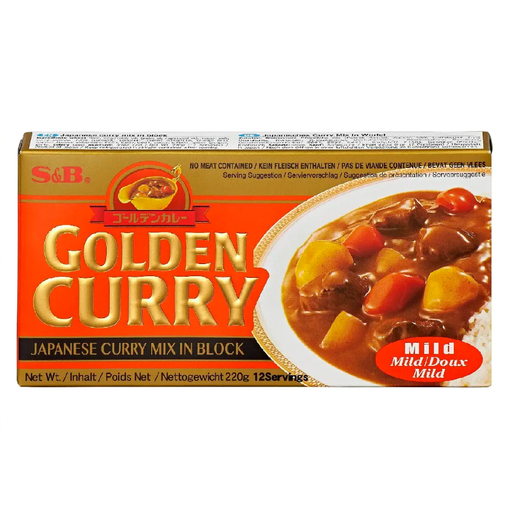
Why it suits this profile: The mix is intended for several portions and requires simple preparation with water, vegetables and a protein source of your choice. This makes the Japanese curry sauce an accessible option for a first curry meal.
The preparation method and serving size are clearly described. Do note that the ingredients list includes wheat and that the product contains salt and flavour enhancers.
220 grams for several meals; suitable for curry with rice or noodles; mild variety according to the product name.
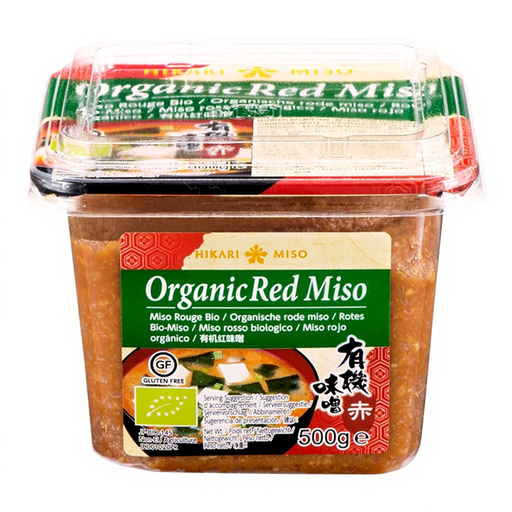
Why it suits this profile: According to the product description, this red miso is fermented from soya beans and rice. The paste can be used in soups, marinades, sauces and stir-fries.
The 500 gram pack is suitable for regular use. However, check the salt content and the presence of the soya allergen before ordering.
500 grams; suitable for a range of dishes; ingredients list featuring soya beans, rice, salt, water and koji.
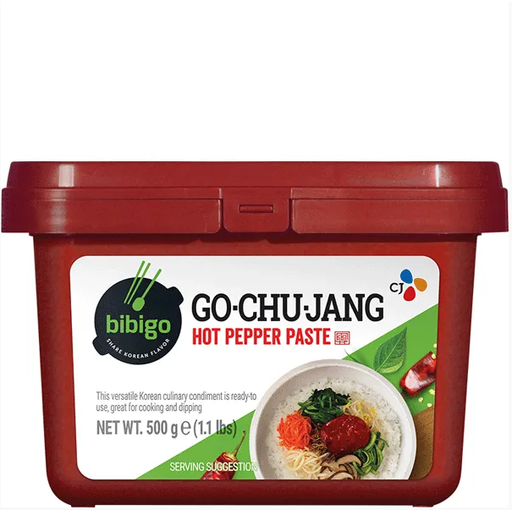
Why it suits this profile: The 570 gram pack is suitable for anyone who regularly makes Korean dishes. According to the product description, this gochujang is vegan and can be used in marinades, stews, dressings, stir-fries and with tofu.
The product information explicitly states that it contains no animal products. Nevertheless, check the label for wheat and soya; both are listed in the allergen information.
570 grams; vegan according to the product description; suitable for bibimbap, noodles, rice, tofu and vegetables.
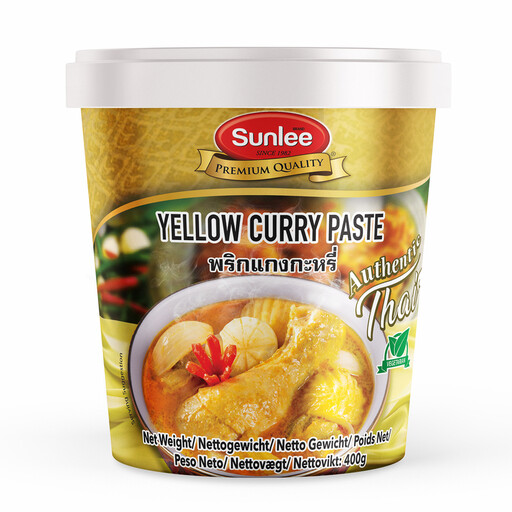
Why it suits this profile: According to the product description, this vegan curry paste is intended for Thai dishes. Stir the paste into coconut milk with vegetables, tofu or a plant-based protein source.
The product information states that it has a vegan recipe and contains 400 grams. Check the allergen information, as soya, peanuts, sesame and nuts are listed.
400 grams; vegan according to the product description; suitable for curry, stews, marinades and soups.
We have put together a complete, up-to-date list of products that fully meet these strict selection criteria and the applicable European safety regulations.
With a single flavouring, you can take your cooking in several directions:
A mild Japanese curry mix is easy to prepare because the base is already included in the mix. For greater flexibility, miso is a good choice: you can use a small amount to add flavour to soup, a marinade or a stir-fry sauce. With both products, however, check the allergens and salt content.
Always follow the label. Many opened pastes and sauces need to be stored in the fridge. Seal the jar tightly and use clean utensils to prevent contamination. The date shown on the packaging remains the definitive guide.
No. Some products contain fish, crustaceans or animal-derived flavourings. Only choose a vegan or vegetarian product when this is clearly stated on the packaging or in the ingredients information. Also check for cross-references to allergens such as soya, wheat, sesame and nuts.
