
Vandaag of morgen in huis

Kwaliteit gegarandeerd

Welkomstaanbiedingen ontgrendelen: GRATIS bezorging | Tot 80% korting | Gratis 30 dagen JoyPlus-proefperiode
Download de app
A bottle of Asian sauce in the cupboard can add plenty of flavour to a quick stir-fry, noodle dish or marinade. Yet sauces on the shelf often look more similar than they really are. Oyster sauce is not the same as fish sauce, and hoisin sauce works differently from soy sauce for fish.
If you focus only on eye-catching packaging or words such as “premium”, you may end up buying a sauce that is too sweet, too salty or unsuitable for the dish you have planned. With these practical points to consider, you can compare Chinese sauces, Thai sauces, Japanese sauces and other Asian flavour enhancers using verifiable information.
A bottle containing 600 to 900 grams may seem appealing to frequent users, but a sauce that you only use a few times a month can remain open for a long time. So check the net quantity, recommended use after opening and storage instructions.
A large bottle is particularly suitable for households that often make stir-fries, marinades or dipping sauces. For occasional use, a smaller bottle may be more practical.
Marketing terms such as “authentic”, “rich” or “premium” do not precisely describe how a product tastes. Look at the ingredients. With oyster sauce, it is relevant to see how much oyster extract is listed. With fish sauce, the percentage of fish, such as anchovies, provides more context about the product.
According to information provided by the brands themselves, traditional production methods or selected ingredients may contribute to the flavour. This is a brand claim, not a guarantee that the product will suit your personal taste. Always compare the ingredients, allergens and nutritional values on the label.
Many Asian sauces contain soya, wheat, gluten, sesame, fish or shellfish. This includes oyster sauce, hoisin sauce and some dipping sauces. Check the allergen information, particularly when cooking for several people.
Also look out for warnings such as “may contain traces of”. The current packaging remains the definitive source of information, as formulations can change.
Asian flavour enhancers are generally used in small quantities, but they can contain relatively high levels of salt or sugar. Oyster sauce or fish sauce with a higher salt content needs to be added carefully. With sweeter sauces, such as hoisin or kabayaki sauce, the sugar content is also relevant.
Use the nutrition table to compare products fairly. Do not look only at the front of the packaging.
A thick sauce clings well to vegetables, meat or noodles. A thin sauce mixes more easily into a dressing or stock. Also check whether a product can be used straight away or needs to be diluted or heated first.
For example, according to the product information, Lee Kum Kee Steam Fish Soy Sauce is intended to be heated briefly and then poured over steamed fish. According to the instructions, RISHIJI dipping sauce can be poured directly over cooked ingredients and left to infuse for around ten minutes.
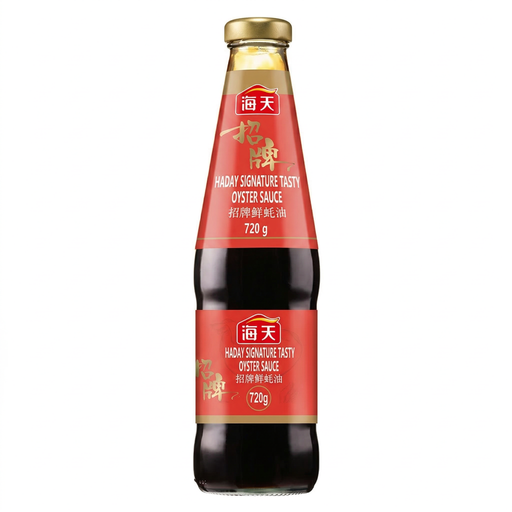
Why it suits this profile: The large bottle is practical if you regularly make stir-fries, marinades or dipping sauces and want one versatile staple in your kitchen.
The product information clearly states the 720-gram quantity, its use as a cooking sauce or dipping sauce, and the need to refrigerate it after opening. Make sure you can use this size before it needs to be discarded.
720 grams; according to the label, suitable for stir-fries, braising, cold dishes and dipping. Contains oyster and has a salt content of 12 grams per 100 grams.
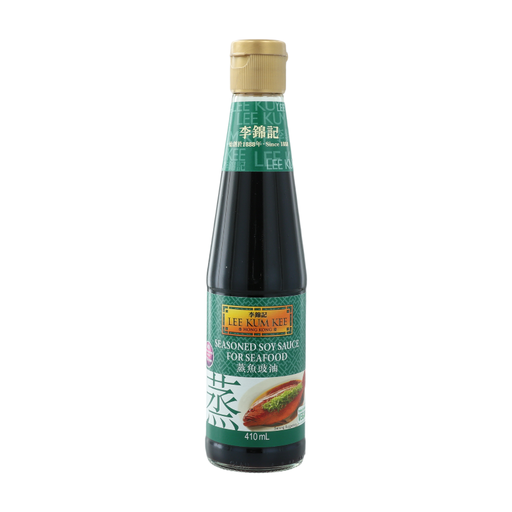
Why it suits this profile: This sauce is specifically designed for steamed fish and seafood, so you do not need to mix separate ingredients for a classic finishing touch.
The intended use is clearly described: heat briefly and pour over steamed fish. This makes it less likely that you will buy the wrong product because of incorrect usage.
410 ml; light in colour according to the product description; the ingredients list includes soya, wheat and yeast extract. The label states 12.75 grams of salt per 100 ml.
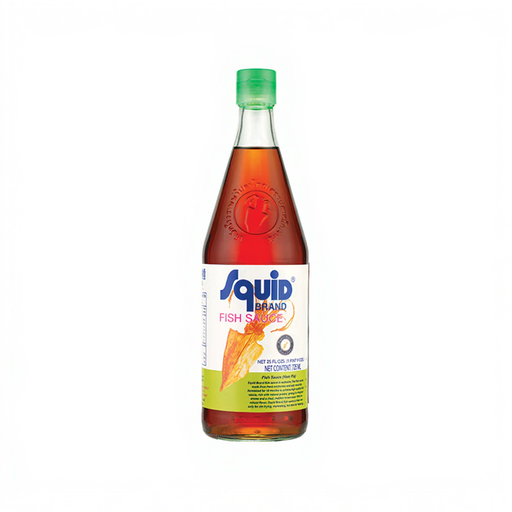
Why it suits this profile: The large bottle is intended for home cooks who regularly prepare Thai or Vietnamese dishes, marinades, soups and dressings.
The label states 77% anchovy and gives clear guidance on how to use it. This tells you that it is a strongly flavoured fish sauce, not a mild table sauce.
725 ml; ingredients include anchovy, salt and sugar; suitable for stir-fries, marinades, dipping sauces and soups. Contains fish.
We have put together a complete, up-to-date list of products that fully meet these strict selection criteria and the applicable European safety regulations.
For steamed fish, a special soy sauce for fish, such as Lee Kum Kee Steam Fish Soy Sauce, is a targeted choice. Fish sauce is better suited to marinades or Thai dishes. Seafood sauce can be useful when you want to finish boiled seafood or a cold salad straight away.
This varies from one product to another. Follow the information on the packaging and, if indicated, store the bottle in the fridge after opening. Check the smell, colour, texture and stated shelf life. Do not use a product if its packaging is damaged.
Oyster sauce adds a thick, savoury flavour to stir-fries and noodles. Hoisin sauce is a good choice when you want a sweeter, thicker sauce. Fish sauce works particularly well as a salty flavour enhancer in Thai or Vietnamese recipes. Start with a small amount and add more to taste.
