
Vandaag of morgen in huis

Kwaliteit gegarandeerd

Welkomstaanbiedingen ontgrendelen: GRATIS bezorging | Tot 80% korting | Gratis 30 dagen JoyPlus-proefperiode
Download de app
A bottle of Asian sauce may seem easy to choose, but the difference between a useful store-cupboard favourite and a disappointing purchase often comes down to small details. Are you looking for soy sauce, chilli sauce, sriracha, oyster sauce or a complete stir-fry sauce? Don’t just look at the packaging or words such as “authentic”. The flavour, intended use, quantity and allergens all determine whether a product is truly right for your kitchen.
Common pitfalls include:
Before buying, decide how you will use the sauce most often. For a quick stir-fry, a light soy sauce, stir-fry sauce or oyster sauce is useful. For dumplings, spring rolls and snacks, a ready-made dipping sauce is a better choice. A thicker sauce clings to ingredients more effectively, making it suitable as a glaze or marinade.
Examples:
The ingredients list gives you a better idea of what you are buying than the product name alone. Pay attention to the order: ingredients listed first are present in larger quantities. Also check the nutritional values per 100 grams or 100 millilitres, especially salt, sugar and, sometimes, fat.
For example:
A product without animal ingredients is not automatically free from gluten or soya. Therefore, always check the label on the packaging, especially if you have allergies or follow a specific diet. Product information may change.
For a household that cooks Asian food occasionally, a bottle of around 200 to 500 ml is often manageable. If you stir-fry several times a week, 600 to 1,000 ml may offer better value. Restaurants, caterers and large families may want to consider a bulk pack, such as a 4.5-litre bottle of oyster sauce.
Also pay attention to the storage instructions:
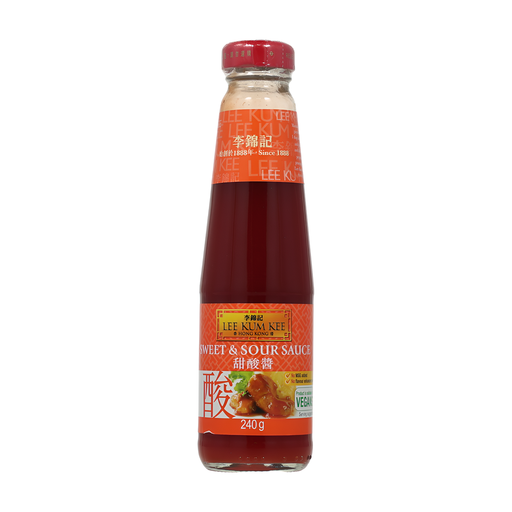
Why it suits this profile: A ready-to-use sweet and sour sauce for anyone who wants to prepare a meal or dip quickly without needing lots of ingredients.
The 240-gram size reduces the chance of being left with an unused bulk pack. The sauce is ready to use for cooking, dipping or glazing.
Tomato purée and pineapple juice are listed among the ingredients; contains soya and wheat.
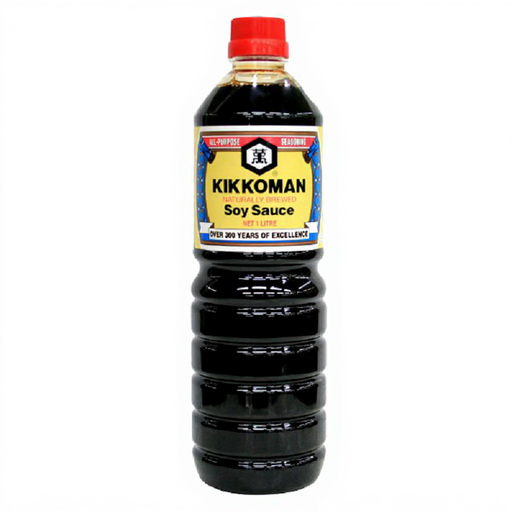
Why it suits this profile: Ideal for home cooks looking for one versatile base for Japanese sauces, marinades and noodle dishes.
The simple combination of water, soya beans, wheat and salt makes it clear that this is a basic soy sauce, not a ready-made sweet stir-fry sauce.
1-litre capacity; lists 10 grams of protein and 16.9 grams of salt per 100 grams.
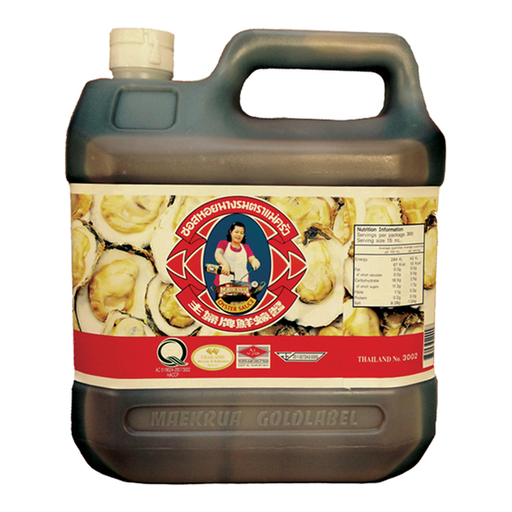
Why it suits this profile: Designed for restaurants, catering businesses, large families and kitchens where oyster sauce is used regularly.
The large size only makes sense for intensive use. It prevents smaller bottles from running out quickly during service or family gatherings.
4.5-litre capacity; the product information states that it can be used for stir-fries, marinades and dipping sauces.
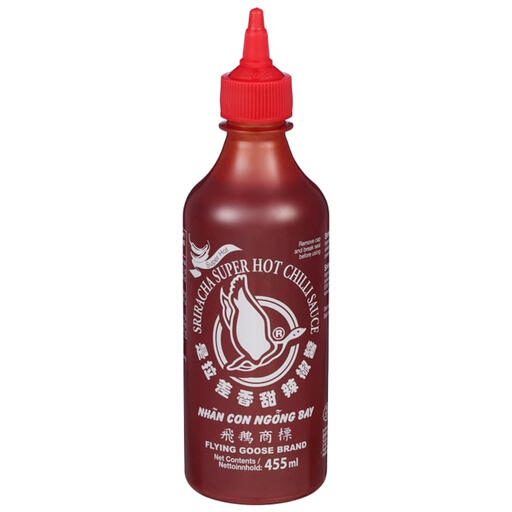
Why it suits this profile: Handy for anyone who regularly adds heat to snacks, noodles, stir-fries and marinades.
The product description explicitly states “Extra Hot” and 70% chilli. This makes the choice clearer than packaging that uses only a vague indication of heat.
455 ml capacity; according to the product information, suitable as a dip, marinade and flavour enhancer.
We have put together a complete, up-to-date list of products that fully meet these strict selection criteria and the applicable European safety regulations.
Use the sauce as part of the dish, not just as a topping. Here are some practical combinations:
Add salty sauces gradually. You can always add more later, but an overly salty stir-fry sauce is difficult to correct. With sweet varieties, a little acidity, such as rice vinegar or lime juice, often provides a useful counterbalance.
A ready-made sweet and sour sauce or mild chilli sauce is an easy starting point for dips, stir-fries and snacks. If you are looking for a versatile base, soy sauce is a good place to start. Check the allergens and salt content beforehand.
This varies from product to product. Follow the instructions on the packaging. Some sauces can be stored tightly sealed outside the fridge, while others must be refrigerated after opening. Always follow the stated shelf life and check the smell, colour and texture.
Soy sauce is made from soya and mainly provides saltiness and umami. Fish sauce is made from fermented fish and has a stronger aroma. Oyster sauce contains oyster extract and is usually thicker, with a fuller flavour. None of these sauces is directly interchangeable, especially where allergies or vegetarian recipes are concerned.
