
Vandaag of morgen in huis

Kwaliteit gegarandeerd

Welkomstaanbiedingen ontgrendelen: GRATIS bezorging | Tot 80% korting | Gratis 30 dagen JoyPlus-proefperiode
Download de app
When you buy Asian sauces, you soon come across dozens of bottles and jars labelled authentic, traditional and versatile. However, an eye-catching label tells you little about whether a sauce is right for your kitchen. One sauce may be mainly sweet, while another is salty, spicy, thick or intended as a marinade.
This practical buying guide compares Chinese sauces, Korean sauces, Thai sauces and Indonesian flavourings based on their uses, ingredients, allergens and packaging. That way, you can avoid leaving a sauce unused in the fridge.
Spiciness is not indicated in the same way on every package. Gochujang, sambal, chilli oil and sweet chilli sauce can all be spicy, but they differ considerably in flavour and how they are used. So check the ingredients and directions for use.
A 700 or 850 ml bottle may seem appealing if you cook frequently, but a sauce with limited uses can sit in the cupboard for a long time. Check the net quantity, serving size and shelf life after opening. A smaller bottle may be more practical if you want to try the sauce first.
Hoisin sauce can be used as a marinade, stir-fry sauce or dipping sauce, but it has a sweet and savoury flavour. Red braised sauce is more suited to slow cooking and marinating. Bulgogi sauce is designed for Korean barbecue flavours and works differently from Thai sweet chilli sauce.
So use marketing claims as a guide, not a guarantee. According to the brand or seller’s product description, a sauce may be suitable for certain uses; always check the ingredients and preparation instructions on the packaging.
Look out for common allergens such as soya, wheat, gluten, sesame, peanuts and milk. For example, according to the product information, Bibigo Bulgogi Sauce Mild & Sweet contains soya, wheat and sesame. Wijko Concentrated Satay Sauce contains peanuts, soya, wheat and milk, among other ingredients.
Salt and sugar content can also vary considerably between sauces. Examples from the available product information include:
These values do not make a sauce suitable or unsuitable for everyone, but they can help you make a more informed choice and adjust the amount you use in each dish.
A thin sauce mixes quickly through noodles or rice. A thick paste clings better to meat, tofu or vegetables. Consider the type of product:
For a sauce intended for an air fryer, barbecue or oven, it is important to check whether it is recommended as a glaze or marinade. Sugary sauces can caramelise or catch more quickly at high temperatures.
Storage instructions vary from product to product. Many sauces need to be refrigerated after opening. For example, LEE KUM KEE Beijing Duck Sauce states that it should be kept in the fridge after opening. For other products, the packaging should be tightly closed and stored in a cool, dry place away from direct sunlight.
Also check:
The information on the packaging takes precedence, as labels and packaging details may change.
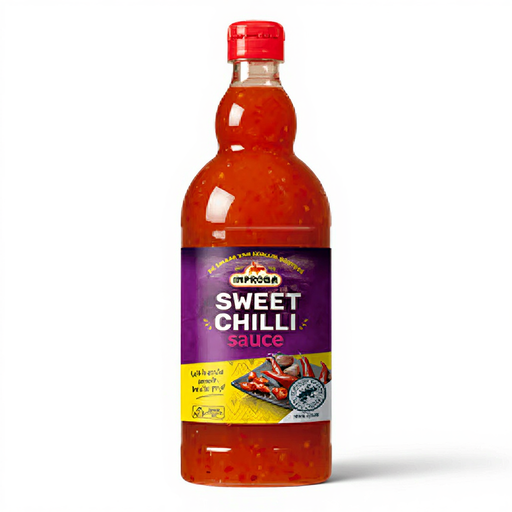
Why it suits this profile: Its sweet and spicy flavour is easy to use as a dipping sauce with snacks, alongside grilled chicken or in a simple marinade.
Its clearly stated uses as a dip, flavouring and marinade make the bottle useful for a range of everyday dishes.
850 ml contents; according to the product information, free from the 14 major EU allergens.
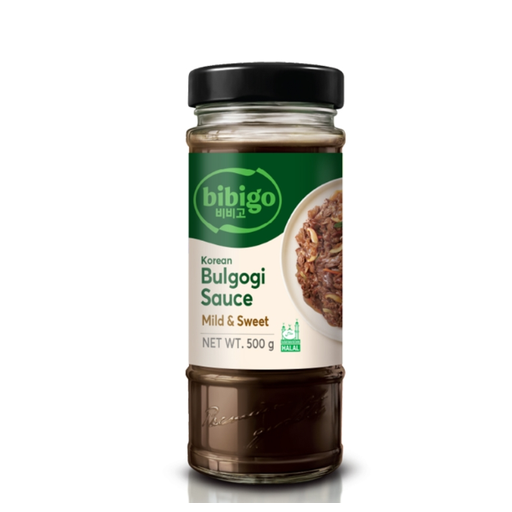
Why it suits this profile: According to the product description, the combination of soya sauce, garlic, onion, pear purée and apple purée is designed for Korean bulgogi and mild barbecue dishes.
The mild description is helpful if you are not looking for intense heat, while the suggested uses are clear: marinating, grilling and stir-frying.
500 g contents; contains soya, wheat and sesame; suitable for meat and vegetables.
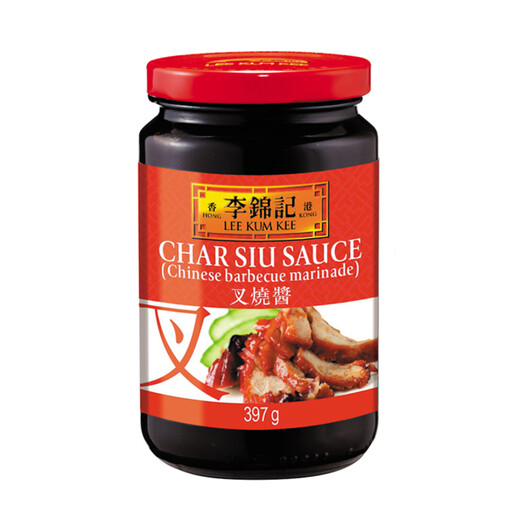
Why it suits this profile: According to the product information, this sauce is intended as a marinade and glaze for char siu, and can be used in the oven, air fryer, on the grill or in a pan.
The recommended ratio of 70–100 g of sauce per 500 g of pork gives you more guidance than a general claim about versatility.
397 g contents; suitable as a marinade and glaze; contains soya and wheat.
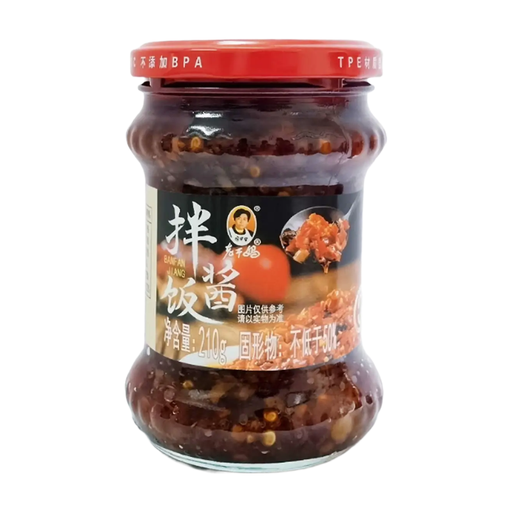
Why it suits this profile: According to the product information, its chilli and oil-based texture is suitable for rice, noodles and a variety of dishes.
The packaging lists chilli, rapeseed oil, soya, mushroom, sugar and spices, giving you an idea of the flavour and texture in advance.
210 g contents; suitable as a topping or flavouring; contains soya.
We have put together a complete, up-to-date list of products that fully meet these strict selection criteria and the applicable European safety regulations.
A mild sweet chilli sauce is usually easy to use as a dip, glaze or flavouring. If you would rather try a savoury sauce, a mild bulgogi sauce is a good place to start. Always check the sugar, salt and allergen information.
It depends on the product. Follow the storage and usage instructions on the label. Some sauces need to be refrigerated after opening. Do not use a product if its packaging is damaged or its smell, colour or consistency has clearly changed.
Gochujang is a thick Korean chilli paste with a sweet and savoury flavour. Sambal is usually a spicy Indonesian chilli sauce or paste. Chilli crisp generally contains oil and crispy chilli ingredients. Choose according to the texture and heat you want, as well as the dish you plan to use the sauce in.
