
Vandaag of morgen in huis

Kwaliteit gegarandeerd

Welkomstaanbiedingen ontgrendelen: GRATIS bezorging | Tot 80% korting | Gratis 30 dagen JoyPlus-proefperiode
Download de app
Buying a bottle of Asian sauces may seem straightforward, but the range varies considerably in flavour, ingredients, heat level and size. Sweet chilli sauce is not automatically suitable as a marinade, while dark soya sauce may mainly add colour and sweetness to a dish. If you rely solely on the label or eye-catching packaging, you may end up paying for a sauce that barely gets used at home.
These points will help you choose the right sauce for noodles, rice, stir-fries, marinades, dips and street food.
The term spicy may refer to fresh chilli, chilli powder, chilli extract or a combination with garlic and spices. Sriracha generally has a smooth texture and a sweet-and-sour flavour, while sambal can be coarser and more direct in taste. Chilli oil can also contain a lot of fat without the sauce being extremely hot.
So check the ingredients and usage instructions. A dipping sauce often needs a different texture from a sauce intended for stir-frying.
Large bottles, such as 850 ml, 970 g or a 4.5-litre catering pack, are useful for daily use or in a professional kitchen. If you only use the sauce occasionally, however, an opened bottle may sit around for a long time. Always check the storage advice, best-before date and whether refrigeration is recommended after opening.
Also compare the price per 100 ml or 100 grams, rather than just the price of the pack.
Words such as authentic, traditional or street-food style do not automatically describe the ingredients or origin. So check the country of origin, ingredients list, net weight and allergen information. A brand’s own research may indicate that a product has a particular flavour or preparation method, but this is not objective proof that every user will experience that flavour in the same way.
First choose the dish you want to use the sauce with:
A thick sauce clings better to chicken, snacks or vegetables. A thin soya sauce mixes more quickly into rice, soup or a marinade. Pay attention to the proportions of chilli, oil, sugar and salt.
For example: according to the product information, Inproba Sweet Chilli Sauce contains 7.4% chilli pepper and 42 grams of sugar per 100 grams. Thanh Ha Fish Sauce lists 35% fish and 23.3 grams of salt per 100 grams. Figures like these provide more insight than a heat claim on the front of the bottle alone.
Check the EU allergen information before buying. This category includes soya, wheat, gluten, peanuts, sesame, milk, egg, mustard, crustaceans and molluscs.
Examples from the product specifications:
A bottle with a squeezy cap is practical for drizzling or decorating. A glass bottle can be convenient for measuring out with a spoon, but is less handy with intensive use. For a restaurant or large household, a larger pack may make more sense, provided your usage justifies it.
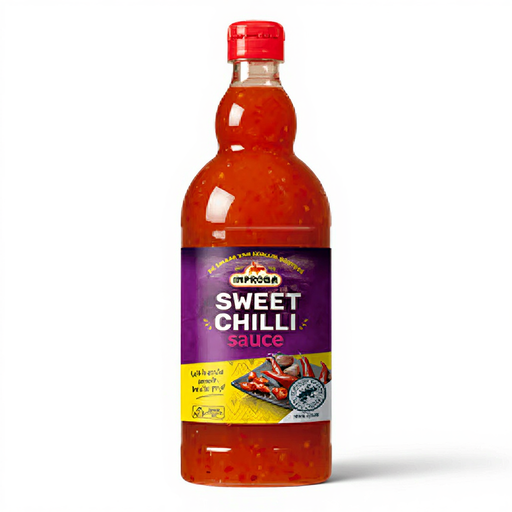
Why it suits this profile: The large bottle is practical if you regularly make dips, marinades or grilled chicken and are looking for an approachable sweet-and-spicy flavour.
The product information states the size, chilli pepper ratio and nutritional values. This allows you to assess the volume and sweetness in advance.
850 ml capacity; suitable as a dip, marinade and flavour enhancer; according to the product information, free from the 14 main EU allergens.
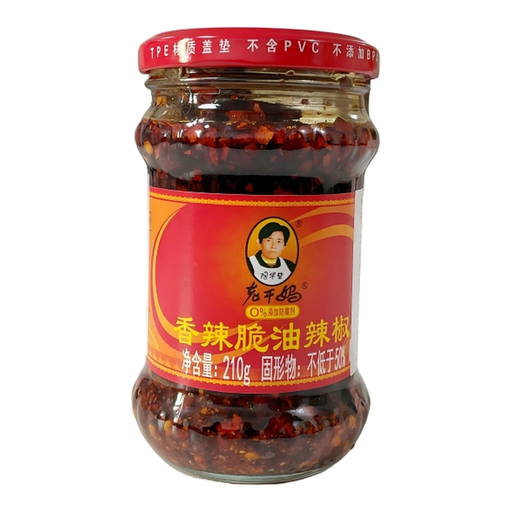
Why it suits this profile: This Chinese chilli oil combines oil with chilli flakes, peanuts, black beans and sesame, adding a distinctive texture to noodles, rice and dumplings.
The ingredients and quantitative declarations list 20% chilli flakes, 8% peanuts and 6% soya. This makes the composition easy to verify.
210 g pack; ready to use; suitable for noodles, rice, hotpot and stir-fries.
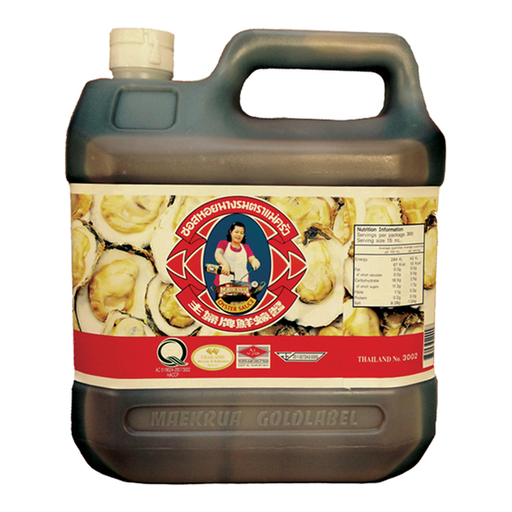
Why it suits this profile: The catering pack is designed for restaurants, caterers, large households and cooks who regularly prepare stir-fries, marinades and sauces.
The large size only makes sense if you use it regularly. The product information clearly states the capacity, allergens and storage advice.
4.5-litre capacity; oyster extract in the ingredients list; suitable for stir-frying, marinating and making sauces.
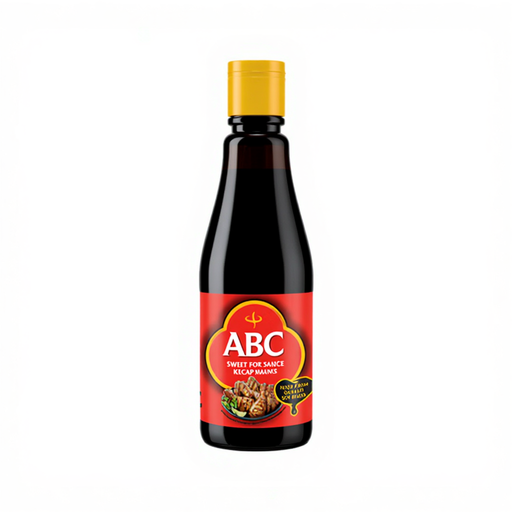
Why it suits this profile: This thick, sweet sauce works well with nasi goreng, satay, marinades, stir-fries and dips for anyone looking for Indonesian flavours.
The product information states 79 grams of sugar per 100 grams and confirms the presence of soya, wheat and sulphites. This makes the sweetness clear in advance.
600 ml capacity; thick texture; intended for marinades, stir-fries and dips.
We have compiled a complete, up-to-date list of products that fully meet these strict selection criteria and the applicable European safety regulations.
It depends on the result you want. Use soya sauce for a savoury base, oyster sauce for a thicker umami flavour, chilli oil for heat and texture, or sriracha for a smooth, spicy addition. Kecap manis gives noodles a sweeter, darker flavour.
Always check the label. Many products recommend storing them in a cool, dry place and keeping the bottle tightly closed. Some sauces, such as certain chilli sauces or chilli oils, should be refrigerated after opening. Shelf life varies according to the ingredients and packaging, so use the information on the product as your guide.
Compare your expected usage with the pack size. A bottle of 600 to 970 ml is suitable for regular home use. A 4.5-litre pack is mainly practical for professional kitchens, caterers or large households that will use the sauce quickly. Also consider allergens, storage space and the price per 100 ml.
