
Vandaag of morgen in huis

Kwaliteit gegarandeerd

Welkomstaanbiedingen ontgrendelen: GRATIS bezorging | Tot 80% korting | Gratis 30 dagen JoyPlus-proefperiode
Download de app
Choosing a bottle of Asian sauce might seem easy. Yet many end up unused at the back of the cupboard. The problem is often not the flavour, but getting the sweetness, heat, size and intended use wrong. If you choose based only on attractive packaging or the word “authentic”, you could end up paying for a product that doesn’t suit the dishes you have in mind.
Use this buying guide to compare Asian sauces using information you can check, including ingredients, allergens, nutritional values, pack size and the types of dishes each sauce is intended for.
Chilli sauce, sweet chilli sauce, sambal and hot sauce can be very different. Sweet chilli sauce often contains a lot of sugar and uses milder chillies. A hot sauce made with vinegar and cayenne pepper, on the other hand, can taste sharp and tangy. Check the ingredients and serving suggestions rather than relying on the name alone.
For example, Inproba Sweet Chilli Sauce contains 7.4% chilli pepper and 42 grams of sugar per 100 grams. This makes it a good choice as a dip or marinade, but less suitable if you’re looking for an intense chilli heat.
Oyster sauce, hoisin sauce and sukiyaki sauce are often sold in bottles of 500 to 810 grams or millilitres. This can be handy for a family or if you use them regularly, but an opened bottle takes up space and has a limited shelf life, as stated on the label. Choose a larger size if you use the sauce often, for example in stir-fries, noodle dishes or marinades.
Many Asian sauces contain soya, wheat, sesame, mustard, peanuts, milk or shellfish. Soy sauce and oyster sauce often contain wheat; satay sauce often contains peanuts; and Korean sauces may combine milk, soya and wheat. Always check the current label, especially if you have allergies or food intolerances. Online product information can be useful, but the packaging is the definitive source.
Choose your dish first, then pick a sauce:
Sauces are flavourings, not neutral staples. Compare the nutritional values per 100 grams or millilitres. According to the product information provided, Maekrua Oyster Sauce contains 7.6 grams of salt per 100 grams, while Lee Kum Kee Panda Oyster Sauce lists 11.5 grams of salt per 100 millilitres. Use sauces like these sparingly and don’t add extra salt straight away.
Sweetness also varies widely. A yakitori sauce may contain 31 grams of sugar per 100 grams, while a chilli hot sauce contains much less. This affects both the flavour and how you use the sauce in a recipe.
For occasional use, 120 to 300 grams is often a manageable size. For families, meal prep or frequent stir-frying, 600 to 850 grams may be more practical. Store opened products according to the label. Many sauces should be kept in a cool, dry place and sealed tightly; some need to be refrigerated after opening. Check the best-before information on the packaging too.
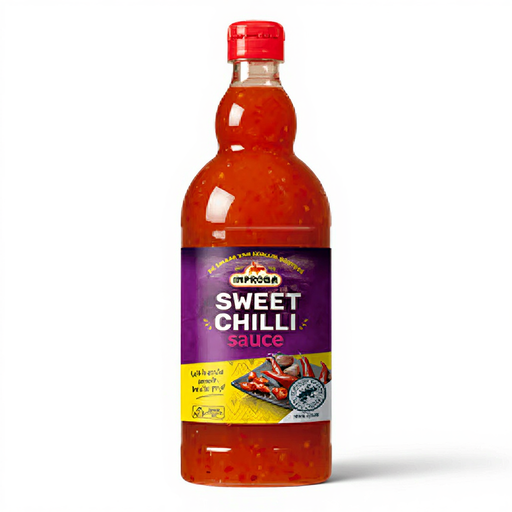
Why it suits this profile: This sweet chilli sauce is versatile as a dip, marinade or addition to chicken and fish. The generous bottle size is ideal for regular use.
The product information lists the chilli content, sugar level and absence of the 14 main EU allergens. This helps you assess the heat and ingredients more accurately.
850 ml; suitable as a dip, marinade and flavouring; 7.4% chilli pepper according to the product information.
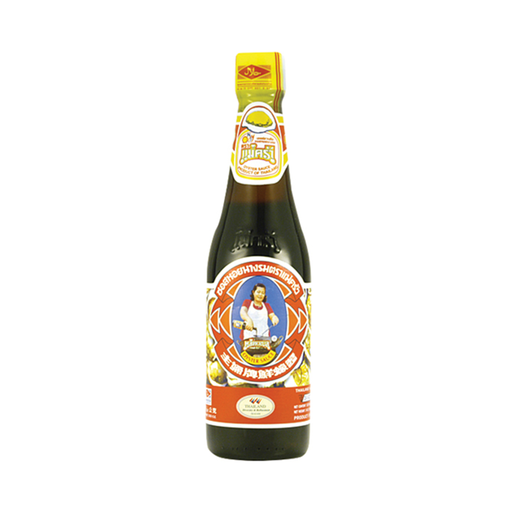
Why it suits this profile: This oyster sauce is ideal for home cooks looking for a savoury base for wok dishes, marinades and sauces.
The ingredients list includes 30% oyster extract and identifies soya and wheat. This makes it clear that it’s a savoury sauce containing relevant allergens.
600 ml; 30% oyster extract according to the label; a versatile flavouring for a range of dishes.
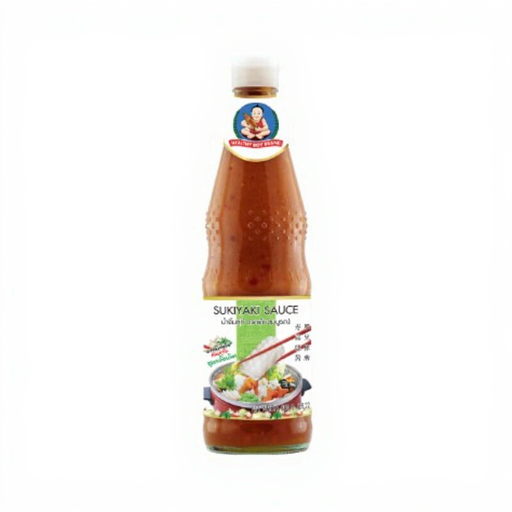
Why it suits this profile: The large bottle is practical for families, hotpot evenings and home cooks who often stir-fry, marinate or use sauces as dips.
Its uses are clearly explained: hotpot, sukiyaki, stir-fries, marinades and dips. The pack size makes it easier to compare the cost per use.
800 grams; sweet and savoury flavour profile; contains soya beans, wheat and sesame according to the product information.
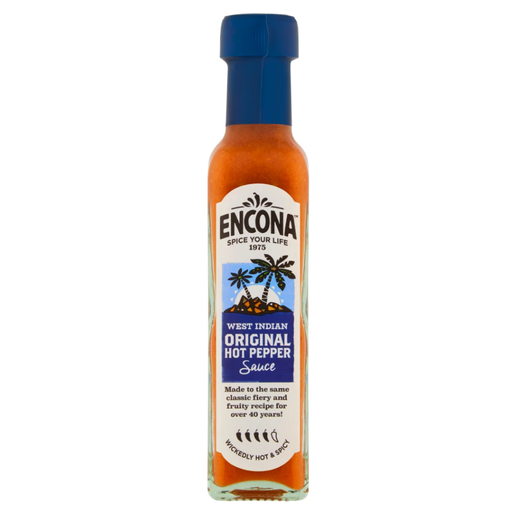
Why it suits this profile: A compact hot sauce for adding extra heat to individual portions of pizza, soup, meat, dips or sandwiches.
The ingredients list is straightforward: cayenne pepper, vinegar, water, salt and xanthan gum. This gives you a clearer idea of the flavour than broad marketing terms.
142 ml; easy to pour; free from the 14 main EU allergens according to the product information.
We’ve put together a complete, up-to-date list of products that meet these strict selection criteria and current European safety regulations.
It depends on the flavour you’re after. Oyster sauce adds savoury umami, soy sauce brings saltiness and depth, and hoisin sauce adds a thicker, sweet and savoury note. Sukiyaki sauce can also be used for stir-fries, marinades and dips.
Always follow the instructions on the label. Keep the bottle tightly closed and away from heat and direct sunlight. Some products can be stored at room temperature, while others need to be refrigerated after opening. Use a clean spoon or pourer to reduce the risk of contamination.
Start with a small amount and taste as you cook. Balance a salty sauce with neutral ingredients such as rice, noodles or vegetables. If a sauce is sweet, a little acidity, such as rice vinegar or lime, can help balance the flavour. Check the nutritional values per 100 grams or millilitres beforehand, especially for oyster sauce, soy sauce and sweet chilli sauce.
