
Vandaag of morgen in huis

Kwaliteit gegarandeerd

Welkomstaanbiedingen ontgrendelen: GRATIS bezorging | Tot 80% korting | Gratis 30 dagen JoyPlus-proefperiode
Download de app
Buying Asian sauces seems simple, until you’re standing in front of a shelf packed with bottles and jars. Light soy sauce, black bean sauce, sambal or curry paste can quickly add more flavour to a dish, but not every variety suits the same cooking method. Large packs can also be inconvenient if you only cook Asian food occasionally.
When comparing products, pay particular attention to these three common pitfalls:
Soy sauce often contains soya and wheat. This applies, for example, to Healthy Boy Thin Soy Sauce, Haday Superior Light Soy Sauce and Kikkoman Soy Sauce. If you want to avoid gluten, look for products that clearly state this on the packaging. According to the product information, Kikkoman Tamari Gluten Free Soy Sauce contains soya, water, salt and alcohol vinegar, and does not list wheat as an ingredient. Nevertheless, check the current label every time you buy.
Curry pastes and flavourings can also contain unexpected allergens. Sunlee Vegan Yellow Curry Paste lists soya, peanuts, sesame and nuts among its allergens. Sunlee Vegan Massaman Curry Paste lists soya. “Vegan” therefore does not automatically mean allergen-free.
Light soy sauce or thin soy sauce is generally intended to season dishes without adding much colour. Healthy Boy Thin Soy Sauce is available in a 300 ml bottle and a 700 ml version. According to the product description, the sauce is suitable for stir-fries, soups, marinades and dips.
Dark soy sauce is thicker and often sweeter. According to the listed ingredients, Healthy Boy Black Soy Sauce contains 70% molasses and is intended to add colour and a sweeter, fuller flavour. Use it in dishes such as noodles, stews or marinades, but add it sparingly: the colour can quickly overpower the dish.
Also pay attention to the salt content. Soy sauce is a concentrated seasoning. A small amount is often enough, so taste the dish before adding any extra salt.
A 400 g jar of curry paste is practical for families, meal preppers or anyone who makes curries regularly. For occasional use, a smaller jar or bottle may be more convenient. After opening, follow the storage instructions: many products need to be kept tightly sealed and sometimes refrigerated.
For quick meals, ready-made sauces such as black bean sauce, sambal manis or a vegetarian stir-fry sauce are useful. If you want more control over the flavour, tamarind paste, curry paste and gochujang are suitable base ingredients. They allow you to decide the balance of sour, sweet, spicy and savoury flavours yourself.
The choices below are based on verifiable product details, including contents, ingredients, allergens and suggested uses. Brand descriptions of flavour or preparation methods are presented as product information and not as independently established results.
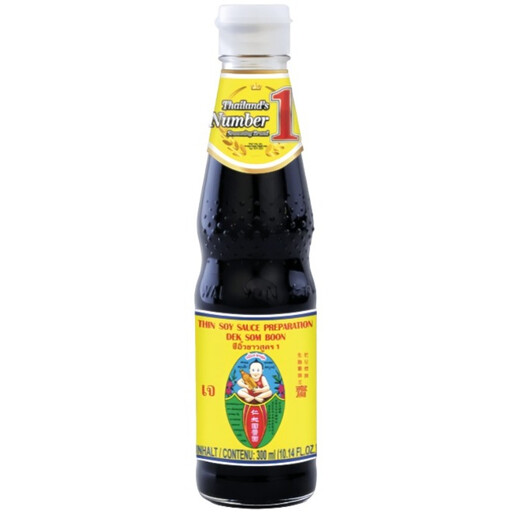
Why it suits this profile: The 300 ml size is manageable for anyone starting to explore Thai sauces or regularly preparing stir-fries and noodles.
The product information clearly lists suggested uses and allergens. This makes it easier to use the sauce appropriately and check for wheat or soya in advance.
300 ml; suitable for stir-fries, soups, marinades and dips; contains soya and wheat.
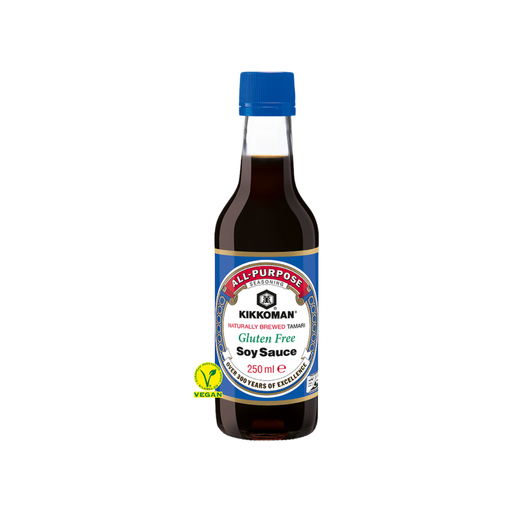
Why it suits this profile: A compact choice for anyone specifically looking for gluten-free soy sauce and carefully comparing ingredient lists.
The product information lists water, soya, salt and alcohol vinegar as ingredients. If you have allergies, always check the current packaging as well.
250 ml; described as gluten-free; contains soya and no wheat among the listed ingredients.
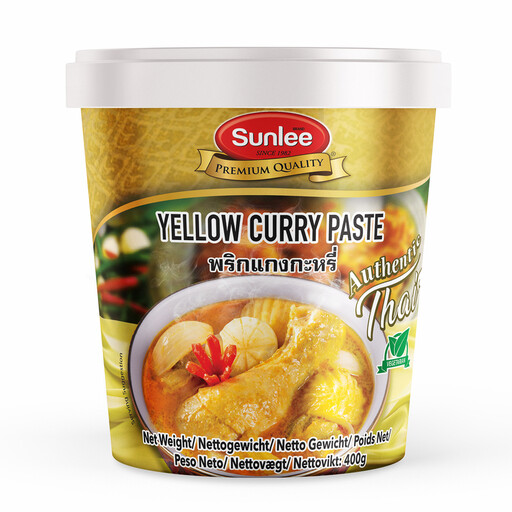
Why it suits this profile: The 400 g jar is ideal for regularly preparing vegan curries, meal prep and family meals.
The formulation and allergens are listed, so “vegan” is not mistaken for a synonym for allergen-free.
400 g; suitable for vegan and vegetarian dishes; can be combined with coconut milk, vegetables and tofu.
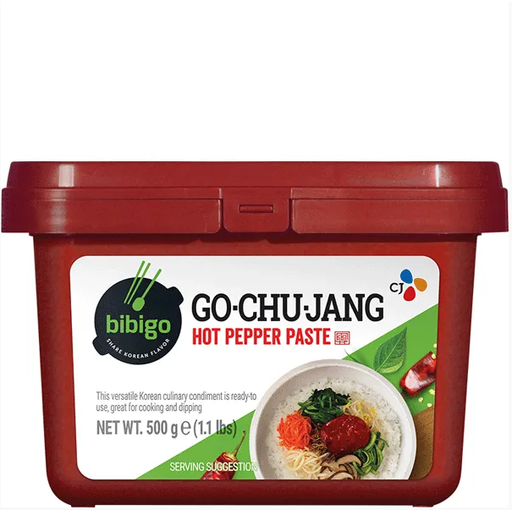
Why it suits this profile: The 570 g jar is suitable for anyone who often makes Korean marinades, noodles, bibimbap or vegetable dishes.
The product information explicitly states that this is a vegan variety. However, the ingredients include wheat and soya, so check them if you have specific dietary requirements.
570 g; vegan according to the product description; suitable for marinades, stews, stir-fries and dips.
For Chinese dishes, black bean sauce such as Lee Kum Kee Black Bean Garlic Sauce is a practical base for stir-fries, aubergine dishes and marinades. If you prefer more heat, choose sambal, sambal manis or sambal made with Madam Jeanette chillies. Sweet and spicy sambal manis, for example, combines sugar, red chilli, onion, garlic and tamarind.
Tamarind paste adds a sour, slightly sweet flavour to curries, dips and sauces. For Thai dishes, you can also use a vegan curry paste. When choosing vegetarian and vegan sauces, it’s wise to read the full ingredients list as well as the front of the packaging.
We’ve put together a complete, up-to-date list of products that fully meet these strict selection criteria and the applicable European safety regulations.
Light soy sauce is often used for stir-fries to add a salty, savoury flavour without making the dish noticeably darker. Dark soy sauce is more suitable when you want extra colour and a sweeter flavour. Always check the product description and add it gradually.
This varies by product. Keep an opened bottle or jar tightly sealed and follow the storage instructions on the packaging. Some sauces can be stored in a cool, dry place, while others need to be refrigerated after opening. Do not use a product if the packaging is damaged or the contents have clearly changed.
Look for a clear vegan label and check the ingredients. Sunlee Vegan Yellow Curry Paste, Sunlee Vegan Massaman Curry Paste and Bibigo Vegan Gochujang Red Pepper Paste are described as vegan in the product information. This does not rule out allergens such as soya, wheat, peanuts, sesame or nuts.
