
Vandaag of morgen in huis

Kwaliteit gegarandeerd

Welkomstaanbiedingen ontgrendelen: GRATIS bezorging | Tot 80% korting | Gratis 30 dagen JoyPlus-proefperiode
Download de app
When you buy Asian sauces, you’ll quickly come across dozens of bottles and jars labelled “authentic”, “premium” or “extra hot”. These words don’t always tell you much about what’s inside. To make a good choice, it’s better to check the ingredients, allergens, intended use and pack size.
This matters to home cooks, vegetarians and vegans, as well as food business owners who use a sauce regularly. A small bottle may seem like good value, while a larger size can be more practical if you use it often. On the other hand, a large pack can be inconvenient if you only use the sauce occasionally.
“Authentic”, “traditional” and “premium” aren’t fixed quality standards. Check the ingredients list, country of origin, pack size and recommended use instead. Some products clearly state whether they’re suitable for stir-fries, marinades, dipping or curries.
Many soy sauces, oyster sauces and fish sauces contain ingredients that are relevant to allergies or dietary choices. Soy sauce often contains soya and wheat. Oyster sauce usually contains molluscs and may also contain soya or wheat. Fish sauce contains fish. Always check the current packaging, even when a product is described online as vegetarian or vegan.
Chilli sauce can contain a lot of sugar, while fish sauce and soy sauce can naturally be high in salt or have salt added. For example, according to the product information, Sweet Chilli Sauce for Chicken contains 41 grams of sugar and 2.9 grams of salt per 100 grams. Sunlee Sweet Chilli Sauce 300 ml lists 48 grams of sugar and 2 grams of salt per 100 grams.
That doesn’t automatically make these sauces unsuitable. It does mean you should use them thoughtfully: as a dip, glaze or flavour boost rather than as a main ingredient in large quantities.
First, choose the flavour you’re looking for:
A vegan label is especially useful if you want to avoid fish, shellfish or animal extracts. Sunlee Vegan Green Curry Paste 400g lists only plant-based ingredients, including green chilli, lemongrass, garlic, shallot, galangal and kaffir lime peel. Still, always check the packaging, as recipes and product information can change.
Soya and wheat are listed as allergens in Healthy Boy Thin Soy Sauce. Lee Kum Kee Panda Oyster Sauce 255g contains oyster extract, molluscs and wheat. X.O Fish Sauce contains fish. For a household with allergies, the full ingredients list is therefore more important than the product name.
For everyday cooking or food service, 600 to 750 ml can be an efficient choice. For occasional use, 200 to 335 ml is often easier to manage. Check the storage instructions after opening. Some sauces need to be refrigerated, while others can be stored in a cool, dry place, according to the product information.
A large bottle is only practical if you use the sauce regularly. Also consider how much you need each time: concentrated fish sauce, sambal and curry paste usually call for smaller quantities than sweet chilli sauce.
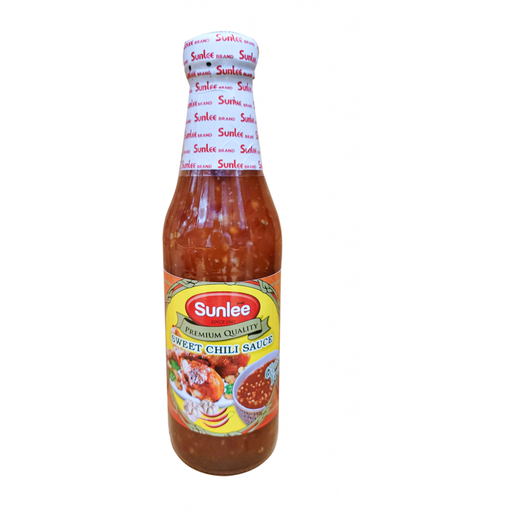
Why it suits this type of cook: A compact size for anyone starting out with a versatile sweet chilli sauce. Use it as a dip, marinade or glaze, or add it to a stir-fry.
The product information gives specific uses and lists ingredients such as sugar, red chilli, vinegar and garlic. This makes it easier to know what sort of flavour to expect.
300 ml; none of the 14 major EU allergens are listed; suitable for several cooking methods.
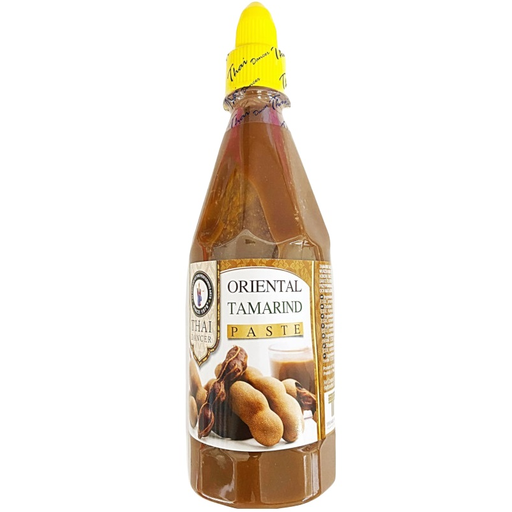
Why it suits this type of cook: For cooks who like to build their own balance of sour, sweet, salty and hot flavours in Thai sauces and curries.
The product description lists tamarind pulp and water as ingredients. You’re buying a base ingredient without an unclear, lengthy ingredients list.
435 ml; suitable for curries, dips, marinades and sauces; none of the 14 major EU allergens are listed.
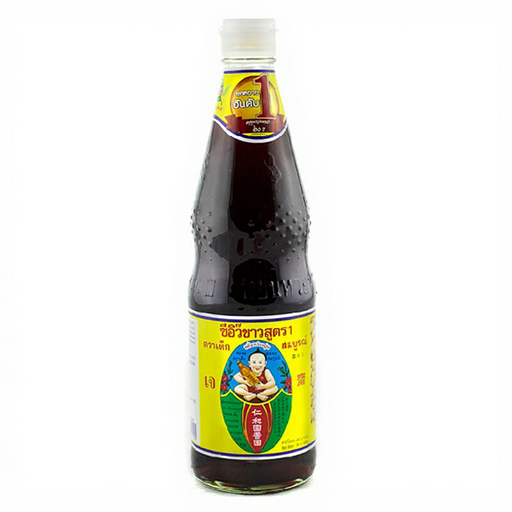
Why it suits this type of cook: A generous bottle for households, meal prep and professional kitchens that use soy sauce often.
The product information clearly states that the sauce contains soya and wheat. This helps you check for allergens in advance.
700 ml; intended for stir-fries, soups, marinades and dips; suitable for home and professional kitchens according to the product description.
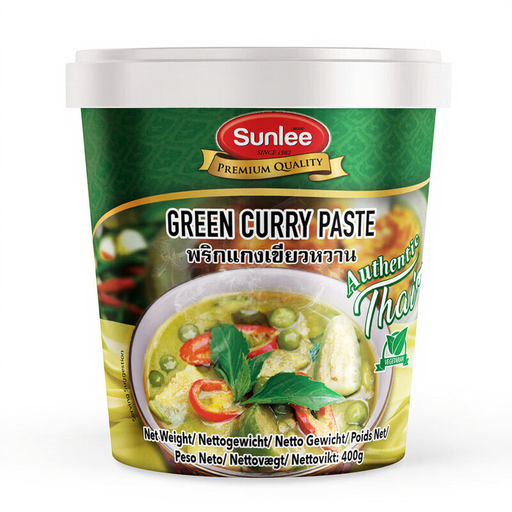
Why it suits this type of cook: A plant-based base for green curry, soups, marinades and stir-fries, with no fish sauce or shrimp paste according to the listed ingredients.
The product information lists 100% plant-based ingredients and none of the 14 major EU allergens. Check the packaging again when you buy it.
400 g; plant-based and made with ingredients including lemongrass, garlic, galangal and kaffir lime peel.
We’ve put together a complete, up-to-date list of products that meet these strict selection criteria and the applicable European safety regulations.
Sweet chilli sauce is an easy place to start: you can use it straight from the bottle as a dip, or add it to marinades, stir-fries and dressings. If you’d rather build up flavours yourself, start with a light soy sauce.
The best-before date is on the packaging. Storage requirements after opening vary by product. Follow the label, seal the bottle or jar tightly, and refrigerate any products that need to be kept chilled. Don’t use packaging that’s damaged.
Choose products explicitly labelled vegan and check the ingredients. Fish sauce, oyster sauce and some chilli pastes contain fish, molluscs or shrimp. According to the product information provided, Sunlee Vegan Green Curry Paste is plant-based, but always check the current packaging when it arrives.
