
Vandaag of morgen in huis

Kwaliteit gegarandeerd

Welkomstaanbiedingen ontgrendelen: GRATIS bezorging | Tot 80% korting | Gratis 30 dagen JoyPlus-proefperiode
Download de app
Would you like to buy Asian sauces, but feel overwhelmed by the many bottles, flavours and origins available? The wrong sauce can quickly make a dish too salty, too sweet or unnecessarily spicy. Some bottles also end up sitting unused in the fridge after just one recipe.
As a Joybuy Product Recommendation Officer, I therefore focus mainly on verifiable details: ingredients, allergens, quantity, occasions for use and storage instructions. This helps you choose a sauce based on the way you cook, rather than simply going by an eye-catching label.
Words such as authentic, traditional or original do not automatically tell you how a sauce tastes or what it is used for. Check the ingredients list and country of origin. Japanese teriyaki sauce, for example, often contains soy sauce, sugar and mirin, while Indonesian kecap manis is thicker and noticeably sweeter.
A 600 to 800 ml bottle may seem attractively priced, but it is less practical if you only cook stir-fries occasionally. So pay attention to the quantity in relation to how much you use. A larger bottle can be useful for a household that cooks every week. For occasional use, a smaller chilli sauce or dipping sauce is often the wiser choice.
The heat level of chilli sauce varies by brand and recipe. Chinese chilli sauce, Vietnamese chilli sauce and Korean sauces can each have a different balance of heat, acidity, sweetness and garlic. When trying a new product, start with a small amount and add more later.
First decide what you need the sauce for:
Always check the allergen information, particularly for soy sauce, oyster sauce and fish sauce. Many Asian sauces contain soya, wheat, fish, crustaceans, sesame or sulphites. ABC Kecap Manis, for example, lists soya, wheat and sulphites. Healthy Boy Thin Soy Sauce contains soya and wheat.
Also check the amount of sugar and salt per 100 ml or 100 grams. The figures can vary considerably. The nutritional information for Squid Fish Sauce, for example, lists 25.2 grams of sodium per 100 ml. Use sauces like this sparingly, even when the bottle is large.
Follow the instructions on the packaging. Many long-life sauces should be tightly sealed after opening and stored in a cool, dry place away from direct sunlight. The product information for CHINSU Chili Sauce recommends storing the sauce in the fridge after opening. Also always check the best-before date and do not use a product if its packaging is damaged.
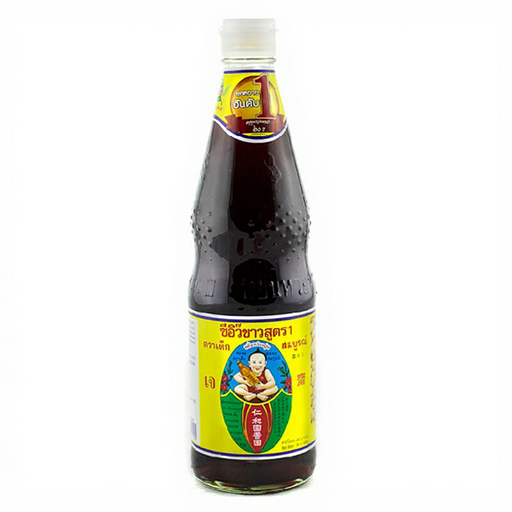
Why it suits this profile: This light soy sauce is highly versatile in stir-fries, soups, marinades and dipping sauces. The 700 ml bottle suits households that cook Asian food regularly.
The product information lists specific uses and identifies soya and wheat as allergens. This allows you to assess the sauce’s flavour and suitability in advance.
700 ml quantity; suitable for stir-fries, soup, marinades and dipping sauces; nutritional information lists 22.6 g sodium per 100 ml.
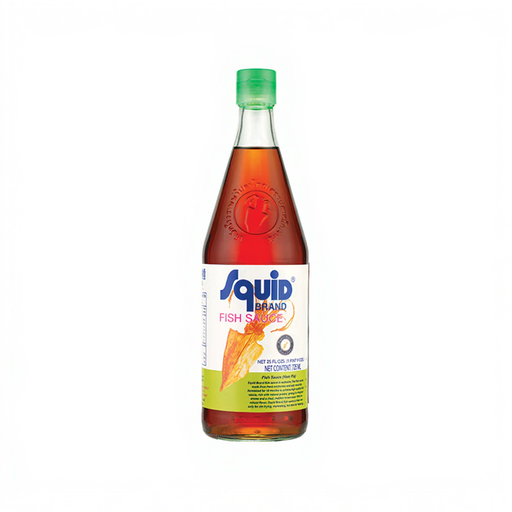
Why it suits this profile: If you are specifically looking for deep umami flavour, consider a fish sauce with a high anchovy content for Thai and Vietnamese dishes.
The label lists 77% anchovy and the fish allergen. This tells you what determines the base flavour and allows you to take your guests’ dietary requirements into account.
725 ml quantity; 77% anchovy according to the product information; suitable for soups, marinades, stir-fries and dips.
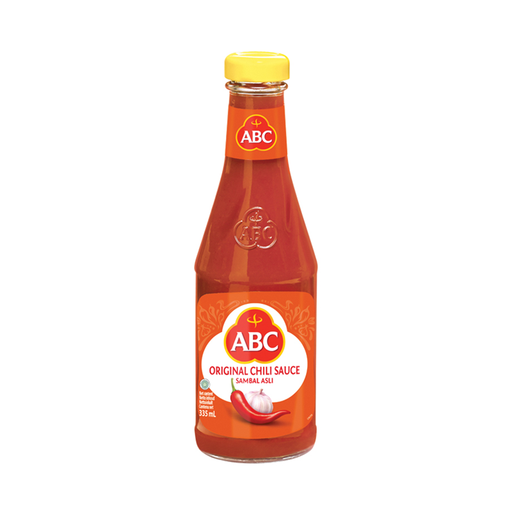
Why it suits this profile: This oyster sauce is intended for cooks who often make stir-fries and use a thicker sauce for vegetables, marinades or stir-fried dishes.
The ingredients list states 30% oyster extract and identifies soya and wheat as allergens. This makes the sauce easier to compare with other oyster sauces.
600 ml quantity; oyster extract listed as an ingredient; suitable for seasoning, stir-fries and marinades.
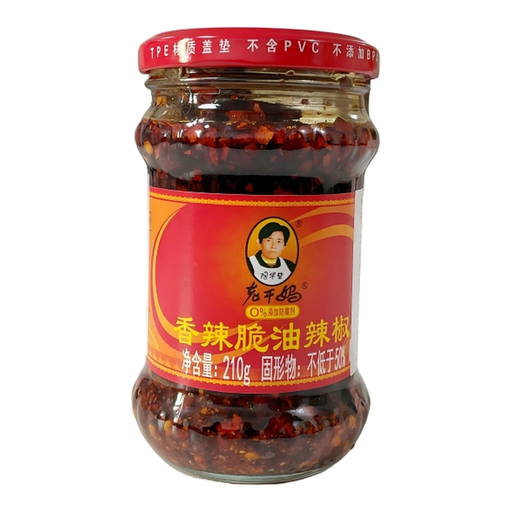
Why it suits this profile: The combination of chilli, peanuts and soya beans works well with noodles, rice, dumplings and hotpot dips.
The product information lists 20% chilli flakes, 8% peanuts and 6% soya beans. Check these allergens before serving the jar.
210 grams; ready to use; suitable for noodles, rice, dumplings and stir-fries; contains peanuts, soya, sesame and wheat.
We have put together a complete, up-to-date list of products that fully meet these strict selection criteria and the applicable European safety regulations.
Start with a versatile soy sauce, a chilli sauce and, if you wish, an oyster sauce. With these, you can make stir-fries, marinades, noodles and dips. Choose smaller packs if you are not yet sure which flavours you use most often.
This varies from product to product. Check the packaging and follow the manufacturer’s storage instructions. Seal the bottle or jar tightly and store the product according to the label. If you notice a change in colour, smell or texture, follow the recommended usage instructions.
Read the full allergen declaration, even if the sauce is described as vegetarian or gluten-free. Soya, wheat, fish, crustaceans, sesame, egg, mustard and sulphites are common ingredients. If in doubt, the information on the packaging takes precedence.
