
Vandaag of morgen in huis

Kwaliteit gegarandeerd

Welkomstaanbiedingen ontgrendelen: GRATIS bezorging | Tot 80% korting | Gratis 30 dagen JoyPlus-proefperiode
Download de app
When you shop for Asian sauces, it’s easy to come across lots of bottles and jars with similar names. Chilli sauce can be sweet and mild, or salty, hot and oily. Hoisin sauce, gochujang, sambal and tamarind paste each have a different purpose in the kitchen. So the right choice depends not just on the brand, but above all on flavour profile, ingredients, size and how you plan to use it.
The name “chilli sauce” doesn’t always tell you how hot, sweet or thick the sauce is. Check the ingredients list and nutritional information. For example, Inproba Sweet Chilli Sauce is made largely from water, sugar and chilli. It contains 42 grams of sugar and 3.5 grams of salt per 100 grams. This variety is best suited to anyone looking for a sweet, mild dipping sauce.
A Korean sauce such as gochujang has a fermented, savoury and fuller flavour profile. It’s better suited to marinades, stews and sauces for stir-fries than to a mild dip for snacks.
An 850 ml bottle may seem like a good choice if you use a lot of sauce, but it’s less practical if you only use it occasionally. Check:
A larger size can be handy if you regularly make stir-fries or marinades. For occasional use, 210 to 326 grams is often easier to manage.
Marketing terms such as “natural”, “no artificial colours” or “authentic” don’t tell you the whole story. Always read the full product information. Also look out for allergens such as soya, wheat, sesame, peanuts, egg and mustard. Recipes can change, so check the current packaging when you buy.
First, decide what you need the sauce for:
The order of the ingredients gives you a useful idea of what a product contains. If sugar or oil is listed first, it makes up a relatively large proportion of the product. Healthy Boy Hoisin Sauce, for example, lists 30% soya bean paste and 20% sugar. The sauce contains soya and wheat.
According to the product information, Lee Kum Kee Minced Garlic Sauce contains 25% garlic. It also contains chilli, sugar, salt and a flavour enhancer. If you avoid allergens, pay particular attention to soya, wheat, sesame and peanuts in Chinese and Korean sauces.
A squeezy bottle is handy for mayonnaise, garlic sauce and sweet chilli sauce. A jar is practical for thicker pastes such as gochujang, ssamjang or garlic paste. Seal the packaging tightly after use and follow the storage advice on the label. Some products need to be refrigerated after opening, particularly sauces and pastes made with fresh ingredients.
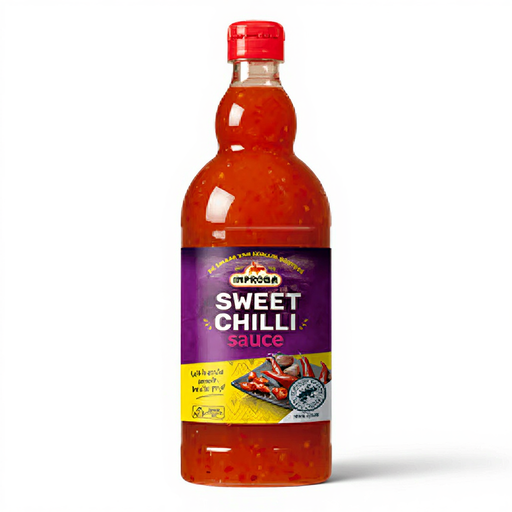
Why it suits this profile: A large bottle for anyone who regularly serves snacks, chicken, raw vegetables or stir-fries with sweet chilli sauce.
The product information clearly states that the bottle contains 850 ml and lists the ingredients and nutritional information, so you can compare the sugar and salt content.
850 ml; suitable as a dip, marinade or addition to Asian dishes; according to the product information, free from the 14 major EU allergens.
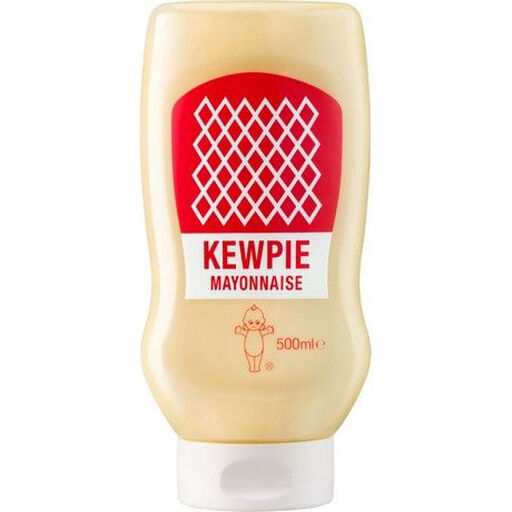
Why it suits this profile: For anyone who loves a creamy Japanese mayonnaise made with egg and vinegar, with a savoury flavour.
The packaging states that it contains 500 ml and lists the relevant allergens: egg, soya and mustard. This lets you make an informed choice rather than relying on brand claims alone.
500 ml; suitable for sushi, salads, sandwiches, grilled dishes and dips.
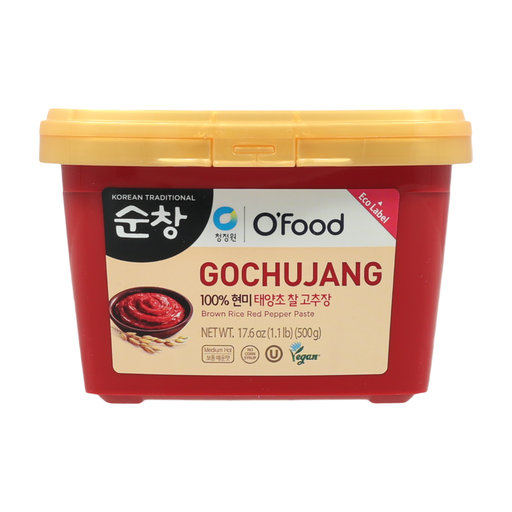
Why it suits this profile: Gochujang is a handy choice for Korean marinades, stews, dips and sauces for stir-fries.
The product information identifies it as a Korean chilli sauce and lists soya as an allergen. Its sodium content of 2705 mg per 100 grams is also shown, so you can take it into account.
500 grams; versatile; works well in marinades, stews, dips and Korean dishes.
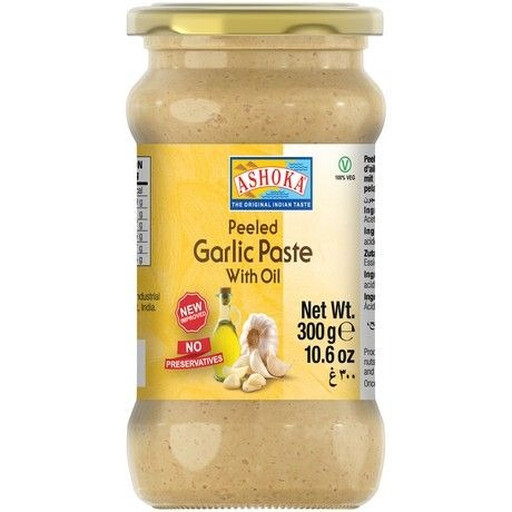
Why it suits this profile: A ready-to-use garlic paste for curries, stir-fries, dips and marinades, without having to chop fresh garlic.
The product description states that it contains 90% garlic and 10% sunflower oil. This makes it clear that it’s a cooking base, not a creamy garlic sauce.
300 grams; ready to use; according to the product information, suitable for vegetarian and vegan dishes.
We’ve put together a complete, up-to-date list of products that meet these strict selection criteria and current European safety regulations.
It depends on the flavour you’re after. Hoisin sauce adds a sweet and savoury base, gochujang brings Korean heat and depth, while garlic paste adds aroma. Add the sauce gradually and taste before adding extra salt.
It varies from product to product. Follow the date and storage instructions on the packaging. Seal jars and bottles tightly, and refrigerate products after opening if the label says to. Never use packaging that is damaged or a product that smells unusual.
Sweet chilli sauce works well with chicken and grilled dishes. Hoisin sauce pairs well with meat, tofu and stir-fries. Tamarind paste adds a sweet and tangy base to marinades and dressings. For a spicy marinade, combine gochujang, sambal or garlic chilli sauce with oil and an acidic ingredient.
