
Vandaag of morgen in huis

Kwaliteit gegarandeerd

Welkomstaanbiedingen ontgrendelen: GRATIS bezorging | Tot 80% korting | Gratis 30 dagen JoyPlus-proefperiode
Download de app
Cooking Asian cuisine at home starts with the right ingredients. But anyone searching for Asian sauces online or in a specialty store can quickly feel overwhelmed. The shelves are packed with different types of soy sauce, oyster sauce, and chilli paste. It's tempting to grab a familiar brand or a bottle with an attractive label, but that doesn't always lead to the desired result.
Many home cooks unknowingly make a few common mistakes. For example, they might buy a generic "wok sauce" that is essentially a mix of sugar and salt, completely overpowering the authentic flavour of a dish. Another pitfall is using the wrong soy sauce; a light Chinese soy sauce is not the same as a Japanese shoyu, and you can taste the difference immediately. These choices often lead to disappointing meals that don't taste like they do in a restaurant.
This guide will help you avoid these pitfalls. We'll explain what to look for, so you can confidently choose the right Asian condiments for your dishes.
Before you add products to your shopping cart, it's helpful to check three key aspects. These determine the quality and authenticity of the sauce.
Not all soy sauces are created equal. The biggest difference lies in the production process.
For an authentic flavour, a naturally brewed soy sauce is the recommended choice.
The region of origin reveals a lot about a sauce's flavour profile and application.
Choose a sauce that matches the cuisine you want to cook to achieve the right flavour balance.
A quick look at the ingredient list can be very revealing. Pay attention to the order and percentages. In a good oyster sauce, oyster extract should be high on the list. An authentic fish sauce should ideally contain only anchovies, water, and salt. Be wary of sauces where sugar or corn syrup is listed as the first or second ingredient, unless it's a specifically sweet sauce like mirin. Fewer additives and flavour enhancers (like MSG/E621) often indicate a purer product.
To get you started, we've selected a few products that suit different types of home cooks.
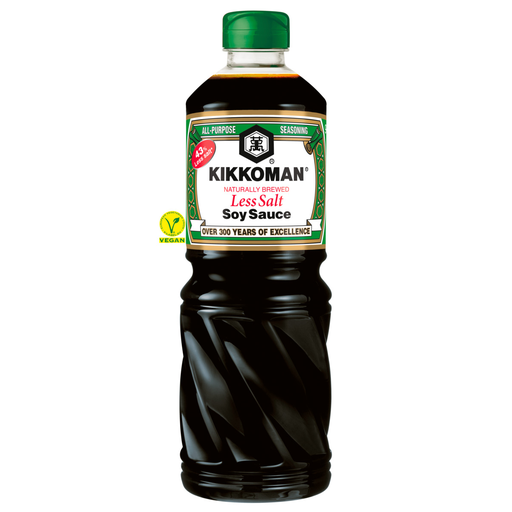
Why This Fits Their Persona: Ideal for those starting with Asian cuisine. This soy sauce is versatile, and the less-salty version is more forgiving, reducing the risk of over-salting a dish.
This is an authentic, naturally brewed soy sauce, not a generic "wok sauce" full of sugar. It provides a genuine umami base for countless dishes.
Produced by a renowned brand. The large 975ml bottle offers excellent value for money for regular use.
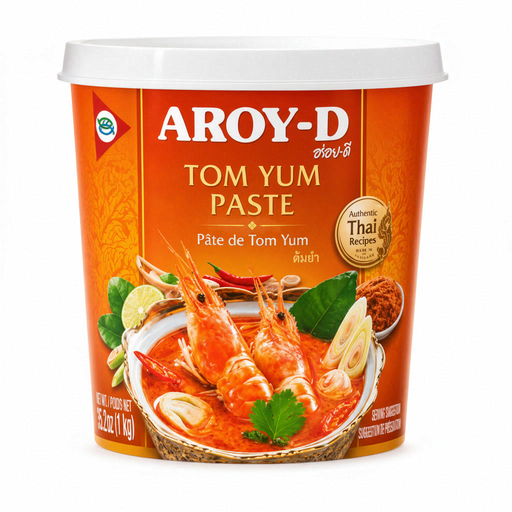
Why This Fits Their Persona: Perfect for the cook who wants to bring the true taste of Thailand into their home. This paste is the foundation for one of the most famous Thai soups: Tom Yum.
Instead of using a generic chilli paste, this product provides the specific, complex balance of sour, spicy, and aromatic notes essential for an authentic tom yum paste.
Contains traditional ingredients like lemongrass, galangal, and kaffir lime leaf. A concentrated paste, so a little goes a long way for intense flavour.
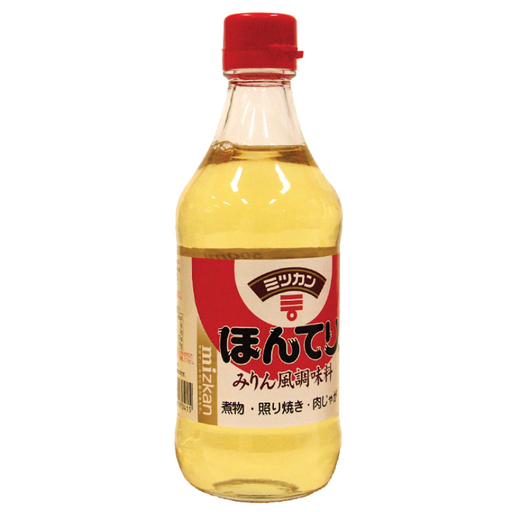
Why This Fits Their Persona: An indispensable core ingredient for anyone who loves to cook Japanese dishes. Mirin provides the signature sweet flavour and glaze to dishes like teriyaki, sukiyaki, and various marinades.
This is an authentic Japanese condiment, not a simple sugar syrup. Using real mirin provides a much more complex and balanced sweetness than pure sugar.
Produced in Japan by Mizkan, a well-known brand. It gives dishes a professional-looking glaze and a deep, authentic flavour.
For those who want to explore further, we have a wider range of sauces that meet our criteria for flavour and quality. Find the perfect addition to your pantry here.
Light soy sauce is thinner, lighter in colour, and saltier. It is used primarily for flavour, for example in stir-fries, marinades, and as a dipping sauce. Dark soy sauce is aged longer, thicker, and less salty, but has a deeper, richer flavour and colour. It is mainly used to give dishes a dark, caramel-like colour, such as in braised dishes.
Most Asian sauces have a long shelf life due to their high salt content. An opened bottle of soy sauce or fish sauce can last for months, up to a year, in a cool, dark place (like a kitchen cupboard). Oyster sauce and other thicker sauces like hoisin are best stored in the refrigerator after opening. Always check the label for specific storage advice.
Not always. For a beginner, a good naturally brewed soy sauce, a bottle of oyster sauce, and a neutral oil are an excellent starting point for many Chinese stir-fry dishes. For specific dishes like Pad Thai or Tom Yum soup, unique condiments like fish sauce, tamarind paste, or a tom yum paste are essential to approximate the authentic flavour. Start with the basics and gradually expand your collection of Asian grocery products.
