
Vandaag of morgen in huis

Kwaliteit gegarandeerd

Welkomstaanbiedingen ontgrendelen: GRATIS bezorging | Tot 80% korting | Gratis 30 dagen JoyPlus-proefperiode
Download de app
If you want to buy sauces and dressings online, you’ll soon come across dozens of options, from Asian sauces and sambal to salad dressings, tomato sauces and dips. The choice is handy, but product photos and marketing copy don’t always tell you what you really need to know. Focus on how you’ll use the product, its ingredients, allergens and pack size.
“Spicy”, “authentic”, “rich in flavour” and “natural” aren’t fixed measures of quality. Sriracha, for example, can contain a lot of sugar and salt, while sambal may consist mainly of chilli and salt. So check the ingredients list and the nutritional information per 100 g or 100 ml.
A 700 or 960 ml bottle may seem like a good choice if you use it often, but it’s less suitable if you only stir-fry from time to time. Once opened, the flavour, aroma and texture can change. Check the shelf life, storage instructions and recommended period for using the product after opening.
Soy sauce often contains soya and sometimes wheat. Peanut sauce may contain peanuts and milk, while Korean ssamjang usually contains soya, wheat, sesame or barley. Even less obvious products, such as vegan fish sauce, may have a different composition from traditional fish sauce. Always check the packaging, especially if you have allergies or food intolerances.
First, decide what you need the sauce for:
A product with a specific name isn’t automatically right for every dish. Thick dark soy sauce, for example, adds colour and sweetness, while light soy sauce is mainly used for seasoning.
Ingredients are listed in descending order by quantity. If sugar, salt or oil appears near the top, it makes up a significant part of the product. For products making claims such as “gluten-free”, “vegan” or “no artificial additives”, check both the product listing and the current packaging.
A few practical examples:
Brands may make claims about flavour or how a product performs. Treat these as brand claims, not independently verified results. Always check the ingredients and allergen information on the packaging before you order.
Choose a pack size to suit how often you’ll use it:
Many products should be stored in a cool, dry place away from direct sunlight once opened. Some dressings need to be kept in the fridge. A product such as Maepranom Papaya Salad Dressing states that it should be refrigerated after opening and used within four weeks. Always follow the instructions on your own packaging.
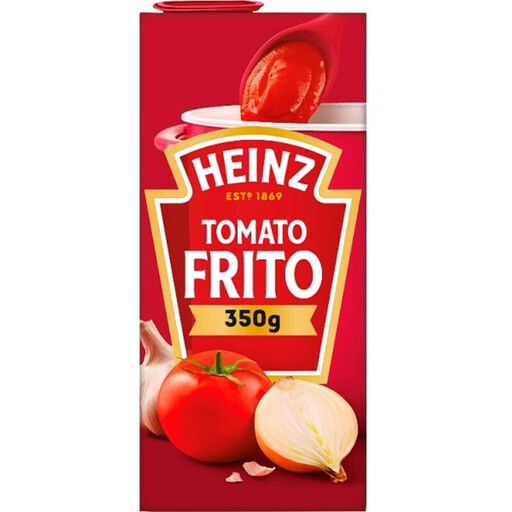
Why it suits this profile: A versatile tomato sauce for pasta, lasagne, curry, pizza and rice dishes. A handy store-cupboard staple to start with.
Its uses are clearly described, and the 350 g pack means you don’t have to buy a large quantity straight away.
350 g; suitable for a range of everyday dishes; listed as gluten-free in the product information.
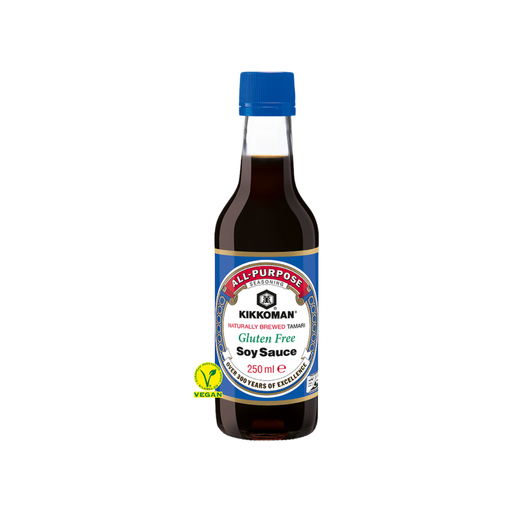
Why it suits this profile: A good choice if you’re looking for a tamari sauce for stir-fries, marinades and dips, and want to check whether it contains gluten.
The product information clearly states that it is positioned as gluten-free. Still, always check the current packaging and allergen information.
250 ml; made with soya beans; suitable for seasoning and dips; soya is still listed as an allergen.
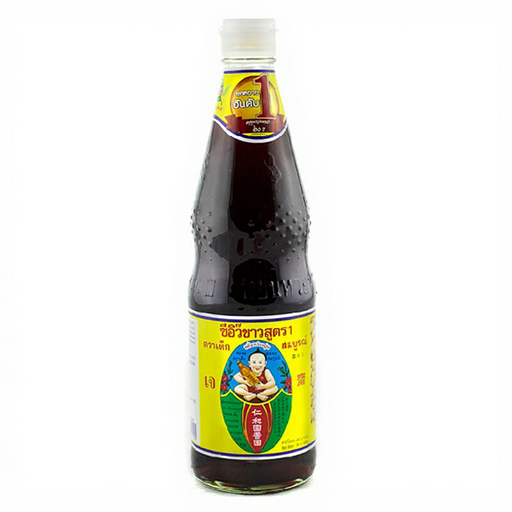
Why it suits this profile: The generous size suits home cooks who often make stir-fries, marinades and soups, or mix up their own dipping sauce.
The pack size is suited to regular use. However, the nutritional information lists a high salt content, so it’s important to use it sparingly.
700 ml; suitable for stir-fries, soups and marinades; contains soya and wheat.
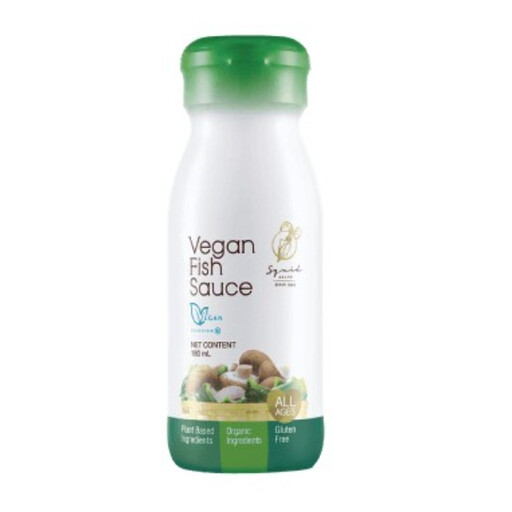
Why it suits this profile: A plant-based alternative to fish sauce for Thai and South-East Asian dishes, salads, dips and stir-fries.
The product description mentions vegan certification and lists the plant-based ingredients. Check the packaging when you buy it.
180 ml; made with kombu and shiitake extract; listed as vegan and gluten-free in the product information.
We’ve put together a complete, up-to-date list of products that meet these strict selection criteria and the current European safety regulations.
It depends on the flavour you’re after. Light soy sauce adds saltiness and umami, dark soy sauce brings colour and sweetness, and vegan fish sauce works well in plant-based Thai dishes. Add sauces gradually and taste before adding extra salt.
It varies from product to product. Store an opened bottle or jar according to the label. Some sauces can be kept in a cool, dark place, while dressings need to be refrigerated after opening. You could note the date you opened it, and keep an eye on the smell, colour and texture.
Don’t just check the front of the pack. Read the full ingredients list, allergen information and nutritional values. “Vegan” doesn’t tell you anything about the salt content, and “no added sugar” doesn’t automatically mean the product contains no sugars.
