
Vandaag of morgen in huis

Kwaliteit gegarandeerd

Welkomstaanbiedingen ontgrendelen: GRATIS bezorging | Tot 80% korting | Gratis 30 dagen JoyPlus-proefperiode
Download de app
When you search online for Asian sauces, you will quickly come across dozens of bottles with similar labels. One sweet sauce may be intended for dipping, while another is mainly suitable as a marinade. The pack size and allergen information can also make a big difference. By checking the right details, you can avoid ending up with a sauce that sits unused in the fridge.
“Sweet”, “BBQ” or “hot” only gives you a general idea. Sweet and sour sauce often contains tomato, vinegar and sugar, while sweet chilli sauce also contains garlic and red chilli. Teriyaki sauce and yakitori sauce are generally designed to create a glossy coating for meat, vegetables or skewers.
That is why it is important to check the ingredients and suggested uses. A sauce with a high sugar content may be ideal as a glaze, but it can caramelise more quickly or stick to the pan during prolonged cooking.
An 850 ml or 1-litre bottle may seem appealing for a household that cooks stir-fries regularly. If you only use sauce occasionally, a smaller pack may be more practical. Also check the storage instructions after opening. Many products need to be refrigerated or kept tightly sealed.
For restaurants, catering and large families, a bigger size can make sense. In that case, compare the price per 100 ml or 100 g rather than just the total price.
Many Asian sauces contain soya and wheat. This includes kecap manis, hoisin sauce, bulgogi sauce and various teriyaki and yakitori sauces. Other products may contain sesame, peanuts, milk or sulphites.
Always read the current packaging before buying or serving a product. Online product information can change and does not replace the label.
First, choose the dish you want to use the sauce for:
The term “mild” is useful for families who prefer little heat, but also check whether chilli is listed among the ingredients.
A 210 to 300 ml bottle is handy when you want to try different flavours. A size between 500 ml and 1 litre is better suited to regular use or a professional kitchen. Check the dispensing cap, the closure and whether the sauce can be used both cold and hot.
Thick sauces such as kecap manis, hoisin and some yakitori sauces are suitable for brushing. Thinner sauces are easier to mix through noodles, rice or a stir-fry.
Compare the following per 100 g or 100 ml:
Nutritional values are not a quality guarantee, but they do help you compare products objectively.
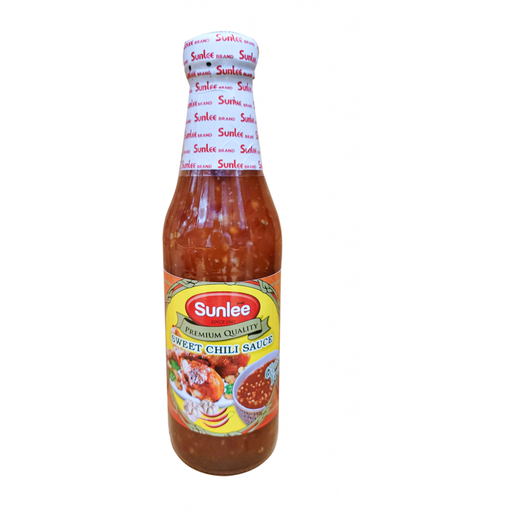
Why it suits this profile: The 300 ml size is manageable for anyone who wants to try several Asian flavours without buying a large bottle straight away. The sauce can be used as a dip, glaze, marinade or dressing.
The product information lists specific uses and a mild level of heat. The ingredients list does not mention any of the 14 major EU allergens.
300 ml; 7.4% chilli according to the ingredients list; suitable for cold and hot use.
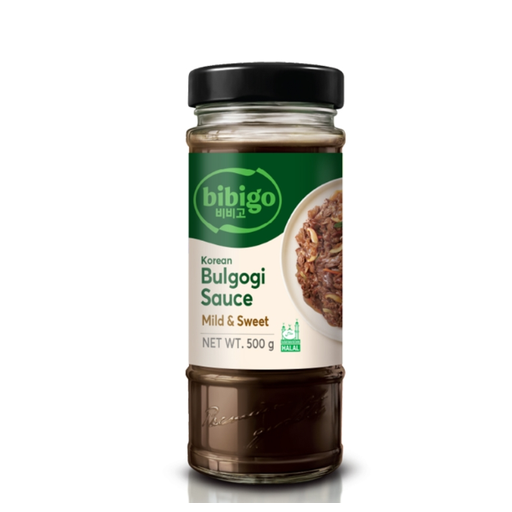
Why it suits this profile: According to the product description, this Korean marinade combines soya sauce, garlic, onion, Korean pear and apple purée. It is a good choice for home cooks looking for a mild and sweet Korean BBQ flavour.
The flavour is not described simply as “BBQ”: the listed ingredients and uses make it clear what the sauce is intended for. Soya, wheat and sesame are listed as allergens.
500 g; suitable for marinating, grilling and stir-frying; mild and sweet according to the product description.
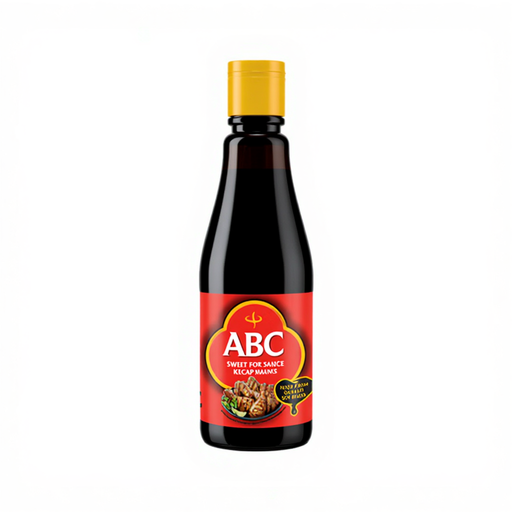
Why it suits this profile: This thick Indonesian kecap manis is designed for frequent use in marinades, stir-fries and dips. The 600 ml bottle is enough for several meals at home or in a small professional kitchen.
The size is large enough for regular use, but smaller than a 1-litre pack. The ingredients list soya, wheat and sulphites, so you can check these in advance.
600 ml; thick texture; suitable for marinating, stir-frying and dipping; Indonesian style.
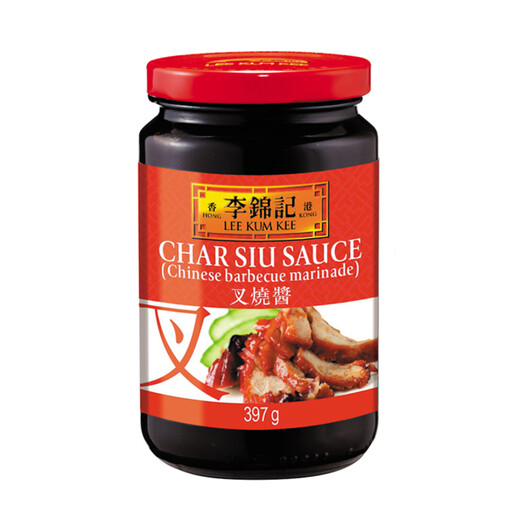
Why it suits this profile: According to the product information, this ready-to-use char siu sauce is designed for marinating and glazing meat. It can be used in the oven, air fryer, on the barbecue or in a frying pan.
The packaging gives a specific guideline: 70 to 100 g of sauce for 500 g of pork. The ingredients and allergens are clearly specified; soya and wheat are present.
397 g; ready to use as a marinade and glaze; suitable for several cooking methods.
We have put together a complete, up-to-date list of products that fully meet these strict selection criteria and the applicable European safety regulations.
Store opened bottles according to the label. Many sauces need to be refrigerated after opening; others can be kept at room temperature temporarily if they are tightly sealed. Use a clean spoon or dispensing cap, and prevent food residue from getting into the bottle.
When stir-frying or grilling, it is best to add sweet sauces towards the end. This helps preserve their distinct flavour and reduces the risk of burning. For a quick meal, mix a small amount of sauce with vegetables, noodles, rice or chicken. When using a marinade, follow the preparation instructions on the packaging and make sure the meat is cooked through.
A mild sweet chilli sauce is versatile as a dip and marinade. If you prefer a savoury flavour, you could start with kecap manis or a mild bulgogi sauce. Always check the desired level of heat and the allergens.
This varies from one product to another. Check the label for the shelf life after opening, the storage temperature and any guidance on how long the product can be kept once opened. Smell, colour and texture can also indicate that a product is no longer suitable for use; if in doubt, follow the manufacturer’s information.
Not always. Divide the price by the number of millilitres or grams and estimate how much you are likely to use. For restaurants or frequent home cooks, 850 ml or 1 litre may be practical. For occasional use, a smaller bottle reduces the risk of waste.
