
Vandaag of morgen in huis

Kwaliteit gegarandeerd

Welkomstaanbiedingen ontgrendelen: GRATIS bezorging | Tot 80% korting | Gratis 30 dagen JoyPlus-proefperiode
Download de app
A bottle of Asian sauce often seems like a simple purchase. Yet Chinese sauces, Thai sauces, stir-fry sauce, chilli sauce and marinade sauce differ greatly in flavour, texture, allergens and usage. A sweet sauce can quickly overpower a dish, while a salty sauce is less suitable as a dip. And a large bottle isn't automatically good value if you only use the sauce occasionally.
With this practical buying guide, you can compare Asian sauces based on ingredients, size and application. This way, you can make a more informed choice for stir-fries, marinades, dips, BBQ or hotpot.
Words like “authentic”, “traditional” or “restaurant-style” don't always describe exactly what you're buying. So always check the ingredients list, origin and usage instructions. An oyster sauce, for example, can vary significantly in its percentage of oyster extract. According to the product information, Maekrua Oyster Sauce contains 30% oyster extract. Lee Kum Kee Panda Oyster Sauce lists 3% oyster extract.
That difference can affect the flavour, texture and suitability for a dish. So treat brand claims about taste or authenticity as product information from the brand, not as a guaranteed result.
Many Asian sauces contain sugar and salt. Healthy Boy Sweet Soy Sauce lists 56 grams of sugars and 4.5 grams of salt per 100 grams. Lee Kum Kee Panda Oyster Sauce lists 29.5 grams of salt per 100 grams. So use such sauces as a seasoning and don't automatically add extra salt or sugar.
Also pay attention to the portion size. A sauce you mix in small amounts through a stir-fry has a different use than a sauce you serve generously as a dip.
A 4.5-litre bottle can be practical for a restaurant, caterer or large family, but inconvenient for occasional use. After opening, you must follow the storage advice. Some products need to be refrigerated after opening, while others can be stored in a cool, dry place according to the product information.
So compare volume, opening advice and expected usage. A bottle of 210 to 450 ml is often more manageable when you want to try several flavours.
Determine what you'll mainly use the sauce for:
Many Asian sauces contain soya and wheat. Oyster sauce also often contains molluscs. Hoisin sauce may contain soya, wheat and sesame. Satay sauce usually contains peanut and may also contain milk, soya or wheat.
Always read the current packaging before use. Product information on a website can change and is not always a substitute for the label. This is especially important if you have allergies, food intolerances or are cooking for guests.
Don't just look at the price of the bottle, but also at the price per 100 ml or 100 grams. A large pack can be good value for daily use, but less suitable if the sauce is used up slowly.
Also check:
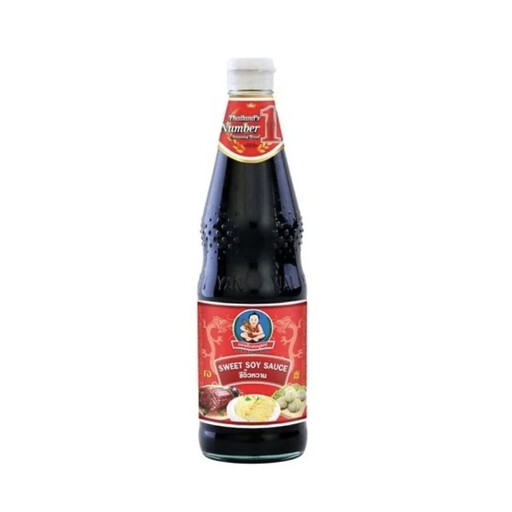
Why this fits the profile: The large bottle is suitable for home cooks who often make stir-fries, noodles or marinades and want one versatile sweet soy sauce.
The 970-gram volume is clearly stated. However, do check the high sugar and salt content and use the sauce sparingly.
Thick texture, sweet flavour and suitable for stir-frying, dips and marinades. Contains soya and wheat.
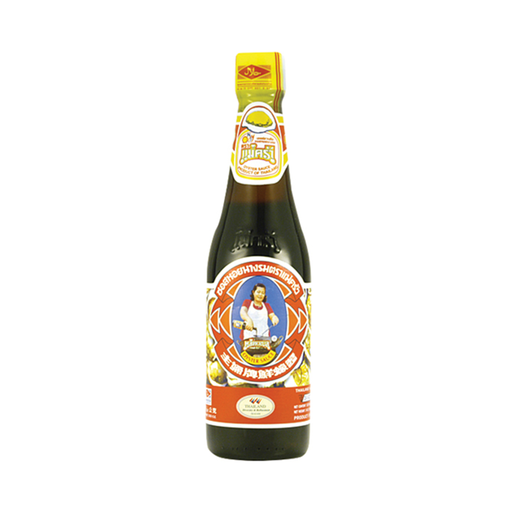
Why this fits the profile: This oyster sauce suits cooks looking for a savoury base for Thai stir-fries, marinades and dips.
The product information states 30% oyster extract. This allows you to compare the content rather than relying solely on the packaging.
600 ml volume and suitable for stir-frying, marinating and dipping. Contains oyster, soya and wheat.
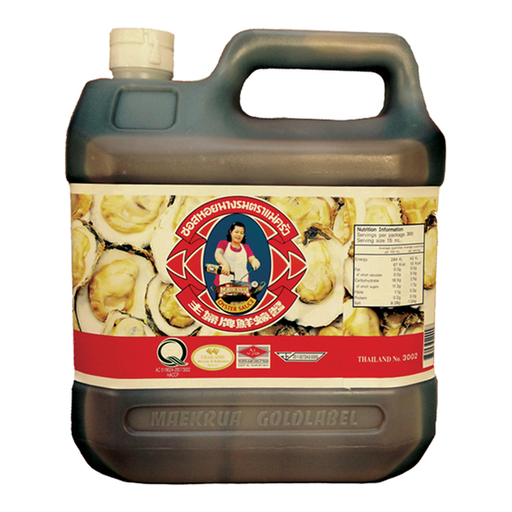
Why this fits the profile: The catering pack is aimed at restaurants, catering businesses, large families and kitchens that use oyster sauce regularly.
The large size avoids having lots of small bottles with heavy use. For occasional use, this pack is less practical.
4.5 litre volume and suitable for stir-fries, marinades and dips. Contains oyster, soya and wheat.
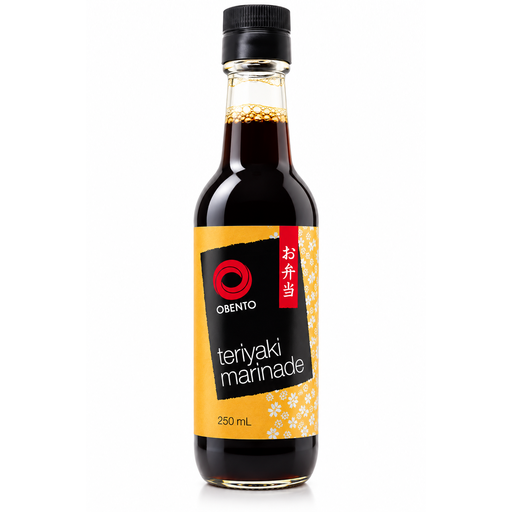
Why this fits the profile: A ready-made teriyaki sauce is handy for chicken, beef, pork, fish or vegetables when you have little preparation time.
The smaller bottle limits waste when you mainly use teriyaki as a marinade or glaze.
Ready to use straight away and suitable as a marinade, glaze, stir-fry sauce or dip. Refrigerate after opening according to the product information.
We've put together a full, up-to-date list of products that fully meet these strict selection criteria and current European safety regulations.
That depends on the flavour you're after. Oyster sauce gives a savoury umami taste, sweet soy sauce adds colour and sweetness, and a ready-made stir-fry sauce often combines several ingredients. Start with a small amount and taste before adding extra salt.
Oyster sauce is generally savoury and is often used as a cooking or stir-fry seasoning. Hoisin sauce is usually sweeter and thicker, and is often used as a dip, marinade or sauce for roasted dishes. Always check the ingredients, as the composition and allergens vary by brand.
This varies by product. Some sauces need to be refrigerated after opening, while others should be kept tightly sealed in a cool, dry place. Check the label for storage conditions and shelf-life information. Do not use a sauce if the packaging is damaged or if the smell, colour or texture has clearly changed.
