
Vandaag of morgen in huis

Kwaliteit gegarandeerd

Welkomstaanbiedingen ontgrendelen: GRATIS bezorging | Tot 80% korting | Gratis 30 dagen JoyPlus-proefperiode
Download de app
When you’re shopping for Asian sauces and flavourings, it’s easy to come across dozens of bottles, jars and sachets labelled “extra hot”, “authentic” or “versatile”. But eye-catching packaging doesn’t tell you whether a product will work with your dishes. Pay particular attention to the ingredients, salt and sugar content, pack size and any allergens.
Home cooks, vegetarians, vegans and food service professionals can all fall into three common traps.
“Extra hot” doesn’t automatically mean a sauce contains lots of chilli or has a complex flavour. Check the percentage of red pepper, as well as the sugar, vinegar, garlic and thickening agents. According to the product information, Red Phoenix Sriracha Extra Hot contains 38% ground red chillies, while other sriracha sauces may have a lower chilli content.
Oyster sauce usually contains oyster extract, so it isn’t suitable for vegetarians or vegans. This includes Maekrua Oyster Sauce, Healthy Boy Thick Oyster Sauce and Lee Kum Kee Panda Brand Oyster Sauce. If you cook plant-based meals, always read the ingredients list. Terms such as “umami” or “stir-fry sauce” don’t tell you where the flavour comes from.
A large bottle might seem like good value, but it’s less practical if you only use the sauce occasionally. Check the nutritional information, too. Oyster sauces and fish sauces are often relatively high in salt. For example, the product information for Thanh Ha Fish Sauce lists 23.3 grams of salt per 100 grams, while Maekrua Oyster Sauce contains 7.6 grams per 100 millilitres. Use small amounts and taste before adding extra salt.
The ingredients list gives you more useful information than marketing claims. Check for:
Recipes can change, so if you have allergies, always check the current label and product packaging.
Asian flavourings don’t all work in the same way:
A sauce that’s ready for dipping often has a different balance of flavours from a paste that needs frying in oil first.
Smaller packs are handy if you want to try an ingredient. Larger sizes are better suited to everyday cooking or professional use. Once opened, follow the storage instructions. Many products should be tightly sealed and kept in a cool, dry place; some need to be refrigerated after opening.
Use a clean spoon and avoid getting moisture into the pack to help keep the sauce or paste in the best possible condition.
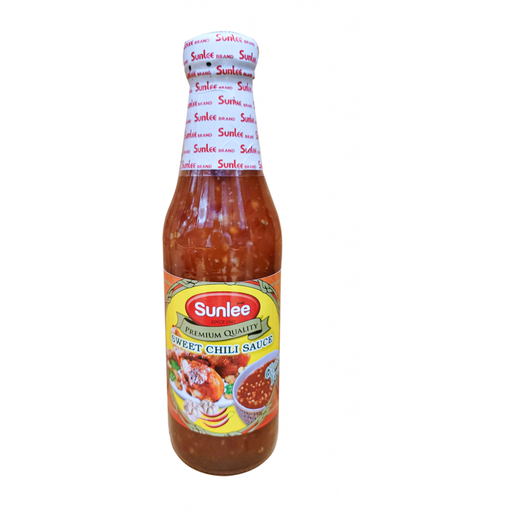
Why it suits this cooking style: Use this sauce straight from the bottle as a dip, marinade or dressing, or add it to a stir-fry. One bottle can bring flavour to a range of simple meals.
The product information clearly lists the ingredients and nutritional profile. Per 100 grams, the sauce contains 4.8 grams of chilli, 48 grams of sugar and 2 grams of salt.
300 ml, ready to use and, according to the product information, free from the 14 major EU allergens.
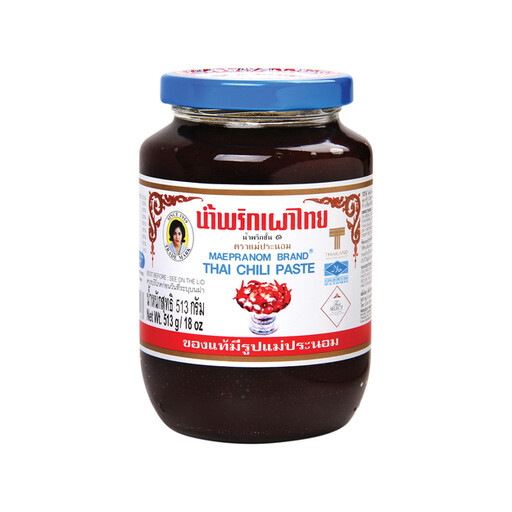
Why it suits this cooking style: According to the product description, this paste combines dried chilli, garlic, onion, dried prawns, tamarind and soya oil. Use it in soups, curries, noodle dishes and dips.
The ingredients are specified, and the product contains 10% dried chilli. That means you can compare the ingredients rather than relying on a claim such as “spicy”.
A generous 513-gram jar with plenty of uses. Contains prawns, so it isn’t suitable for anyone with a crustacean allergy.
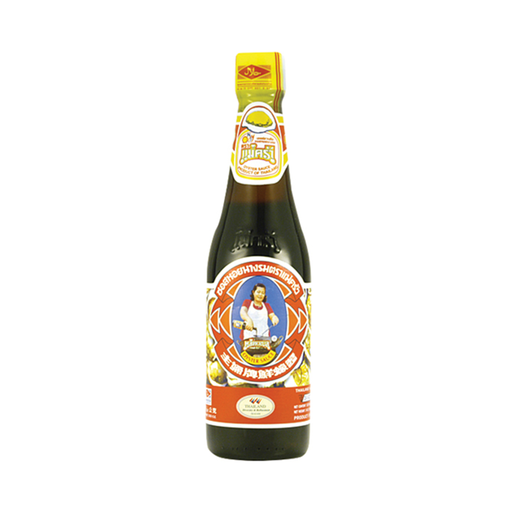
Why it suits this cooking style: The 600 ml size is ideal if you regularly use oyster sauce in stir-fries, marinades and sauces, whether at home or in a professional kitchen.
The product information lists 30% oyster extract, soya and wheat. You can see straight away that this isn’t a plant-based sauce and check for allergens accordingly.
600 ml pack, suitable for stir-fries, marinades and dips. The stated salt content is 7.6 grams per 100 ml.
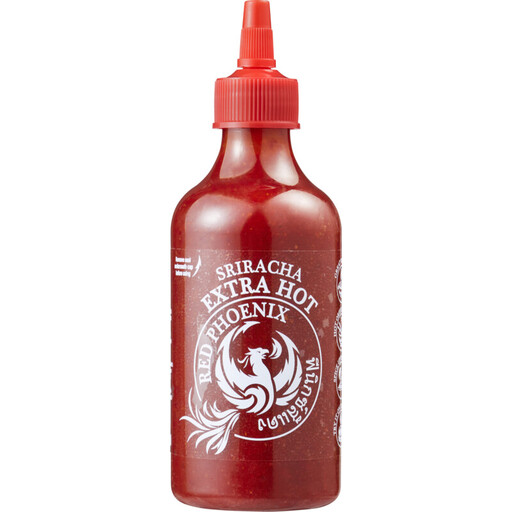
Why it suits this cooking style: The squeezy bottle makes it easy to add just the right amount at the table, or to use the sauce as a dip, in marinades or with stir-fries.
The stated proportion of ground red pepper is 38%. The product information also clearly lists sugar, garlic and vinegar, so you can get a feel for its flavour.
350 ml, 38% red pepper and versatile use. According to the product information, it may contain peanuts.
We’ve put together a complete, up-to-date list of products that meet these strict selection criteria and current European safety requirements.
Sweet chilli sauce is an easy place to start: use it straight from the bottle as a dip, or add it to stir-fries, marinades and dressings. Just keep an eye on the sugar content, as this varies by brand.
It depends on the product. Follow the storage and shelf-life information on the packaging. Seal the bottle or jar tightly, use clean utensils and store the product as directed on the label. If you’re unsure about the smell, colour or texture, it’s best not to use it.
Choose products clearly labelled as vegan and check the ingredients. Oyster sauce, fish sauce and Thai chilli paste containing prawns aren’t vegan. A plant-based curry paste may be suitable, but always check the current product information.
