
Vandaag of morgen in huis

Kwaliteit gegarandeerd

Welkomstaanbiedingen ontgrendelen: GRATIS bezorging | Tot 80% korting | Gratis 30 dagen JoyPlus-proefperiode
Download de app
The aisle for Asian sauces and seasonings can be overwhelming. Dozens of soy sauces, chilli pastes, and marinades promise authentic flavour, but how do you choose the right one? Many home cooks and even professionals fall into the same traps: they buy a generic "stir-fry sauce" that makes every dish taste the same, or they overpay for a bottle that consists mainly of sugar and water.
The result is often disappointing. Your Thai curry lacks depth, your Korean BBQ is too sweet, or you've bought a large bottle of a specific sauce that gets pushed to the back of the cupboard after a single use. This is a waste of your money and your efforts in the kitchen. As a Product Recommendation Officer at Joybuy, I'm here to help you see through the marketing hype and make choices based on what's actually inside the bottle.
Before you grab a bottle off the shelf, there are a few objective specifications that make the difference between a bad purchase and a great find. By paying attention to these, you ensure you're investing in flavour, not fillers.
The authenticity of a sauce often depends on the concentration of its primary ingredient. A good fish sauce, for example, should contain a high percentage of anchovy. Products like Squid Fish Sauce clearly state 77% anchovy on the label. This stands in stark contrast to cheaper alternatives where water and salt are the main ingredients.
The same applies to oyster sauce. A high-quality oyster sauce, like the one from Maekrua, contains a significant percentage of oyster extract (30%). A lower percentage often means the flavour is supplemented with sugar, salt, and thickeners, which compromises the deep umami flavour you're looking for.
Not every sauce is a one-size-fits-all solution. Asian cuisine is incredibly diverse, and each sauce has a specific function.
By matching the sauce to your dish, you'll get much closer to the authentic seasonings you're after.
Many ready-made sauces contain a significant amount of sugar and salt. While these are part of the flavour profile, it's wise to check the nutrition label. Sometimes, a product with less sugar but a higher percentage of primary ingredients can offer a much richer and more complex flavour. This also allows you to better control the sweetness and saltiness of your dish yourself.
To help you get started, we've highlighted a few popular choices and matched them to different cooking styles and needs.
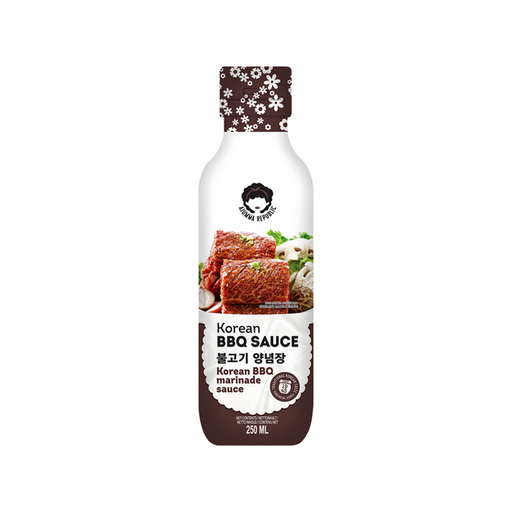
Why This Fits Their Persona: Ideal for anyone who wants to put a flavourful meal on the table quickly. This Korean BBQ sauce is a complete marinade that's perfect for chicken, beef, or vegetables. No need to fuss with mixing ten different ingredients.
This isn't a vague "stir-fry sauce." It's a specific, balanced sauce for a popular dish, yet versatile enough for grilling, stir-frying, and dipping. You're not buying a one-note product.
A ready-to-use marinade that shortens preparation time. The sweet and savoury flavour is approachable and loved by many.
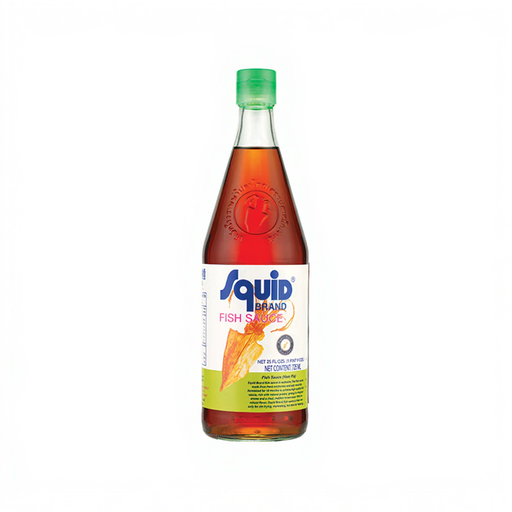
Why This Fits Their Persona: For those who want to bring the true taste of Thai and Vietnamese cuisine into their home. Buying fish sauce is a serious matter, and this brand is a staple in many Asian kitchens. It's a fundamental ingredient, not a luxury add-on.
This product is the antithesis of a watered-down sauce. With 77% anchovy and only two other ingredients (salt and sugar), you're buying pure, concentrated umami flavour.
Delivers a deep, savoury flavour that is essential for curries, soups, and dipping sauces. The large bottle offers excellent value for money for regular use.
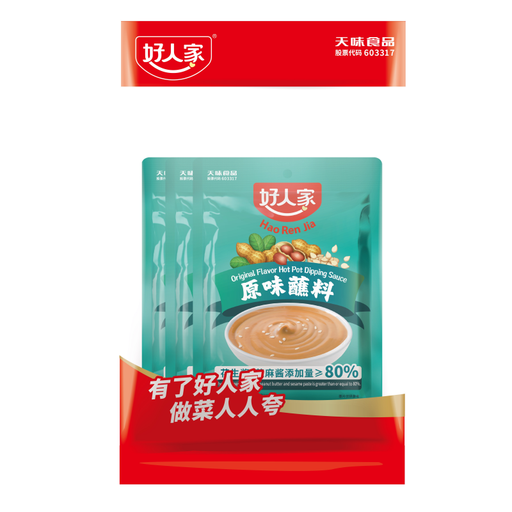
Why This Fits Their Persona: Specifically for fans of Chinese hot pot looking for an authentic, creamy hot pot dipping sauce. This peanut and sesame-based sauce is a classic that completes the meal.
Instead of buying a large jar that quickly loses quality after opening, this package offers three separate portions. This keeps the sauce fresh and prevents waste.
The sauce consists of 80% peanut paste and 20% sesame paste with no added salt, providing a pure and rich nutty flavour. You can add salt, chilli oil, or garlic yourself.
We have compiled a complete, up-to-date list of products that fully meet these strict selection criteria and comply with all regulations.
The shelf life varies greatly by product. Sauces with high salt, sugar, or vinegar content (like soy sauce or fish sauce) can often be kept for months in the refrigerator. Creamy sauces or pastes with fresh ingredients (like curry paste) have a shorter shelf life. The rule of thumb is: always check the label for the recommended storage time after opening, keep the sauce in the fridge, and use your senses. If the colour, smell, or texture changes, it's time to throw it out.
This is a common source of confusion. In general:
If you're just starting with Asian cuisine, you don't need to buy twenty different bottles right away. A good foundation consists of:
With these four seasonings, you can already prepare a wide range of dishes and gradually expand your pantry.
