
Vandaag of morgen in huis

Kwaliteit gegarandeerd

Welkomstaanbiedingen ontgrendelen: GRATIS bezorging | Tot 80% korting | Gratis 30 dagen JoyPlus-proefperiode
Download de app
Anyone buying Asian sauces and spices online will soon come across dozens of bottles, jars and spice mixes featuring terms such as “authentic”, “traditional” or “extra strong”. These words do not always tell you enough about what you will actually receive. A good choice mainly depends on the ingredients, quantity, possible uses and allergen information.
This applies to home cooks who want to make a Thai curry, as well as vegetarians, vegans and anyone looking for soy sauce, oyster sauce, teriyaki sauce or a convenient curry paste for weekday cooking.
A 907-gram bottle may seem attractively priced, but it is only practical if you use oyster sauce regularly. Sauces may need to be refrigerated after opening and can lose their aroma or texture over time. So do not just compare the price. Also check the price per 100 grams or millilitre, the recommended storage method and how much you are likely to use.
A chilli sauce may be primarily sweet, while a curry paste contains more lemongrass, garlic or spices. The word “curry” can also refer to different products: curry powder, a ready-made curry mix, a Japanese curry roux or a Thai curry paste. So check the ingredients list rather than relying solely on the front of the packaging.
Soy sauce often contains soya and wheat. Oyster sauce generally contains molluscs and may also contain soya or wheat. Satay sauce usually contains peanuts. Check the allergen information every time you buy a product, even if you have used it before. For vegan dishes, options might include plant-based satay sauce, ginger and garlic paste or a Thai curry without animal-derived ingredients, but always check the current label.
First decide what you want to use the seasoning for:
Sauces are flavourings and are usually added in small quantities. Even so, nutritional values can vary considerably between products. Lee Kum Kee Panda Oyster Sauce, weighing 255 grams, lists 29.5 grams of salt per 100 grams, while Maekrua Oyster Sauce lists 7.6 grams. These products are not directly interchangeable, so check the label and adjust the quantity while cooking.
For curry mixes, it is also useful to check for flour, sugar, milk ingredients and soya. Honig Chicken Curry Mix contains, among other ingredients, wheat flour, milk, lactose and soya, so it is not suitable for every diet.
A pack of 80 to 100 grams is suitable for occasional use of a spice mix. For a household that often cooks stir-fries or curry, 400 grams of curry paste or 1 litre of soy sauce may be more practical. After opening, follow the instructions:
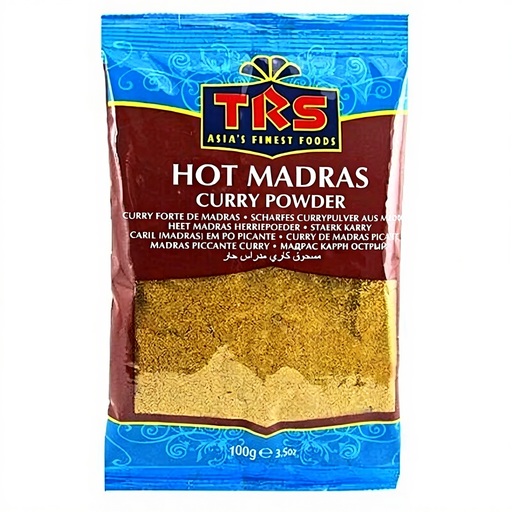
Why it suits this profile: A compact pack for anyone who wants to try Indian spices without immediately building up a large stock. The mix can be used in curry, stews and marinades.
The ingredients are clearly listed, including coriander, turmeric, chilli, cumin and fenugreek. The packaging also states that the product contains mustard.
100 grams; suitable for vegetarians and vegans according to the product information; versatile enough for a range of dishes.
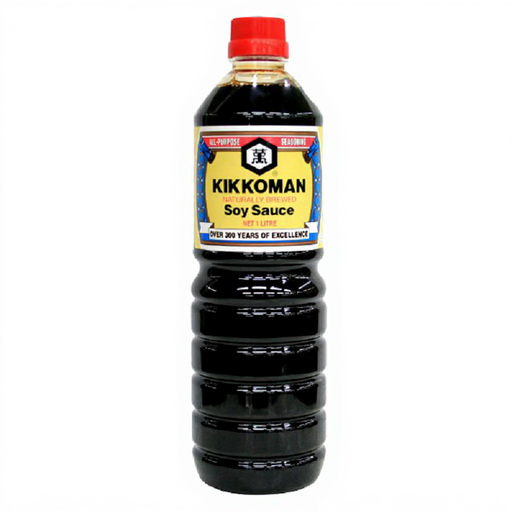
Why it suits this profile: Suitable for cooks who regularly use one versatile soy sauce in stir-fries, marinades, dips and cold salads.
The packaging lists a short ingredients list: water, soya, wheat and salt. This makes it easy to assess the flavour profile.
1 litre; suitable for a range of cooking methods; soya and wheat allergens are clearly indicated.
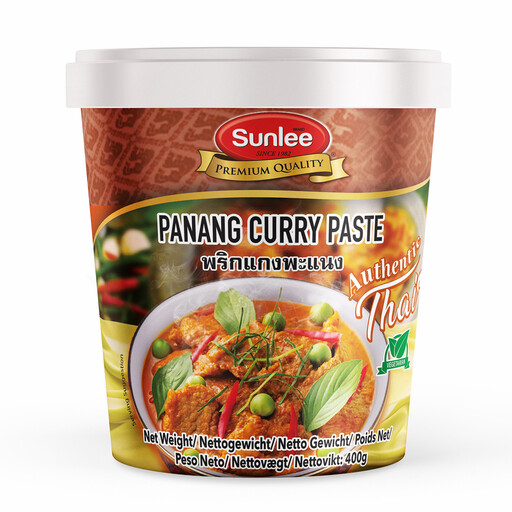
Why it suits this profile: A large jar for anyone who regularly makes Thai curry, stir-fries, soups or marinades and wants a reliable base ingredient in the cupboard.
The product information specifies the flavourings used, including dried chilli, lemongrass, galangal, kaffir lime and coriander seeds. The product contains soya, helping you avoid making the wrong choice based solely on the word “vegan”.
400 grams; described as vegan according to the product information; suitable for curry, soup, stir-fries and marinades.
For Japanese curry, S&B Golden Curry Sauce Mix Mild 220g is a roux mix that can be prepared with water, meat or vegetables, according to the product description. If you cook Surinamese dishes, consider Nandan Hindostaanse Masala 80 g, which contains coriander, turmeric, cumin, fenugreek and ginger, among other ingredients. Pay attention to the listed allergens, including mustard and celery.
For a quick meal, Ajumma Republic Japchae Sauce, Remia Satay Sauce and Ashoka Ginger Garlic Paste are practical additions. Remia satay sauce lists peanuts, soya and lupin and is described as plant-based in the product information. For Balkan dishes, Podravka Ajvar Mild 690g is a roasted pepper spread that can be used as a bread topping, served with grilled dishes or added to hot recipes.
We have put together a complete, up-to-date list of products that fully meet these strict selection criteria and the applicable European safety regulations.
Start with soy sauce, chilli sauce and curry paste or curry powder. With these three flavourings, you can make stir-fries, marinades, noodles, curries and dips. Add oyster sauce, teriyaki sauce or tamarind paste later when you prepare specific recipes.
This varies by product. Dried spices generally remain usable for longer when stored in a dry, cool place in a sealed container. Liquid sauces and pastes may need to be refrigerated after opening. Always follow the instructions on the packaging and check the smell, colour, texture and best-before information.
Products such as TRS Madras Curry Powder Hot, Ashoka Ginger Garlic Paste and Sunlee Panang Curry Paste are listed in the product information as suitable for vegetarians or vegans. Even so, check the current label, as recipes, allergen information and product details can change. Oyster sauce, fish sauce and many ready-made curries are not automatically plant-based.
