
Vandaag of morgen in huis

Kwaliteit gegarandeerd

Welkomstaanbiedingen ontgrendelen: GRATIS bezorging | Tot 80% korting | Gratis 30 dagen JoyPlus-proefperiode
Download de app
When you buy Asian sauces and seasonings, you quickly come across dozens of jars, bottles and seasoning mixes labelled “authentic”, “traditional” and “mild”. These terms do not always tell you enough about what is inside. For home cooks in the Netherlands, the most important factors are how the product is used, its ingredients, quantity and allergen information.
With the right basics, it is easier to prepare Korean, Japanese, Thai and Chinese dishes. Think gochujang, teriyaki sauce, bulgogi marinade, curry paste, satay sauce, tamarind paste and Chinese seasoning mixes. Below, you can find out what to look for and which options suit different cooking styles.
A product may promise an authentic flavour on the packaging, but that does not automatically mean the sauce is spicy, sweet, salty or suitable for every dish. Gochujang, for example, often contains both chilli and sweetening ingredients. As a result, two jars with the same product name can differ noticeably in flavour intensity.
So check:
A 700 or 810-gram bottle may seem appealing for families, but it is less suitable if you only use a sauce occasionally. Once opened, you should follow the storage instructions. Some products need to be refrigerated or used within a specific period.
Compare the price per 100 grams or millilitres, not just the pack price. A smaller jar may be more practical if you do not cook often or want to try several flavours.
Many Korean sauces, Japanese sauces and Thai flavourings contain soya, wheat, sesame, peanuts or shellfish. This also applies to products that appear to be mainly seasoning mixes. Always check the current label. Online product information may differ from the packaging.
Pay particular attention to:
First decide what you want to use the seasoning for. A bulgogi marinade is intended to flavour meat, chicken or vegetables. A seasoning mix for stews works differently, releasing its aroma during longer cooking.
Ready-made sauces are convenient for a quick meal. For greater control, you can choose individual ingredients such as tamarind paste, gochujang or Thai curry paste. This allows you to decide how much acidity, sweetness, saltiness and heat to add.
Nutritional values make products easier to compare. Pay particular attention to:
A high salt or sugar content does not mean you cannot use the product. It does help you adjust the quantity in a dish and avoid automatically adding extra salt or sugar.
A squeezy or pourable bottle is convenient for marinading and stir-frying. A jar is often more practical for thick pastes such as gochujang or curry paste. A shaker is suitable for sprinkling dry rubs over potatoes, chicken or vegetables.
Also check:
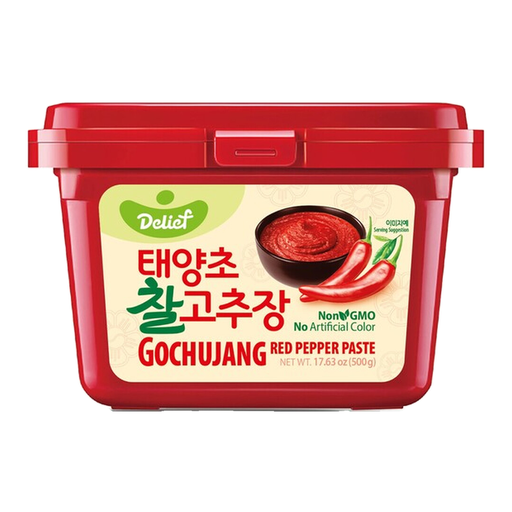
Why it suits this profile: The 500-gram jar can be used for sauces, marinades, stews and stir-fries. This means you do not need to buy a separate sauce for every dish.
The product information clearly lists its uses and allergens. According to the ingredients list, it contains soya and wheat; always check the physical label.
500 g quantity; suitable for dips, soups, stews, marinades and stir-fries.
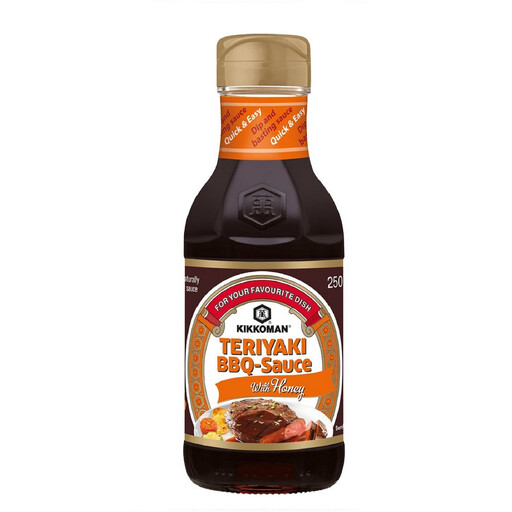
Why it suits this profile: According to the product description, this Japanese sauce is intended for marinading, cooking, dipping and finishing. The 250 ml quantity is suitable for targeted use without building up a large stock.
The uses are described broadly, and the product information lists soya and wheat as allergens. This makes it easier to assess whether the sauce is right for you.
250 ml; suitable as a marinade, cooking sauce, dipping sauce and glaze; nutritional information available.
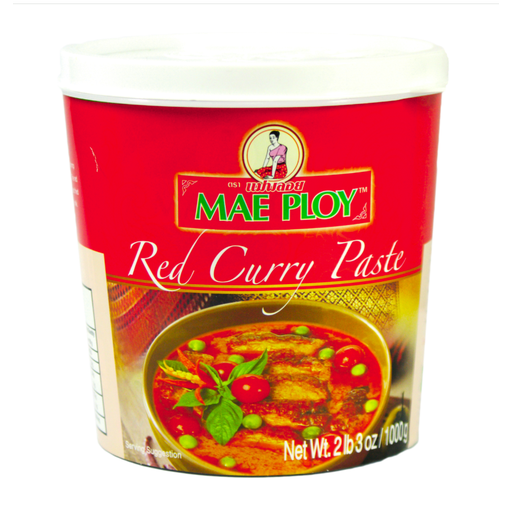
Why it suits this profile: The 1 kg pack is ideal if you regularly make Thai curries, soups or marinades and want to keep a reliable staple in your cupboard.
The product information explicitly states that the curry paste can be spicy. It also states that it contains shrimp, helping you avoid the wrong choice if you have a shellfish allergy.
1 kg quantity; suitable for curries, soups and marinades; contains ingredients including chilli, garlic, lemongrass and galangal.
For a sweet and savoury Korean BBQ flavour, consider Bibigo Bulgogi Sauce Mild & Sweet - 500 g. The product information lists ingredients including soya sauce, garlic, onion, apple purée and Korean pear purée. For a milder preparation, O’Food Korean BBQ Galbi Marinade and Chung Jung One Korean Sauce & Marinade are also worth comparing.
If you are looking for a tart, fruity note, Thai Dancer Tamarind Paste 435ml can be used in curries, dips, sauces and marinades. The ingredients list states tamarind pulp and water. For Chinese dishes, Zhanyi Aromatic Braising Seasoning Mix 150g and Haidilao Pickled Cabbage Fish Seasoning 360g are intended for stews and Sichuan-style fish dishes respectively.
For a Dutch meal with satay sauce, Remia Satay Sauce - 325 g is a practical choice. According to the product information, this sauce is plant-based and gluten-free, but it does contain peanuts, soya and lupin. Check the current label before serving.
We have put together a complete, up-to-date list of products that fully meet these strict selection criteria and the applicable European safety regulations.
Start with one versatile sauce and one paste. Teriyaki sauce works well with chicken, vegetables, rice and stir-fries. Gochujang is suitable for Korean dips, marinades and stews. Add tamarind paste, curry paste or a Chinese seasoning mix later when you want to prepare specific recipes.
Always follow the instructions on the packaging. Keep an opened bottle or jar tightly closed and refrigerate the product if instructed to do so. Use a clean spoon with thick pastes and check the smell, colour and consistency before using the product again.
It depends on the packaging and how you use the product. A large bottle may offer better value per 100 ml if you cook often. For occasional use, a smaller pack is usually more practical. Compare both the price per quantity and the recommended use, so you do not buy a product that ends up sitting unused in the cupboard.
