
Vandaag of morgen in huis

Kwaliteit gegarandeerd

Welkomstaanbiedingen ontgrendelen: GRATIS bezorging | Tot 80% korting | Gratis 30 dagen JoyPlus-proefperiode
Download de app
Buying a bottle of Asian sauce might seem straightforward – until you have to choose between chilli sauce, sambal, hoisin sauce, garlic sauce and a Korean or Chinese sauce. The labels often use the same words: sweet, spicy, versatile and authentic. Yet the flavour, ingredients and uses can vary significantly.
Watch out for these three common pitfalls:
Ingredients are listed in descending order by quantity. If sugar or water appears first, it’s usually a sweet or thinner sauce. For a spicy sauce, the percentage of chilli tells you more than the picture on the label.
A few examples:
Not every sauce works well for the same purpose.
A thick sauce, such as hoisin, clings better to meat, tofu or vegetables. A thinner chilli sauce is more practical as a table sauce or for adding to a dressing.
Many Asian sauces contain soya, wheat or sesame. Hoisin sauce, for example, is often made with fermented soya beans and wheat. Yeo’s Hoi Sin Sauce also lists sesame as an allergen. Sambal can sometimes contain shellfish: Conimex Sambal Badjak includes shrimp powder according to the product information.
Once opened, many sauces need to be stored in the fridge. The time frame varies by product. For instance, Jixiangju Mushroom Sauce Spicy states that the jar must be refrigerated after opening and used within two weeks. Always check the label on the pack you receive, as best-before and storage advice can change.
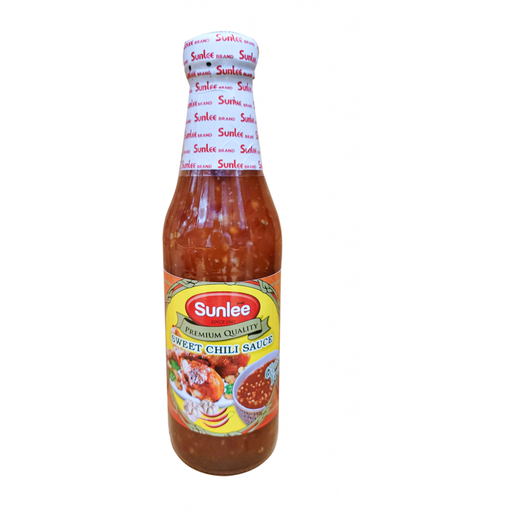
Why it suits this profile: The mild sweet-spicy flavour is accessible for anyone starting to cook Asian dishes at home. Use it as a dipping sauce, marinade, glaze or addition to stir-fries.
The 300 ml pack stops you from buying a large stock straight away. The product specification also lists clear uses and a short ingredients list.
300 ml content; 2 g salt per 100 g; suitable for dipping, marinating, stir-frying and dressings.
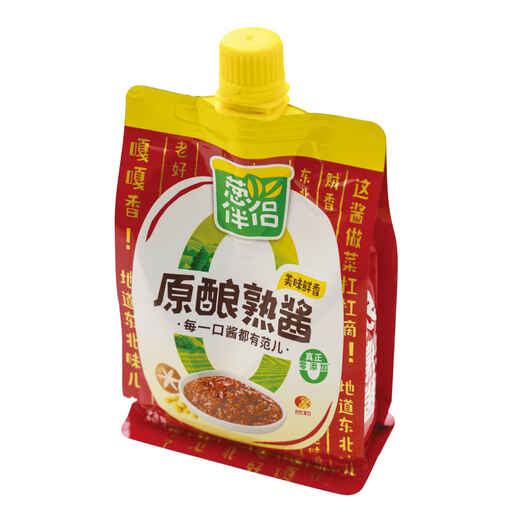
Why it suits this profile: Anyone looking for a deep savoury flavour can use this fermented sauce in cold dishes, noodles, dips and stir-fries.
The product specification mentions 90 days of fermentation and a list of five mushrooms. This lets you judge the flavour profile better than relying on the packaging alone.
450 g content; five named mushroom varieties; suitable for dipping, noodles, cold dishes and stir-frying.
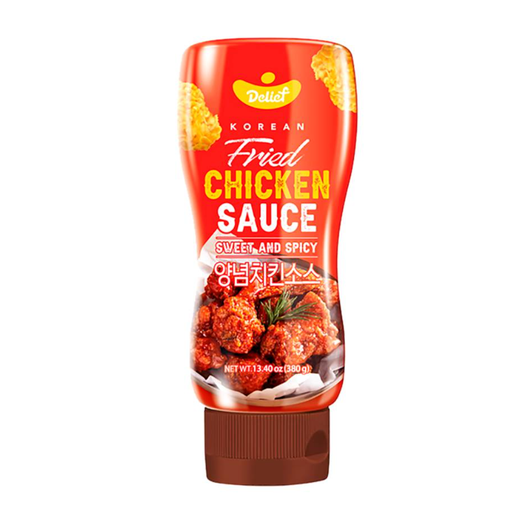
Why it suits this profile: This Korean sauce is designed for coating, dipping and marinating. Its thicker texture suits fried chicken and other dishes where the sauce needs to cling.
The intended use and texture are clearly described. So you’re not buying a generic chilli sauce when you specifically want a sauce for Korean chicken or marinades.
380 g content; thick consistency; suitable for coating, dipping and marinating; contains soya and gluten according to the label.
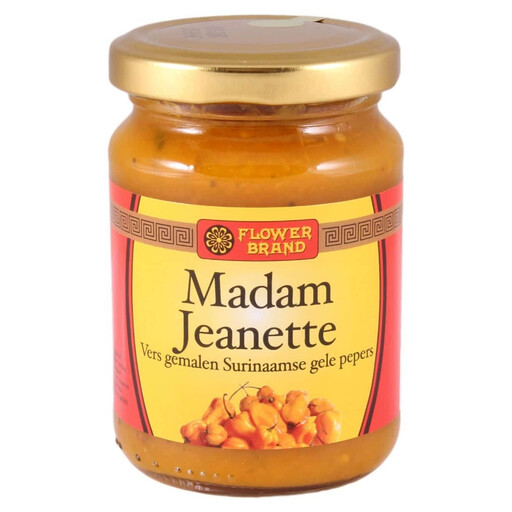
Why it suits this profile: This Indonesian sambal is designed for users who want a powerful pepper base and prefer to control the amount per meal.
The label states the proportion of Madam Jeanette peppers and contains no sugar in the ingredients list. This makes the flavour direction clearer than with a sweet chilli sauce.
200 g content; 92% Madam Jeanette according to the product information; none of the 14 major EU allergens listed.
We’ve put together a full, up-to-date list of products that fully meet these strict selection criteria and comply with current European safety regulations.
When using a marinade that contains sugar, pay attention to the cooking temperature. You may want to brush a sweet sauce onto meat, tofu or vegetables later in the cooking process to prevent burning. If you have a shellfish allergy, be extra careful with sambal that contains shrimp powder or dried shrimp.
A mild sweet chilli sauce is usually a practical starting point. It can be used straight away as a dipping sauce and also works in marinades, dressings and stir-fries. Do check the sugar content if you’re looking for a less sweet flavour.
This varies by product. Many sauces need to be stored in the fridge after opening. Check the packaging for the recommended time; Jixiangju Mushroom Sauce Spicy, for example, states use within two weeks of opening. Do not use any product where the packaging is damaged or the smell, colour or texture has clearly changed.
Sambal is generally more concentrated and is often added in small amounts as a seasoning. Chilli sauce is usually more liquid and can be sweeter, milder or more suitable as a table sauce. The exact flavour depends on the type of chilli, sugar, vinegar, garlic and other ingredients.
