
Vandaag of morgen in huis

Kwaliteit gegarandeerd

Welkomstaanbiedingen ontgrendelen: GRATIS bezorging | Tot 80% korting | Gratis 30 dagen JoyPlus-proefperiode
Download de app
A bottle of Asian sauce can seem like a straightforward purchase. Yet the shelves are packed with varieties that sound similar but taste and behave very differently. Pick the wrong one, and you could end up with an overly salty stir-fry, a sauce that’s mostly sweet, or a jar that sits in the fridge after just one recipe.
The most common pitfalls:
First, decide what you need the sauce for. A stir-fry sauce should mix easily with vegetables, meat, tofu or noodles. A marinade can be thicker and needs to cling to the food. A dipping sauce is often ready to use straight away.
Also check whether the product is ready to eat. Some seasonings are usable straight away, while a curry or seasoning paste needs to be fried first to release its aroma.
The ingredients list tells you more than the front of the packaging. Pay attention to the order: ingredients listed first are present in the largest quantity. With LEE KUM KEE Premium Dark Soy Sauce, for example, the base consists of soy sauce with water, salt, soybeans and wheat flour, plus colouring, sugar and flavour enhancer.
If you have an allergy, always check the label. Many Chinese sauces contain:
A vegetarian oyster sauce is typically made with mushrooms instead of oyster extract. That doesn’t automatically mean the sauce is gluten-free: also check the soy sauce and wheat used.
Compare the nutritional values per 100 grams or 100 millilitres. That makes different packs easier to compare. Some oyster sauces, for instance, have a high salt content, while a sweet and sour sauce contains relatively more sugar.
Also pay attention to:
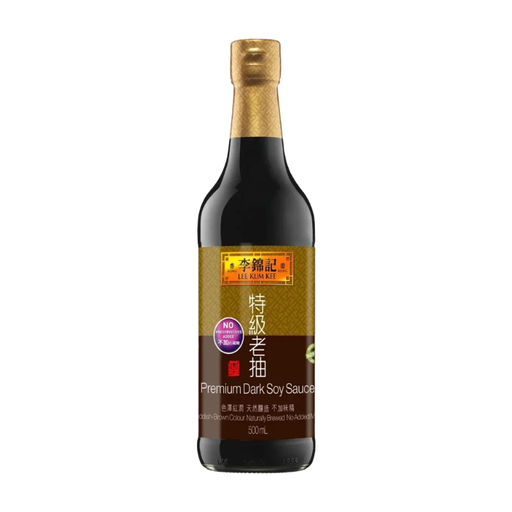
Why it fits this profile: A versatile base for marinades, braised dishes and recipes where extra colour is desired.
The product description clearly states that this dark soy sauce should be used sparingly for colour and depth of flavour.
500 ml net weight; suitable for marinades and braised dishes; sourced from China according to the product information.
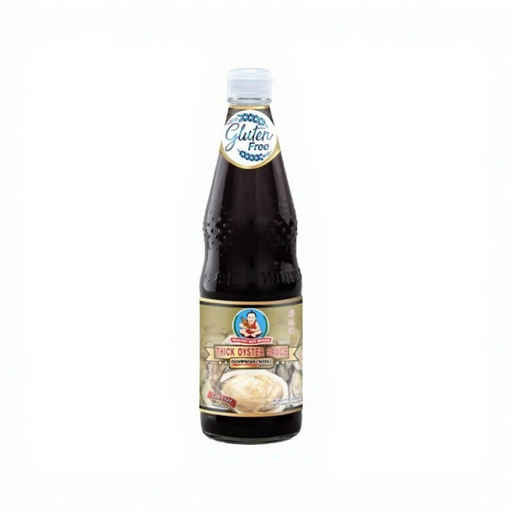
Why it fits this profile: The large pack suits households that stir-fry often and use oyster sauce as a regular seasoning.
The ingredients list specifies 20% oyster extract. This allows you to compare the product based on verifiable information.
815 g net weight; intended for stir-frying and marinating; contains 10.4 g salt per 100 g according to the label.
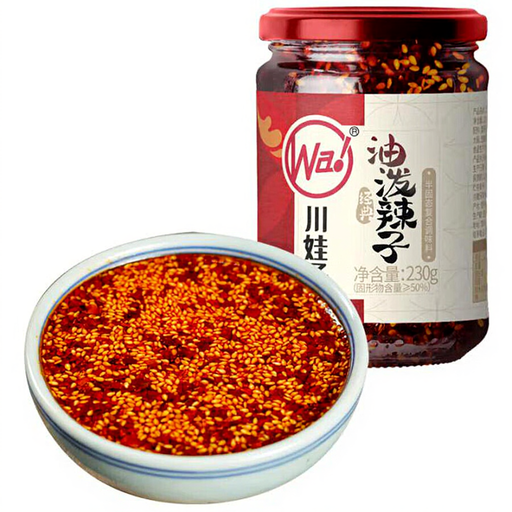
Why it fits this profile: Aimed at fans of Sichuan flavours who want to add heat and aroma to noodles, dumplings, salads or stir-fries.
The product information lists chilli, Sichuan pepper, sesame and peanut. The flavour direction and allergens are therefore clear upfront.
230 g; at least 15% chilli according to the product listing; suitable as a topping, dressing base and stir-fry addition.
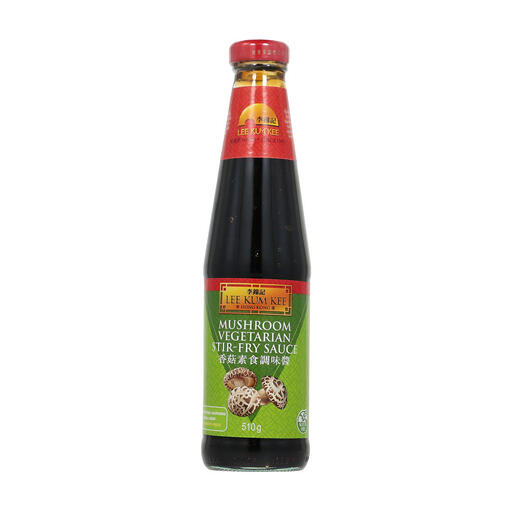
Why it fits this profile: According to the product description, this sauce is made with mushrooms and intended for vegetables, tofu, noodles and stir-fries.
The product name and ingredients make it clear that this is a vegetarian mushroom variant. The label does list soya and wheat as allergens.
510 g; ready to use; suitable for stir-frying, braising, dipping and dishes with tofu.
Start with one tablespoon and add more later. This is especially important with highly concentrated sauces, such as oyster sauce or Chinese seasoning paste. If needed, balance a salty sauce with water, stock, rice vinegar or lime juice. A sweet sauce can be thinned with soy sauce, ginger, garlic or chilli.
For a quick stir-fry sauce, you could combine soy sauce with a small amount of oyster sauce, rice vinegar and sesame oil. For Sichuan dishes, add Sichuan chilli oil after cooking so the aroma stays recognisable. With Thai curry, a Thai curry paste usually works together with coconut milk; check the allergens beforehand, as some varieties contain shrimp paste.
We’ve put together a full, up-to-date list of products that fully meet these strict selection criteria and comply with current European safety regulations.
Start with a regular soy sauce, an oyster sauce or vegetarian oyster sauce, and a sweet and sour or hoisin sauce. With these, you can prepare stir-fries, marinades, dips and noodles without needing lots of separate ingredients.
It varies by product. Follow the storage advice on the label. Many opened oyster sauces, hoisin sauces and stir-fry sauce varieties need to be refrigerated. Close the bottle or jar tightly and always use clean utensils.
Soy sauce is generally thinner and saltier, and is used as a base for seasoning, marinades and dips. Oyster sauce is usually thicker and combines saltiness, sweetness and umami. According to the product information, oyster sauce often contains oyster extract; if you follow a vegetarian diet, choose a mushroom-based variant and check the label for soya and wheat.
