
Vandaag of morgen in huis

Kwaliteit gegarandeerd

Welkomstaanbiedingen ontgrendelen: GRATIS bezorging | Tot 80% korting | Gratis 30 dagen JoyPlus-proefperiode
Download de app
Buying a bottle of Asian sauce might seem straightforward – until you’re standing in front of the shelf faced with soy sauce, chilli sauce, stir-fry sauce, sweet and sour sauce, and various options from China, Japan and Indonesia. A sauce that looks appealing on the shelf can turn out to be too salty, too sweet, or simply unsuitable for your dish.
For home cooks, vegetarians, vegans and fans of Asian flavours, these three pitfalls are particularly important:
Think about whether you want to use the sauce as a marinade and dipping sauce, as a base for stir-fry sauces, or as a finishing touch at the table.
A teriyaki sauce alternative could, for example, be made from light soy sauce, rice vinegar, ginger and a small amount of sugar. The flavour and thickness will differ from a ready-made teriyaki sauce, though.
Look at the ingredients list before you order. The Lee Kum Kee Premium Light Soy Sauce lists water, defatted soya beans, wheat, salt, sugar and yeast extract among its ingredients. This product therefore contains soya and gluten-containing cereals.
Even with a vegetarian Asian sauce, it’s important to look beyond the name. According to the product description, Lee Kum Kee Vegetarian Oyster Flavour Sauce is made without oysters and contains soya extract and mushroom extract, among other ingredients. If you follow a vegan diet, always check the current packaging and allergen information.
Also look out for added flavour enhancers. The Minced Garlic Sauce and Spicy Black Bean Sauce, for example, list monosodium glutamate in the ingredients. That’s not a reason to automatically dismiss a product, but it is information you can consciously factor into your decision.
Asian sauces are often used in small quantities, but the nutritional values can vary widely. According to the product information, the Premium Light Soy Sauce contains 18 grams of salt per 100 ml. Kikkoman Less Salt Soy Sauce states it has 43% less salt than the regular version from the same brand; check the current packaging for this too.
For sweet sauces, the sugar content is relevant. According to the stated nutritional information, Lee Kum Kee Sweet & Sour Sauce contains 31 grams of sugar per 100 grams. The Char Siu Sauce lists 54 grams of sugar per 100 grams. That fits with its use as a sweet marinade or glaze, but makes these sauces less suitable if you’re looking for a less sweet flavour.
Finally, compare the volume:
Once opened, many products need to be stored in the fridge. Always follow the instructions on the packaging and do not use a sauce if the packaging is damaged.
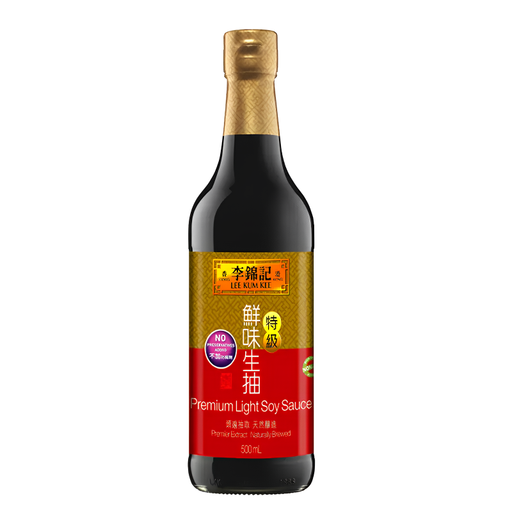
Why this fits the profile: A staple product for anyone who wants to make stir-fries, marinades and dips with just one bottle. The 500 ml volume is practical for regular use.
The product information lists ingredients, allergens and nutritional values. This means you can factor in the high salt content of 18 grams per 100 ml before you start cooking.
500 ml volume; suitable for dipping, marinating and cooking; made with soya beans and wheat according to the product description.
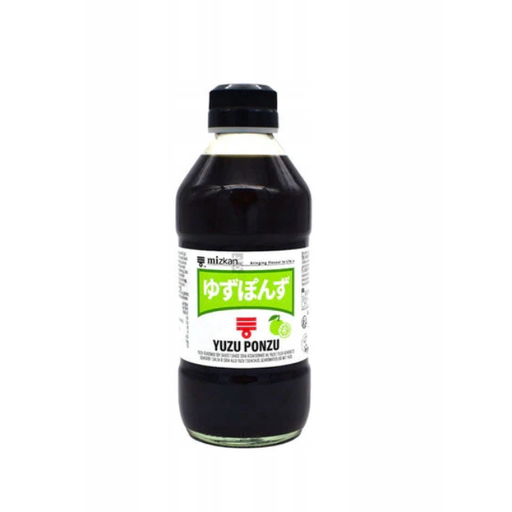
Why this fits the profile: For anyone looking for a Japanese sauce with citrus and umami rather than just sweetness or heat.
The composition states 4% yuzu juice and 26% soy sauce. So you know it’s a citrus-rich ponzu, not a general stir-fry sauce.
Japanese style; yuzu, lime and orange in the composition; usable as a dip or fresh flavour enhancer.
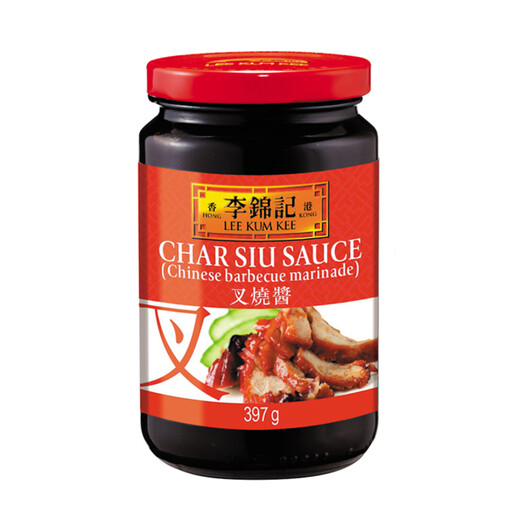
Why this fits the profile: Designed for marinating, roasting, air-frying and grilling. According to the product information, the sauce is intended as a marinade and glaze for char siu and other preparations.
The usage instructions recommend 70 to 100 grams of sauce per 500 grams of pork. That gives you more guidance than a general claim about versatility.
397 gram volume; suitable for marinating and glazing; contains soya and wheat, clearly listed as allergens.
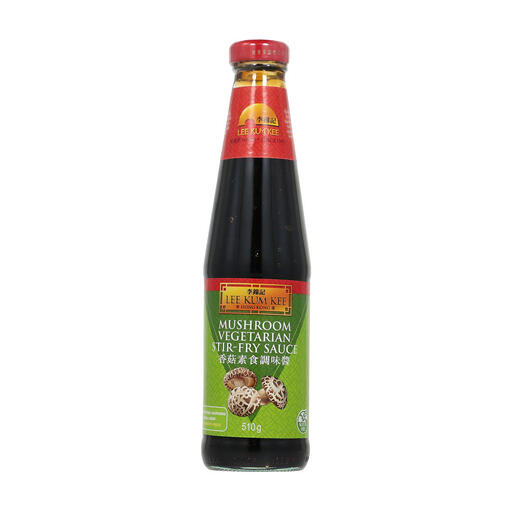
Why this fits the profile: A generous-sized bottle for stir-frying with vegetables, tofu and noodles. According to the product description, the sauce contains no animal ingredients.
The ingredients list mentions mushroom extract, soya and wheat. Check these details again on the label if you follow a strict vegan or gluten-free diet.
510 gram volume; suitable for stir-frying, braising and dipping; plant-based flavour base according to the product description.
We’ve put together a full, up-to-date list of products that fully meet these strict selection criteria and comply with current European safety regulations.
That depends on the flavour profile you’re after. Light soy sauce adds saltiness and umami. Black bean sauce gives a fermented, savoury taste. A vegetarian mushroom sauce works well with vegetables, tofu and noodles. Add the sauce gradually, as many varieties already contain relatively high levels of salt.
Light soy sauce is usually thinner and saltier, and is used for seasoning. Dark soy sauce is typically darker, slightly sweeter, and intended to add colour and depth to stews and marinades. According to the product information, Lee Kum Kee Premium Dark Soy Sauce contains 12 grams of salt and 10 grams of sugar per 100 ml. So use this variety sparingly.
Follow the instructions on the label. Many sauces need to be refrigerated after opening and used within the recommended period. Seal the bottle or jar tightly and always use clean utensils. Also check the best-before date and the packaging before you buy, especially if you’re purchasing a large volume.
